On War
1832
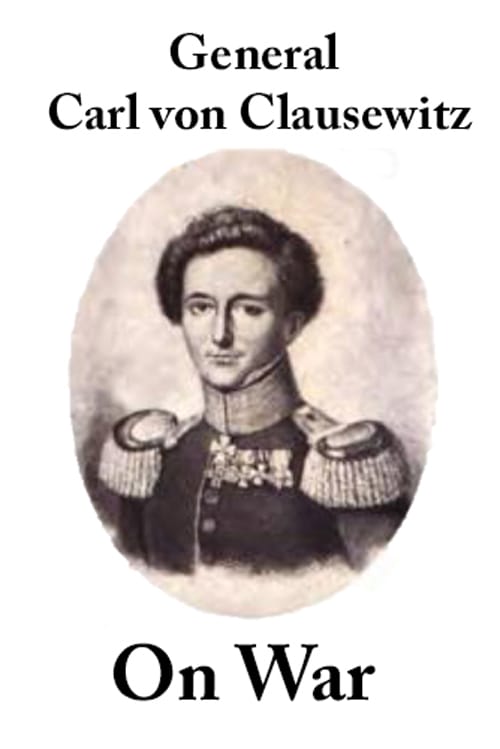
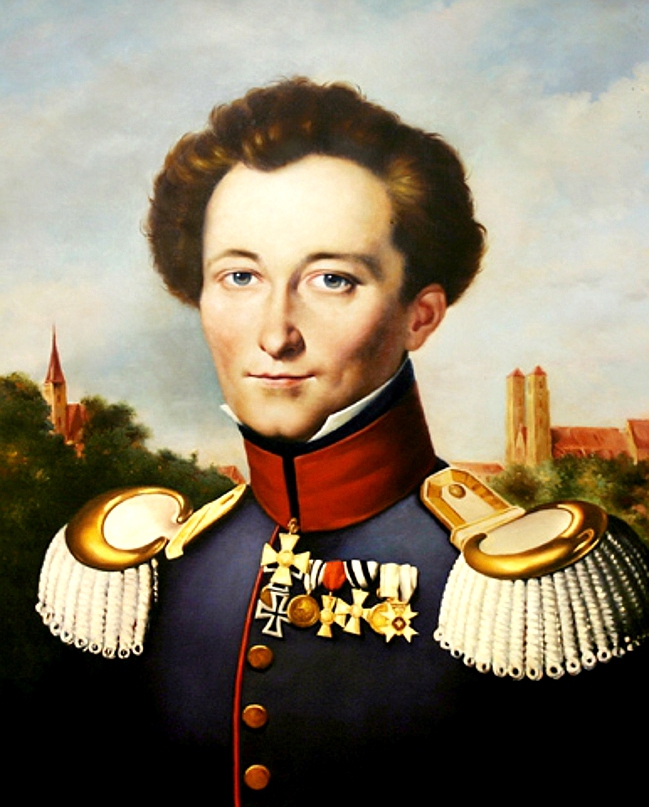
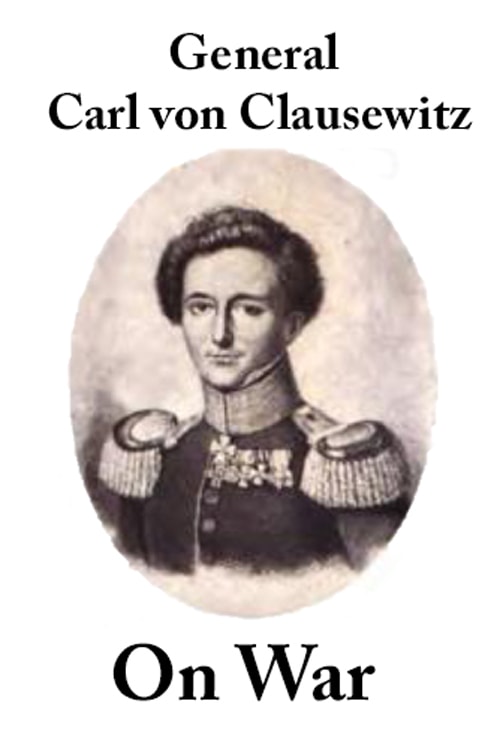
On War is not a manual of tactics. It is an attempt to think clearly about violence itself, about why men fight and what war reveals about human nature. Written by a Prussian officer who survived the Napoleonic campaigns that reshaped Europe, this unfinished masterpiece pulses with the energy of a mind grappling with something enormous. Clausewitz's central insight remains startling two centuries later: war is neither purely mechanical nor purely passionate, but a 'trinity' of chance, emotion, and policy, each element capable of overwhelming the others. He introduces the concept of 'friction' - the gap between plans and reality, between the map and the mud - that has haunted every commander since. The prose is sometimes dense, sometimesaphoristic, often contradictory in ways that feel honest rather than careless. This is a book that forces readers to abandon comfortable certainties about what war is and why it happens. Its influence stretches from Bismarck to nuclear strategists, from academic seminars to battlefield briefings. Anyone seeking to understand not just how wars are fought, but what war means in the human condition, must reckon with this strange, haunted, essential work.
Editions

X-Ray
“War is nothing but a continuation of politics with the admixture of other means.””
— Carl von Clausewitz
“The conqueror is always a lover of peace; he would prefer to take over our country unopposed.””
— Carl von Clausewitz
“There are cases in which the greatest daring is the greatest wisdom.””
— Carl von Clausewitz
“Anyone who falls into the habit of thinking and expecting the best of his subordinates at all times is, for that reason alone, unsuited to command an army””
— Carl von Clausewitz
“If we read history with an open mind, we cannot fail to conclude that, among all the military virtues, the energetic conduct of war has always contributed most to glory and success.””
— Carl von Clausewitz
“... a strong character is one that will not be unbalanced by the most powerful emotions””
— Carl von Clausewitz
“The aggressor is always peace-loving (as Bonaparte always claimed to be); he would prefer to take over our country unopposed.””
— Carl von Clausewitz
“history had no lessons or rules to offer the student, it could only broaden his understanding and strengthen his critical judgment.””
— Carl von Clausewitz
“Great things alone can make a great mind, and petty things will make a petty mind unless a man rejects them as completely alien.””
— Carl von Clausewitz
Link to this book
Add a free, dofollow link to Lex on your blog, forum, syllabus, or reading list.

<a href="https://lex-books.com/book/on-war-cbbcbd0d-0daf-46ba-b897-6d2ea3f9b30d"><img src="https://lex-books.com/badges/read-on-lex.svg" alt="Read On War by Carl von Clausewitz free on Lex" width="160" height="40"></a>[](https://lex-books.com/book/on-war-cbbcbd0d-0daf-46ba-b897-6d2ea3f9b30d)[url=https://lex-books.com/book/on-war-cbbcbd0d-0daf-46ba-b897-6d2ea3f9b30d][img]https://lex-books.com/badges/read-on-lex.svg[/img][/url]Read On War by Carl von Clausewitz free on Lex: https://lex-books.com/book/on-war-cbbcbd0d-0daf-46ba-b897-6d2ea3f9b30dCite this book
Reading this edition for a paper or guide? Copy a citation.
Clausewitz, Carl von. On War. Lex, lex-books.com/book/on-war-cbbcbd0d-0daf-46ba-b897-6d2ea3f9b30d.Clausewitz, C. V. (1832). On War. Lex. https://lex-books.com/book/on-war-cbbcbd0d-0daf-46ba-b897-6d2ea3f9b30dClausewitz, Carl von. On War. Lex. https://lex-books.com/book/on-war-cbbcbd0d-0daf-46ba-b897-6d2ea3f9b30d.