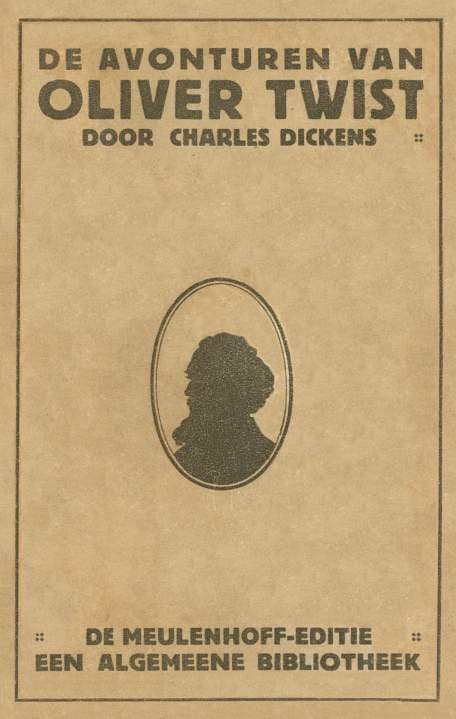
Olivier Twist (NL)

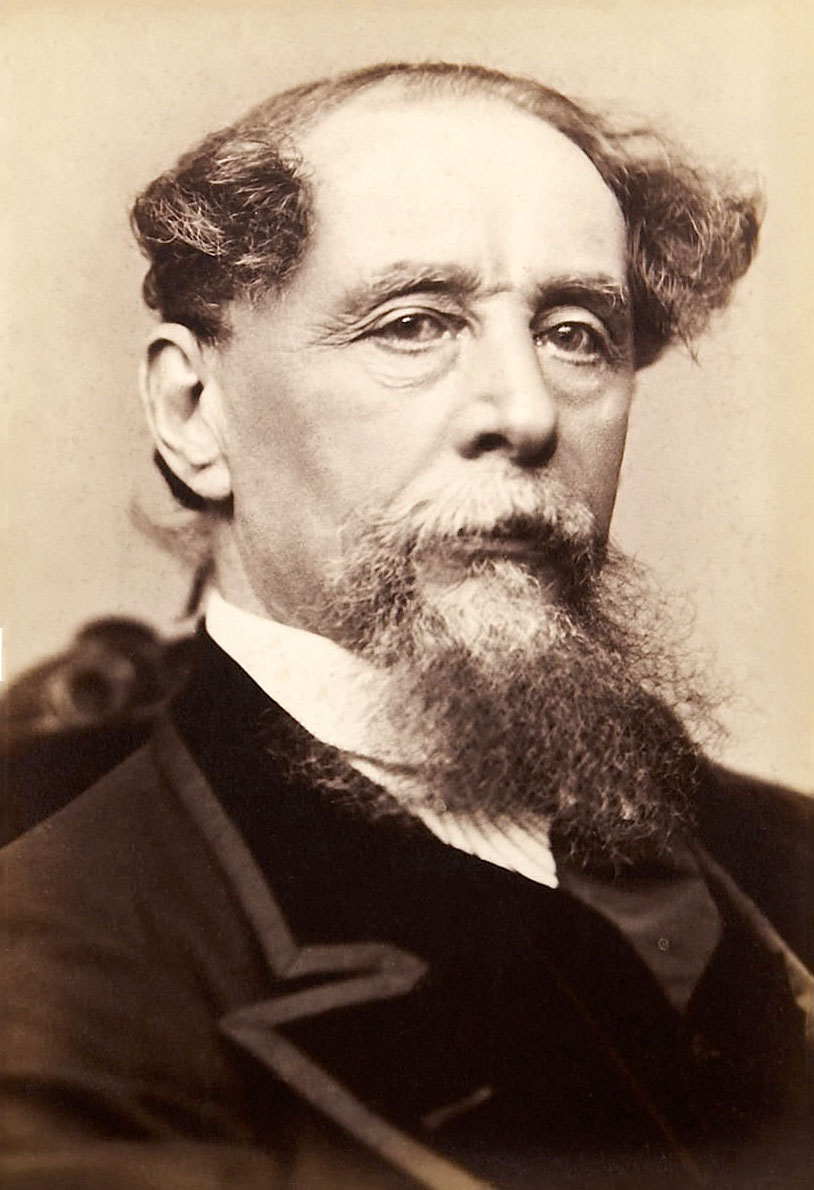
The novel that forced Victorian England to look at its forgotten children. Dickens wrote Oliver Twist to outrage, to drag into the light the starvation, neglect, and systematic corruption of the poor in London's workhouses and streets. A skinny orphan boy with no one to love him becomes the sharp edge of Dickens' rage against a society that manufactured misery and called it order. Oliver is born in a workhouse, suffers hunger and cruelty, barely escapes hanging, and flees to London where the notorious Fagin pulls him into a den of child thieves. The Artful Dodger introduces him to pickpocketing, but kind Mr. Brownlow offers Oliver a glimpse of warmth and education. Then Bill Sikes drags him back into darkness, and the tragic Nancy becomes the novel's beating heart, torn between love and redemption. This is the story of a child navigating a world designed to break him, where goodness is fragile and survival demands compromise. It endures because Dickens turned social anger into literature that still cuts: poverty is not a character flaw, and innocence deserves protection.
Editions

Link to this book
Add a free, dofollow link to Lex on your blog, forum, syllabus, or reading list.

<a href="https://lex-books.com/book/olivier-twist-nl-0b821841-4e04-452b-a447-bec347f022ca"><img src="https://lex-books.com/badges/read-on-lex.svg" alt="Read Olivier Twist (NL) by Charles Dickens free on Lex" width="160" height="40"></a>[](https://lex-books.com/book/olivier-twist-nl-0b821841-4e04-452b-a447-bec347f022ca)[url=https://lex-books.com/book/olivier-twist-nl-0b821841-4e04-452b-a447-bec347f022ca][img]https://lex-books.com/badges/read-on-lex.svg[/img][/url]Read Olivier Twist (NL) by Charles Dickens free on Lex: https://lex-books.com/book/olivier-twist-nl-0b821841-4e04-452b-a447-bec347f022caCite this book
Reading this edition for a paper or guide? Copy a citation.
Dickens, Charles. Olivier Twist (NL). Lex, lex-books.com/book/olivier-twist-nl-0b821841-4e04-452b-a447-bec347f022ca.Dickens, C. (n.d.). Olivier Twist (NL). Lex. https://lex-books.com/book/olivier-twist-nl-0b821841-4e04-452b-a447-bec347f022caDickens, Charles. Olivier Twist (NL). Lex. https://lex-books.com/book/olivier-twist-nl-0b821841-4e04-452b-a447-bec347f022ca.