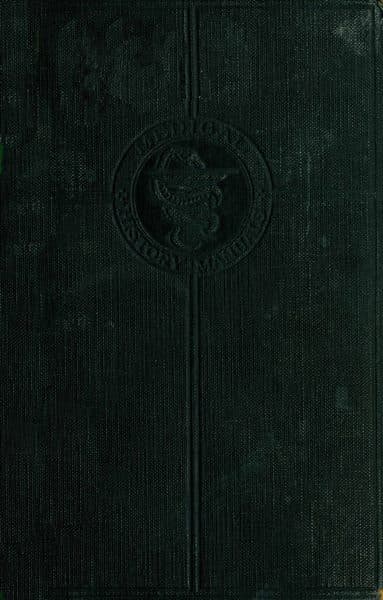
Old-Time Makers of Medicine: The Story of the Students and Teachers of the Sciences Related to Medicine During the Middle Ages
Old-Time Makers of Medicine: The Story of the Students and Teachers of the Sciences Related to Medicine During the Middle Ages
The notion that the Middle Ages represented a medical dark age is one of history's most persistent errors, and James J. Walsh devotes this early 20th-century work to systematically dismantling it. Through careful scholarship, Walsh traces the remarkable network of physicians, scholars, and teachers who kept medical science alive across a thousand years of political and social upheaval. From the monastic physicians who preserved Greek medical texts in their libraries to the Arab physicians whose hospitals and medical schools far outpaced anything in medieval Europe, Walsh reveals a tradition of learning that mainstream history has too often ignored. The book follows figures like Rhazes, Avicenna, and Constantinus Africanus, demonstrating how these scholars did not merely preserve ancient knowledge but advanced it in ways that would be lost again and not fully recovered until centuries later. The overarching theme is one of rediscovery: medical breakthroughs made, forgotten, and reinvented, a cycle that Walsh suggests we remain vulnerable to still.
Editions
X-Ray
The author and narrator, a medical historian and professor who presents the stories of medieval physicians. He serves as the scholarly guide through the history of medieval medicine.
A great Christian physician of the sixth century from Mesopotamia who became physician to Emperor Justinian. He wrote extensively on medical practice and surgery.
A distinguished Christian physician whose brother built Santa Sophia. He traveled extensively gathering medical knowledge and became a renowned teacher and practitioner.
A seventh-century physician educated at Alexandria, known especially for his surgical expertise and contributions to women's diseases.
About Old-Time Makers of Medicine: The Story of the Students and Teachers of the Sciences Related to Medicine During the Middle Ages
Chapter Summaries
- I
- Walsh sets the stage by explaining that medieval medicine is often misunderstood and undervalued. He argues that the Middle Ages preserved Greek medical knowledge and made significant advances despite challenging circumstances.
- II
- Explores how Christianity fostered medical care through hospitals and the work of physician-saints. Discusses Aëtius, Alexander of Tralles, and Paul of Ægina as major medical figures who advanced the field.
- III
- Chronicles the significant contributions of Jewish physicians throughout the Middle Ages, showing their role in preserving and advancing medical knowledge despite persecution and discrimination.
Key Themes
- Continuity of Knowledge
- The book emphasizes how medical knowledge was preserved and transmitted across cultures and centuries, showing that learning never truly disappeared but was maintained by dedicated scholars and practitioners.
- Cultural Exchange
- Walsh demonstrates how medical advancement resulted from the interaction between Christian, Jewish, and Arabian scholars, each contributing to and learning from the others despite religious and cultural differences.
- The Role of the Church
- Contrary to popular belief, the book shows how the Church actively supported medical education and practice, with monasteries preserving texts and many physicians being clergy members.
Characters
- James J. Walsh(protagonist)
- The author and narrator, a medical historian and professor who presents the stories of medieval physicians. He serves as the scholarly guide through the history of medieval medicine.
- Aëtius Amidenus(major)
- A great Christian physician of the sixth century from Mesopotamia who became physician to Emperor Justinian. He wrote extensively on medical practice and surgery.
- Alexander of Tralles(major)
- A distinguished Christian physician whose brother built Santa Sophia. He traveled extensively gathering medical knowledge and became a renowned teacher and practitioner.
- Paul of Ægina(major)
- A seventh-century physician educated at Alexandria, known especially for his surgical expertise and contributions to women's diseases.
- Maimonides (Moses Ben Maimum)(major)
- The great Jewish physician and philosopher born in Cordova, who became physician to Sultan Saladin. A brilliant scholar who combined medicine, philosophy, and religious studies.
- Rhazes (Abu Bekr Mohammed el-Razi)(major)
- The most distinguished Arabian physician, born in Persia around 850. He became head of hospitals in Bagdad and wrote extensively on medical subjects.
Link to this book
Add a free, dofollow link to Lex on your blog, forum, syllabus, or reading list.

<a href="https://lex-books.com/book/old-time-makers-of-medicine-the-story-of-the-students-and-teachers-of-the-scienc-581dde18-e390-4ee0-acdf-0db0649026bd"><img src="https://lex-books.com/badges/read-on-lex.svg" alt="Read Old-Time Makers of Medicine: The Story of the Students and Teachers of the Sciences Related to Medicine During the Middle Ages by James J. Walsh free on Lex" width="160" height="40"></a>[](https://lex-books.com/book/old-time-makers-of-medicine-the-story-of-the-students-and-teachers-of-the-scienc-581dde18-e390-4ee0-acdf-0db0649026bd)[url=https://lex-books.com/book/old-time-makers-of-medicine-the-story-of-the-students-and-teachers-of-the-scienc-581dde18-e390-4ee0-acdf-0db0649026bd][img]https://lex-books.com/badges/read-on-lex.svg[/img][/url]Read Old-Time Makers of Medicine: The Story of the Students and Teachers of the Sciences Related to Medicine During the Middle Ages by James J. Walsh free on Lex: https://lex-books.com/book/old-time-makers-of-medicine-the-story-of-the-students-and-teachers-of-the-scienc-581dde18-e390-4ee0-acdf-0db0649026bdCite this book
Reading this edition for a paper or guide? Copy a citation.
Walsh, James J.. Old-Time Makers of Medicine: The Story of the Students and Teachers of the Sciences Related to Medicine During the Middle Ages. Lex, lex-books.com/book/old-time-makers-of-medicine-the-story-of-the-students-and-teachers-of-the-scienc-581dde18-e390-4ee0-acdf-0db0649026bd.Walsh, J. J. (n.d.). Old-Time Makers of Medicine: The Story of the Students and Teachers of the Sciences Related to Medicine During the Middle Ages. Lex. https://lex-books.com/book/old-time-makers-of-medicine-the-story-of-the-students-and-teachers-of-the-scienc-581dde18-e390-4ee0-acdf-0db0649026bdWalsh, James J.. Old-Time Makers of Medicine: The Story of the Students and Teachers of the Sciences Related to Medicine During the Middle Ages. Lex. https://lex-books.com/book/old-time-makers-of-medicine-the-story-of-the-students-and-teachers-of-the-scienc-581dde18-e390-4ee0-acdf-0db0649026bd.