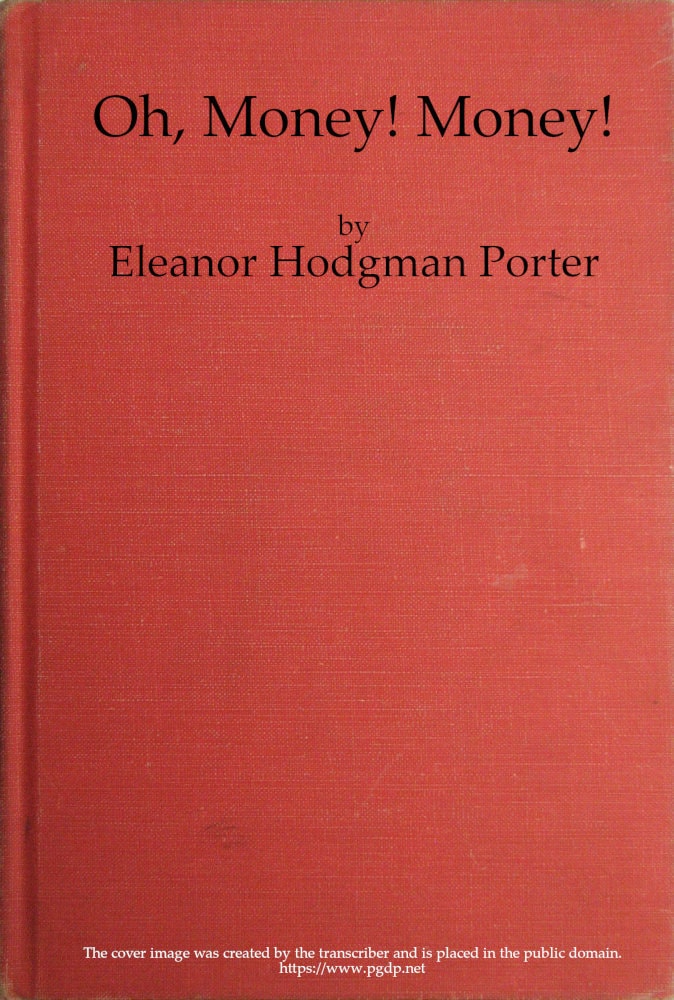
Oh, Money! Money! a Novel
1918
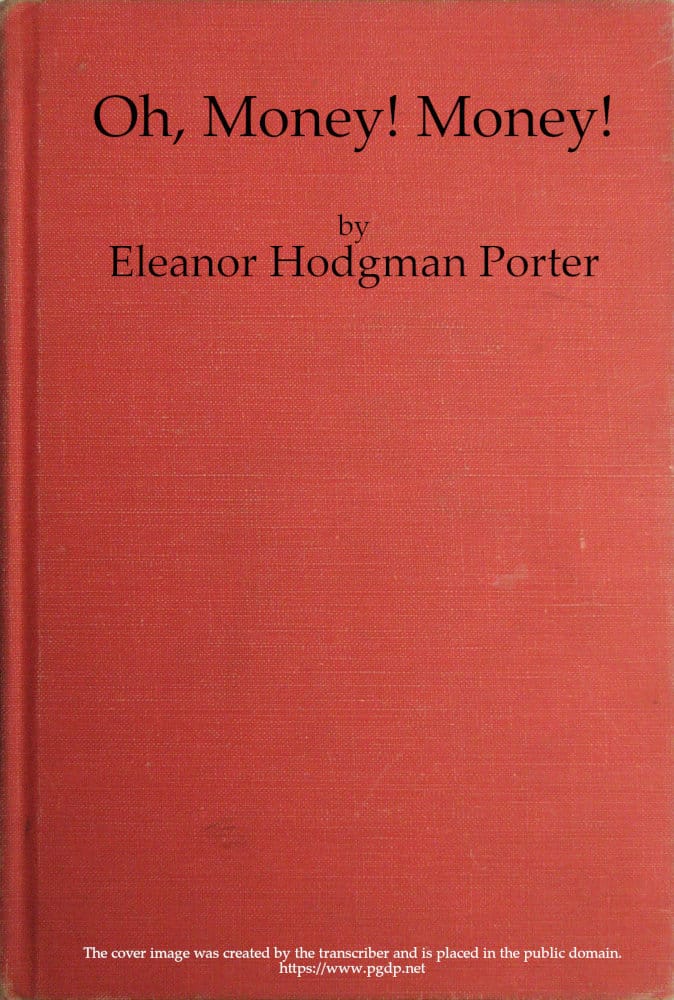
Stanley G. Fulton has money, plenty of it, and not much else to show for his seventy years. A wealthy man grown weary of organized charity and suspicious of how his fortune might be squandered after he's gone, Fulton hatches a plan both daring and desperate: he will disappear, adopt the bland name John Smith, and anonymously shower his three distant cousins with substantial sums. Then he'll watch. What follows is a sharp social comedy about what money reveals about people. Flora, the modest dressmaker. James Blaisdell, struggling to keep his grocery store afloat. These ordinary relatives suddenly faced with extraordinary wealth become a prism through which Porter examines greed, generosity, and the peculiar corrupting grace of sudden fortune. The novel's wit cuts through its Edwardian setting, and Fulton's experiment in human nature becomes something he never anticipated: a mirror that reflects his own stinginess and loneliness back at him. A forgotten gem that asks what we owe family, what we owe strangers, and whether money can buy the compassion Fulton so desperately lacks.
Editions
Link to this book
Add a free, dofollow link to Lex on your blog, forum, syllabus, or reading list.

<a href="https://lex-books.com/book/oh-money-money-a-novel-03f27eb7-c7d9-4d60-b94a-549c75513f22"><img src="https://lex-books.com/badges/read-on-lex.svg" alt="Read Oh, Money! Money! a Novel by Eleanor H. Porter free on Lex" width="160" height="40"></a>[](https://lex-books.com/book/oh-money-money-a-novel-03f27eb7-c7d9-4d60-b94a-549c75513f22)[url=https://lex-books.com/book/oh-money-money-a-novel-03f27eb7-c7d9-4d60-b94a-549c75513f22][img]https://lex-books.com/badges/read-on-lex.svg[/img][/url]Read Oh, Money! Money! a Novel by Eleanor H. Porter free on Lex: https://lex-books.com/book/oh-money-money-a-novel-03f27eb7-c7d9-4d60-b94a-549c75513f22Cite this book
Reading this edition for a paper or guide? Copy a citation.
Porter, Eleanor H.. Oh, Money! Money! a Novel. Lex, lex-books.com/book/oh-money-money-a-novel-03f27eb7-c7d9-4d60-b94a-549c75513f22.Porter, E. H. (1918). Oh, Money! Money! a Novel. Lex. https://lex-books.com/book/oh-money-money-a-novel-03f27eb7-c7d9-4d60-b94a-549c75513f22Porter, Eleanor H.. Oh, Money! Money! a Novel. Lex. https://lex-books.com/book/oh-money-money-a-novel-03f27eb7-c7d9-4d60-b94a-549c75513f22.