Noli Me Tangere
1887

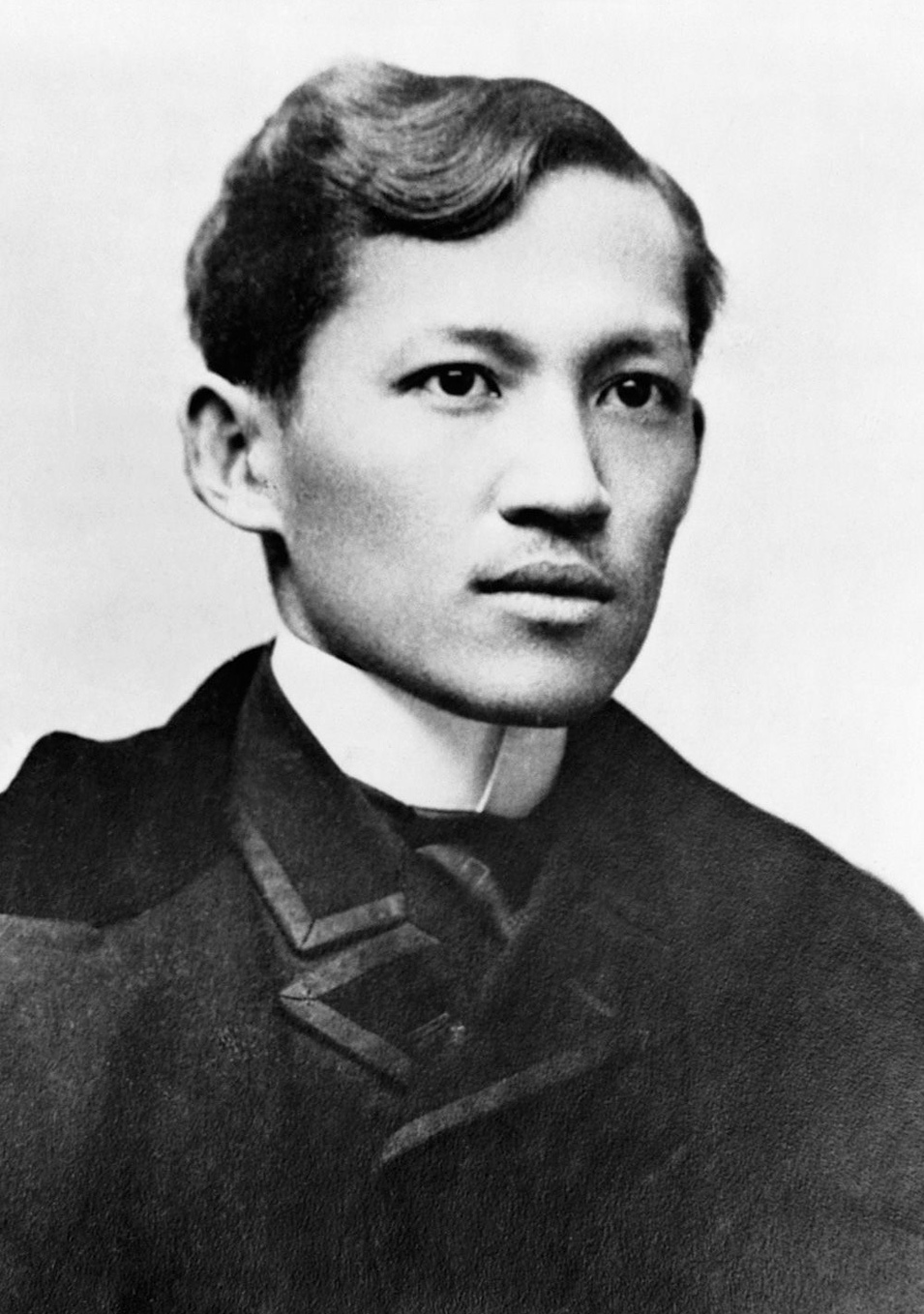
When Crisostomo Ibarra returns to the Philippines after seven years of study in Europe, he finds his homeland not as he left it, but rotting beneath a veneer of Spanish piety. The young idealist arrives with dreams of reform, only to discover that the clergy wields power through confession boxes and the state operates through torture chambers. At its heart, Noli Me Tangere is a love story Ibarra's passionate romance with Maria Clara becomes the tender thread woven through a tapestry of corruption, betrayal, and the quiet desperation of a colonized people. Rizal wrote this novel in 1887, and it ignited a fire that would not be extinguished: the first literary shot fired by Asia against European colonialism, a work so dangerous the Spanish banned it, so essential that Rizal was executed for its shadow. The title, taken from the words Jesus spoke to Mary Magdalene after the resurrection, carries bitter irony in a nation crying out to be reborn.
Editions


X-Ray
“I have to believe much in God because I have lost my faith in man.””
— José Rizal
“Cowardice rightly understood begins with selfishness and ends with shame.””
— José Rizal
“What said those two souls communicating through the language of the eyes, more perfect than that of the lips, the language given to the soul in order that sound may not mar the ecstasy of feeling? In such moments, when the thoughts of two happy beings penetrate into each other’s souls through the eyes, the spoken word is halting, rude, and weak”
— José Rizal
“How long have you been away from the country?" Laruja asked Ibarra."Almost seven years.""Then you have probably forgotten all about it.""Quite the contrary. Even if my country does seem to have forgotten me, I have always thought about it.””
— José Rizal
“I die without seeing dawn's light shining on my country... You, who will see it, welcome it for me...don't forget those who fell during the nighttime.””
— José Rizal
“The people do not complain because they have no voice; do not move because they are lethargic, and you say that they do not suffer because you have not seen their hearts bleed.””
— José Rizal
“To be happy does not mean to indulge in foolishness!””
— José Rizal
“I have observed that the prosperity or misery of each people is in direct proportion to its liberties or its prejudices and, accordingly, to the sacrifices or the selfishness of its forefathers. -Juan Crisostomo Ibarra””
— José Rizal
“It is not the criminals who arouse the hatred of others, but the men who are honest.””
— José Rizal
Link to this book
Add a free, dofollow link to Lex on your blog, forum, syllabus, or reading list.

<a href="https://lex-books.com/book/noli-me-tangere-782cae33-6c7b-4e96-a362-0744b334b6aa"><img src="https://lex-books.com/badges/read-on-lex.svg" alt="Read Noli Me Tangere by José Rizal free on Lex" width="160" height="40"></a>[](https://lex-books.com/book/noli-me-tangere-782cae33-6c7b-4e96-a362-0744b334b6aa)[url=https://lex-books.com/book/noli-me-tangere-782cae33-6c7b-4e96-a362-0744b334b6aa][img]https://lex-books.com/badges/read-on-lex.svg[/img][/url]Read Noli Me Tangere by José Rizal free on Lex: https://lex-books.com/book/noli-me-tangere-782cae33-6c7b-4e96-a362-0744b334b6aaCite this book
Reading this edition for a paper or guide? Copy a citation.
Rizal, José. Noli Me Tangere. Lex, lex-books.com/book/noli-me-tangere-782cae33-6c7b-4e96-a362-0744b334b6aa.Rizal, J. (1887). Noli Me Tangere. Lex. https://lex-books.com/book/noli-me-tangere-782cae33-6c7b-4e96-a362-0744b334b6aaRizal, José. Noli Me Tangere. Lex. https://lex-books.com/book/noli-me-tangere-782cae33-6c7b-4e96-a362-0744b334b6aa.