Noli Me Tangere

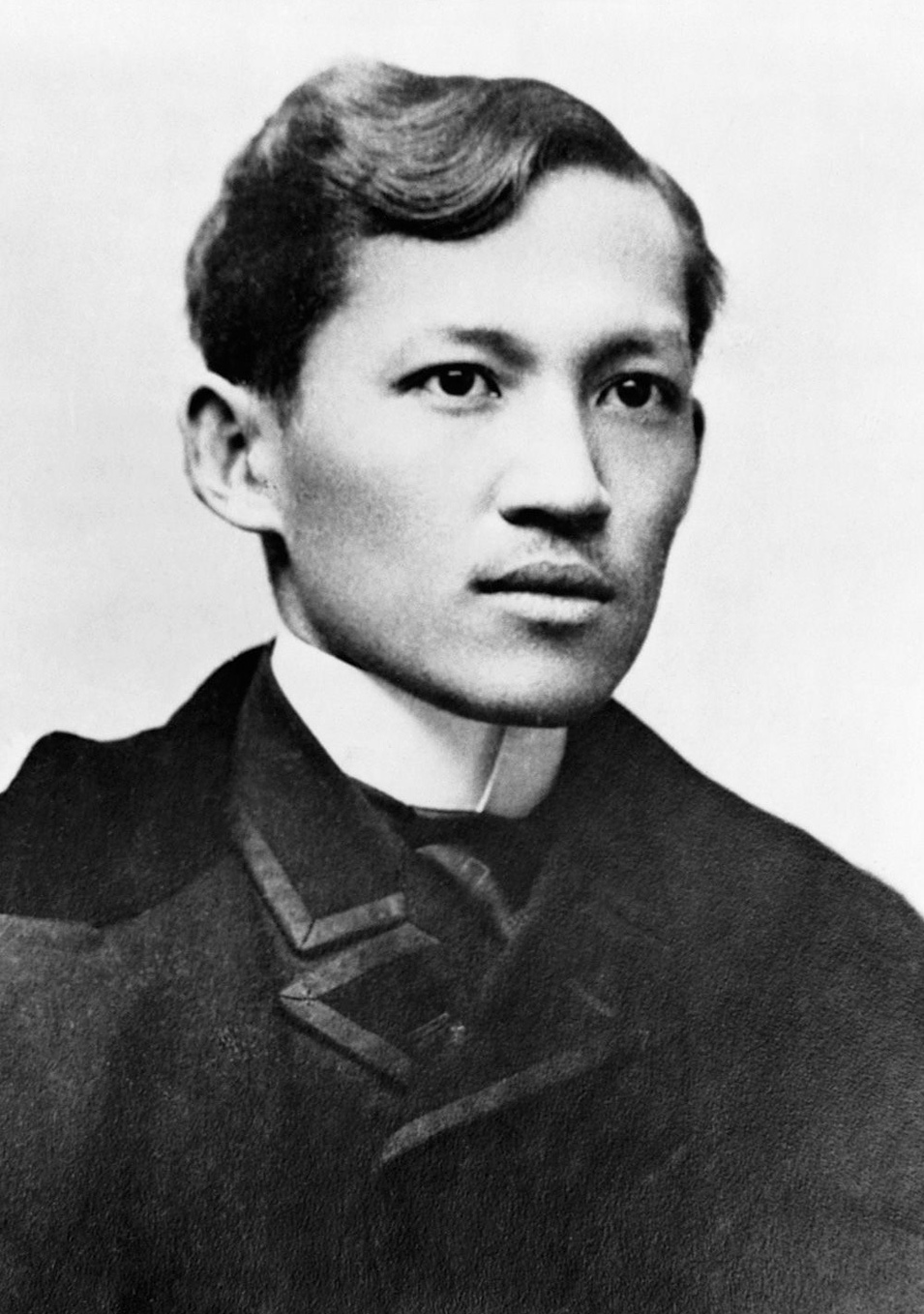
José Rizal's incendiary masterpiece, *Noli Me Tángere*, plunges into the twilight years of Spanish colonial rule in the Philippines, exposing the festering corruption within the church and government through the eyes of Crisóstomo Ibarra. Returning from Europe, Ibarra is an idealist, brimming with plans to uplift his countrymen through education and marry his beloved María Clara. But his utopian vision quickly clashes with the harsh realities of a society riddled with injustice, where powerful friars and colonial officials hold sway. As Ibarra navigates a treacherous landscape of hidden agendas and open hostilities, he unearths dark secrets surrounding his father's death and confronts the forces determined to crush any stirrings of progress or dissent. The novel's Latin title, meaning "touch me not," is a poignant double entendre: a biblical allusion to a revered figure who cannot be clung to, and a medical term for a cancer that only worsens with contact—a searing metaphor for the Philippines itself. More than a historical novel, *Noli Me Tángere* is a foundational text of Filipino identity, a literary lightning rod that ignited the flames of revolution. Rizal's vivid prose and sharply drawn characters—from the pious yet manipulative Padre Dámaso to the tragic Sisa—paint an unforgettable portrait of a nation groaning under oppression. Its unflinching critique of colonial abuses and its impassioned plea for enlightenment and reform made it a forbidden book, leading directly to Rizal's exile and execution. Yet, its legacy endures, shaping the collective consciousness of a people and standing as a testament to the power of literature to inspire freedom and forge a national soul. Required reading in the Philippines today, it remains a vital exploration of idealism, sacrifice, and the enduring struggle against tyranny.
Editions


Link to this book
Add a free, dofollow link to Lex on your blog, forum, syllabus, or reading list.

<a href="https://lex-books.com/book/noli-me-tangere-27fc6c5b-87a2-42b6-a661-a62b46ad4516"><img src="https://lex-books.com/badges/read-on-lex.svg" alt="Read Noli Me Tangere by José Rizal free on Lex" width="160" height="40"></a>[](https://lex-books.com/book/noli-me-tangere-27fc6c5b-87a2-42b6-a661-a62b46ad4516)[url=https://lex-books.com/book/noli-me-tangere-27fc6c5b-87a2-42b6-a661-a62b46ad4516][img]https://lex-books.com/badges/read-on-lex.svg[/img][/url]Read Noli Me Tangere by José Rizal free on Lex: https://lex-books.com/book/noli-me-tangere-27fc6c5b-87a2-42b6-a661-a62b46ad4516Cite this book
Reading this edition for a paper or guide? Copy a citation.
Rizal, José. Noli Me Tangere. Lex, lex-books.com/book/noli-me-tangere-27fc6c5b-87a2-42b6-a661-a62b46ad4516.Rizal, J. (n.d.). Noli Me Tangere. Lex. https://lex-books.com/book/noli-me-tangere-27fc6c5b-87a2-42b6-a661-a62b46ad4516Rizal, José. Noli Me Tangere. Lex. https://lex-books.com/book/noli-me-tangere-27fc6c5b-87a2-42b6-a661-a62b46ad4516.