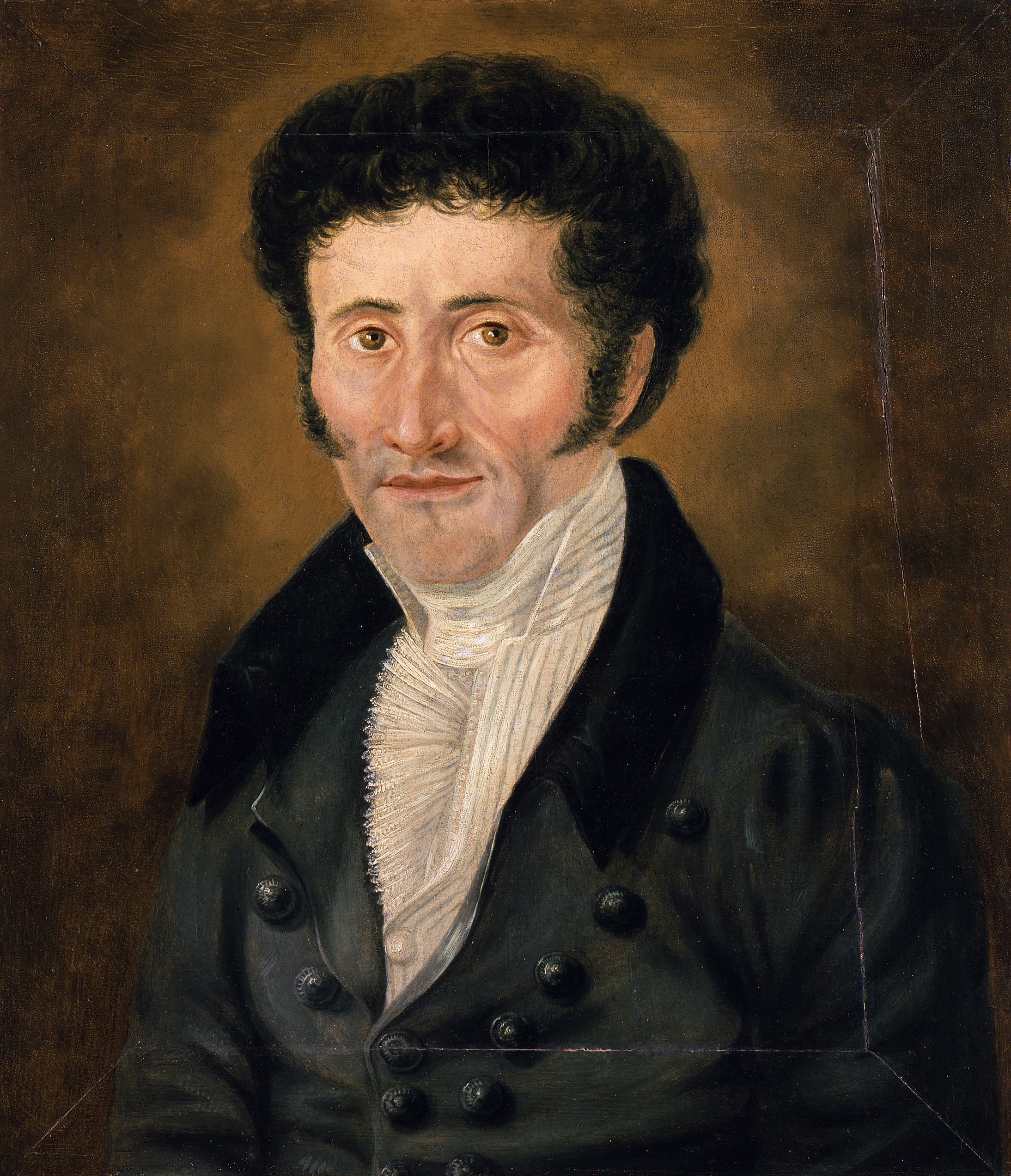
Nachtstücke
1817
Few works of horror have done more to haunt the modern imagination than these eight tales from the dawn of the nineteenth century. Hoffmann, writing in the shadow of the Napoleonic wars and the collapse of Enlightenment certainties, discovered something that rationalist culture could not name: the uncanny, the return of the repressed, the moment when the familiar turns alien and the selfsplits against its will. The collection opens with "The Sandman," the story that would later inspire Freud's landmark essay on das Unheimliche, following the doomed student Nathanael as childhood memories of a demonic figure collide with his adult passions, threatening to drag him into a waking nightmare where automata pass for humans and grief becomes madness. The other tales extend this territory in darker directions: a monk whose sins take corporeal form, a murderer haunted by his victim's eyes, a man who discovers his own portrait has been aging without him. These are not ghost stories but psychological excavations, night pieces that extend the darkness of the soul into the supposedly rational light of day. Hoffmann's influence ripples forward through Poe, through Kafka, through every writer who understood that the most terrifying horror lives not in graveyards but in the architecture of a fractured mind.
Editions
Link to this book
Add a free, dofollow link to Lex on your blog, forum, syllabus, or reading list.

<a href="https://lex-books.com/book/nachtst-cke-a5c53ed5-bb9e-4059-b941-abda90003641"><img src="https://lex-books.com/badges/read-on-lex.svg" alt="Read Nachtstücke by E. T. A. Hoffmann free on Lex" width="160" height="40"></a>[](https://lex-books.com/book/nachtst-cke-a5c53ed5-bb9e-4059-b941-abda90003641)[url=https://lex-books.com/book/nachtst-cke-a5c53ed5-bb9e-4059-b941-abda90003641][img]https://lex-books.com/badges/read-on-lex.svg[/img][/url]Read Nachtstücke by E. T. A. Hoffmann free on Lex: https://lex-books.com/book/nachtst-cke-a5c53ed5-bb9e-4059-b941-abda90003641Cite this book
Reading this edition for a paper or guide? Copy a citation.
Hoffmann, E. T. A.. Nachtstücke. Lex, lex-books.com/book/nachtst-cke-a5c53ed5-bb9e-4059-b941-abda90003641.Hoffmann, E. T. A. (1817). Nachtstücke. Lex. https://lex-books.com/book/nachtst-cke-a5c53ed5-bb9e-4059-b941-abda90003641Hoffmann, E. T. A.. Nachtstücke. Lex. https://lex-books.com/book/nachtst-cke-a5c53ed5-bb9e-4059-b941-abda90003641.