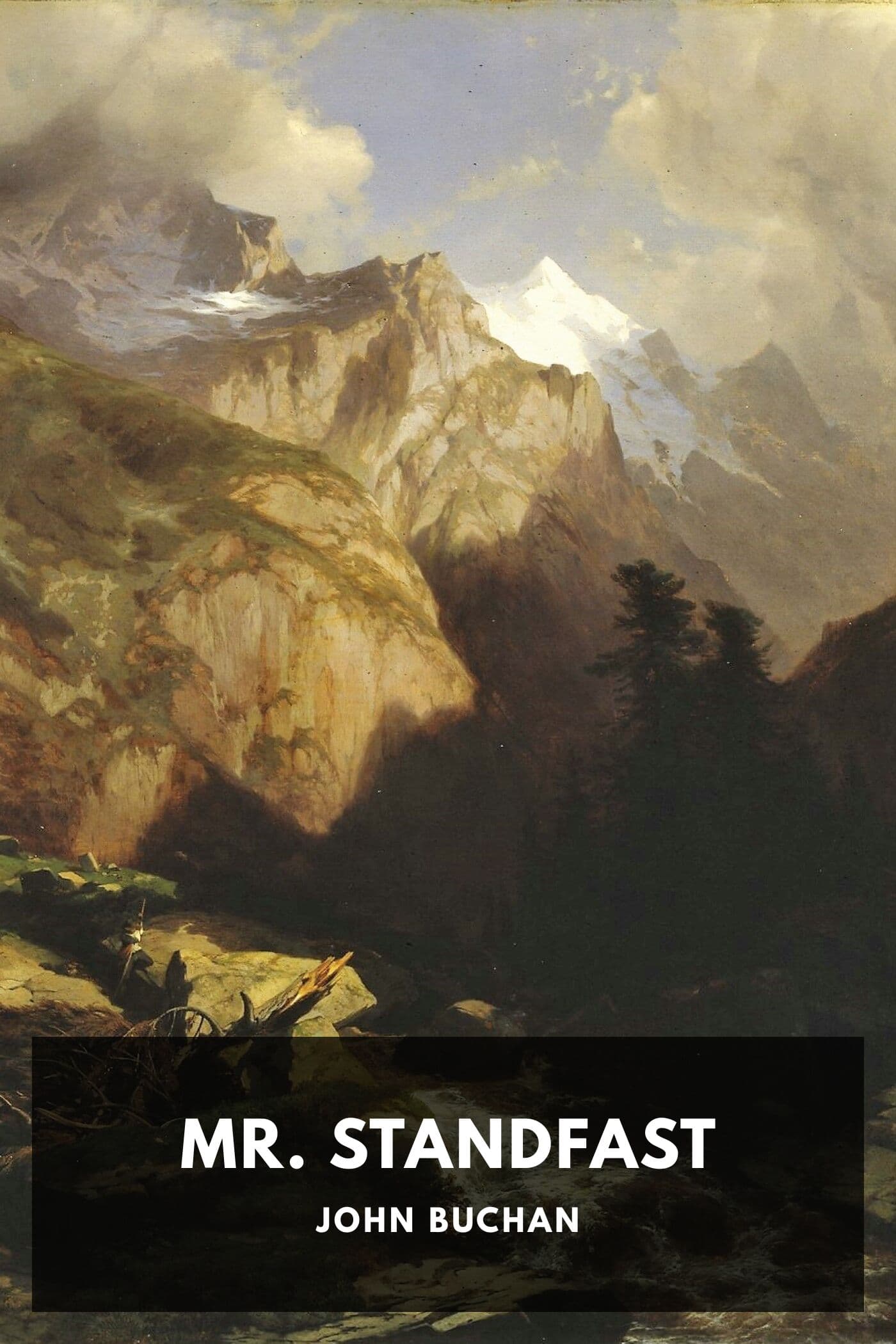
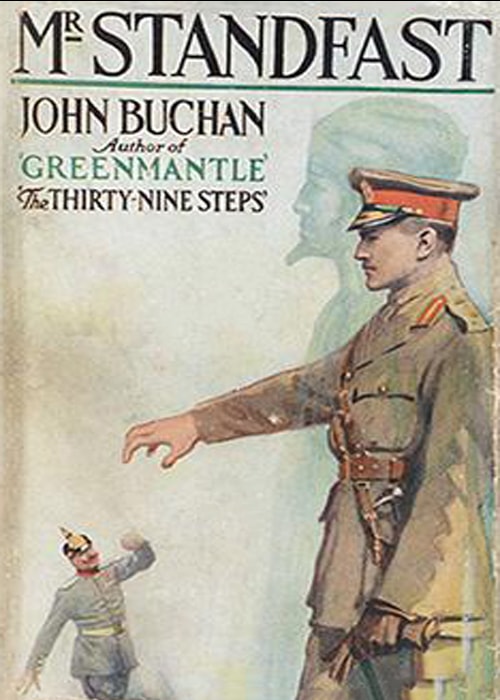
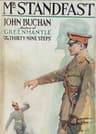
Mr. Standfast
1919
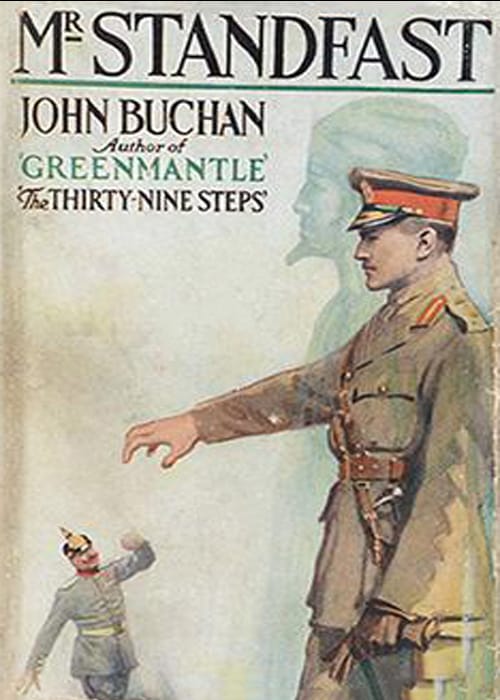
1917. The war has ground on for three years, and Richard Hannay, the decorated soldier from The Thirty-Nine Steps, is asked to do the one thing he finds most difficult: wait. Posing as Cornelius Brand, a mild-mannered pacifist engineer, Hannay must infiltrate a circle of suspected German agents operating in the English countryside while maintaining a facade of conscientious objection. The thrill lies in the contradiction, a warrior forced to play the coward, a man of action condemned to patience. But this is also the novel where Hannay, who has spent a lifetime 'wholly among men,' finally falls in love, and the vulnerability that introduces into his character transforms him from an efficient operative into something closer to a real man. The title comes from Pilgrim's Progress, and Buchan weaves Bunyan's allegory throughout: Hannay uses a copy of the classic to conceal coded messages from his contacts, and the journey toward peace becomes his own pilgrimage through the valley of shadow. Written by a man who actually served in British intelligence during the war, Mr. Standfast delivers the pleasures of early spy fiction, tension, disguises, a puzzles to be solved, while quietly asking what any of us owe to the people we pretend to be.
Editions

X-Ray
“But the big courage is the cold-blooded kind, the kind that never lets go even when you're feeling empty inside, and your blood's thin, and there's no kind of fun or profit to be had, and the trouble's not over in an hour or two but lasts for months and years.””
— John Buchan
“Most people are a little scared at new things ... You want a bigger heart to face danger which you go out to look for, and which doesn't come to you in the ordinary way of business. Still, that's pretty much the same thing”
— John Buchan
Link to this book
Add a free, dofollow link to Lex on your blog, forum, syllabus, or reading list.

<a href="https://lex-books.com/book/mr-standfast-1da071d4-f91b-4c3e-a737-c5cea4a36826"><img src="https://lex-books.com/badges/read-on-lex.svg" alt="Read Mr. Standfast by John Buchan free on Lex" width="160" height="40"></a>[](https://lex-books.com/book/mr-standfast-1da071d4-f91b-4c3e-a737-c5cea4a36826)[url=https://lex-books.com/book/mr-standfast-1da071d4-f91b-4c3e-a737-c5cea4a36826][img]https://lex-books.com/badges/read-on-lex.svg[/img][/url]Read Mr. Standfast by John Buchan free on Lex: https://lex-books.com/book/mr-standfast-1da071d4-f91b-4c3e-a737-c5cea4a36826Cite this book
Reading this edition for a paper or guide? Copy a citation.
Buchan, John. Mr. Standfast. Lex, lex-books.com/book/mr-standfast-1da071d4-f91b-4c3e-a737-c5cea4a36826.Buchan, J. (1919). Mr. Standfast. Lex. https://lex-books.com/book/mr-standfast-1da071d4-f91b-4c3e-a737-c5cea4a36826Buchan, John. Mr. Standfast. Lex. https://lex-books.com/book/mr-standfast-1da071d4-f91b-4c3e-a737-c5cea4a36826.