Mary Stuart: A Tragedy
1992
Schiller's towering tragedy imagines the final days of Mary Stuart, Queen of Scots, imprisoned in a cold English castle and waiting to learn whether her cousin Elizabeth I will sign her death warrant. The play opens not with courts and crowns but with the grinding indignities of confinement: Mary's retinue argues with her jailers over stolen possessions, while the former queen herself burns for one audience with her rival, one chance to speak in her own defense. What follows is a ferocious examination of power, dignity, and the terrible mathematics of political survival. Schiller gives Mary both fiery passion and cunning; Elizabeth appears only in the second half, and their confrontation is electric with mutual recognition across an unbridgeable divide. This is not merely a historical costume drama but a meditation on what remains of sovereignty when a monarch loses everything except her name. The language is muscular, the psychological stakes are ruthless, and the final act builds toward an execution scene of unbearable tension. For readers who crave tragedies that treat women as fully human in all their complexity, this is essential.
Editions
X-Ray
“The voice of the majority is no proof of justice””
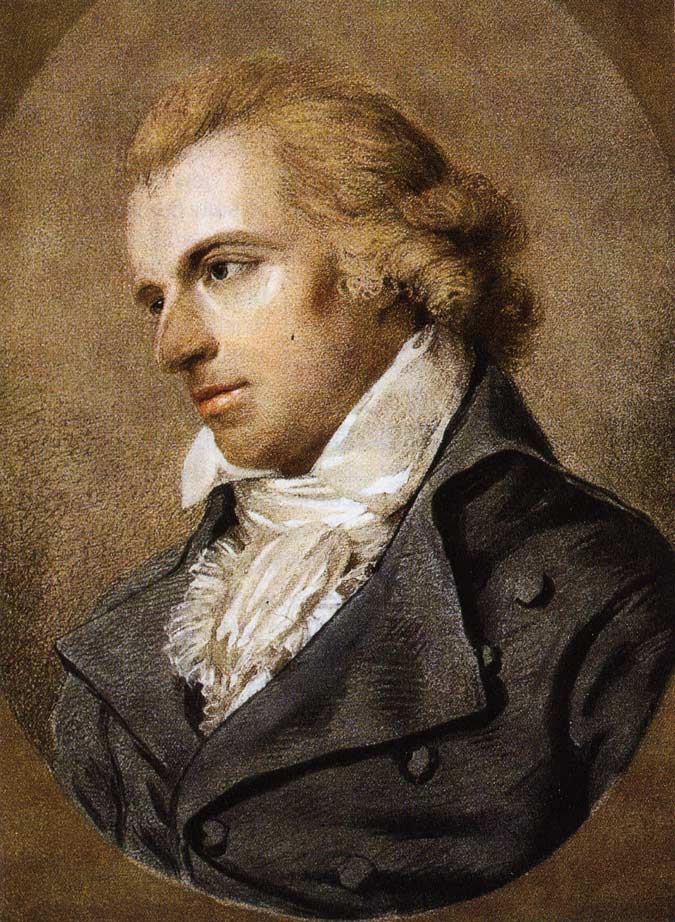
— Friedrich Schiller
“Der Ring macht Ehen,und Ringe sind's, die eine Kette machen.II, 2. (Elisabeth)””
— Friedrich Schiller
“Three noble heads cut off in sacrifice for her. But nothing - nothing - can deter the jostling swarms of madmen, pushing forth to jump into the abyss - to waste their lives - for her. And every day the scaffolds heave to hang the new - and newer - martyrs for her cause. Black day that England ever welcomed her.””
— Friedrich Schiller
Link to this book
Add a free, dofollow link to Lex on your blog, forum, syllabus, or reading list.

<a href="https://lex-books.com/book/mary-stuart-a-tragedy-cc383161-9e6b-49cd-a451-99d8b6c5aa2f"><img src="https://lex-books.com/badges/read-on-lex.svg" alt="Read Mary Stuart: A Tragedy by Friedrich Schiller free on Lex" width="160" height="40"></a>[](https://lex-books.com/book/mary-stuart-a-tragedy-cc383161-9e6b-49cd-a451-99d8b6c5aa2f)[url=https://lex-books.com/book/mary-stuart-a-tragedy-cc383161-9e6b-49cd-a451-99d8b6c5aa2f][img]https://lex-books.com/badges/read-on-lex.svg[/img][/url]Read Mary Stuart: A Tragedy by Friedrich Schiller free on Lex: https://lex-books.com/book/mary-stuart-a-tragedy-cc383161-9e6b-49cd-a451-99d8b6c5aa2fCite this book
Reading this edition for a paper or guide? Copy a citation.
Schiller, Friedrich. Mary Stuart: A Tragedy. Lex, lex-books.com/book/mary-stuart-a-tragedy-cc383161-9e6b-49cd-a451-99d8b6c5aa2f.Schiller, F. (1992). Mary Stuart: A Tragedy. Lex. https://lex-books.com/book/mary-stuart-a-tragedy-cc383161-9e6b-49cd-a451-99d8b6c5aa2fSchiller, Friedrich. Mary Stuart: A Tragedy. Lex. https://lex-books.com/book/mary-stuart-a-tragedy-cc383161-9e6b-49cd-a451-99d8b6c5aa2f.