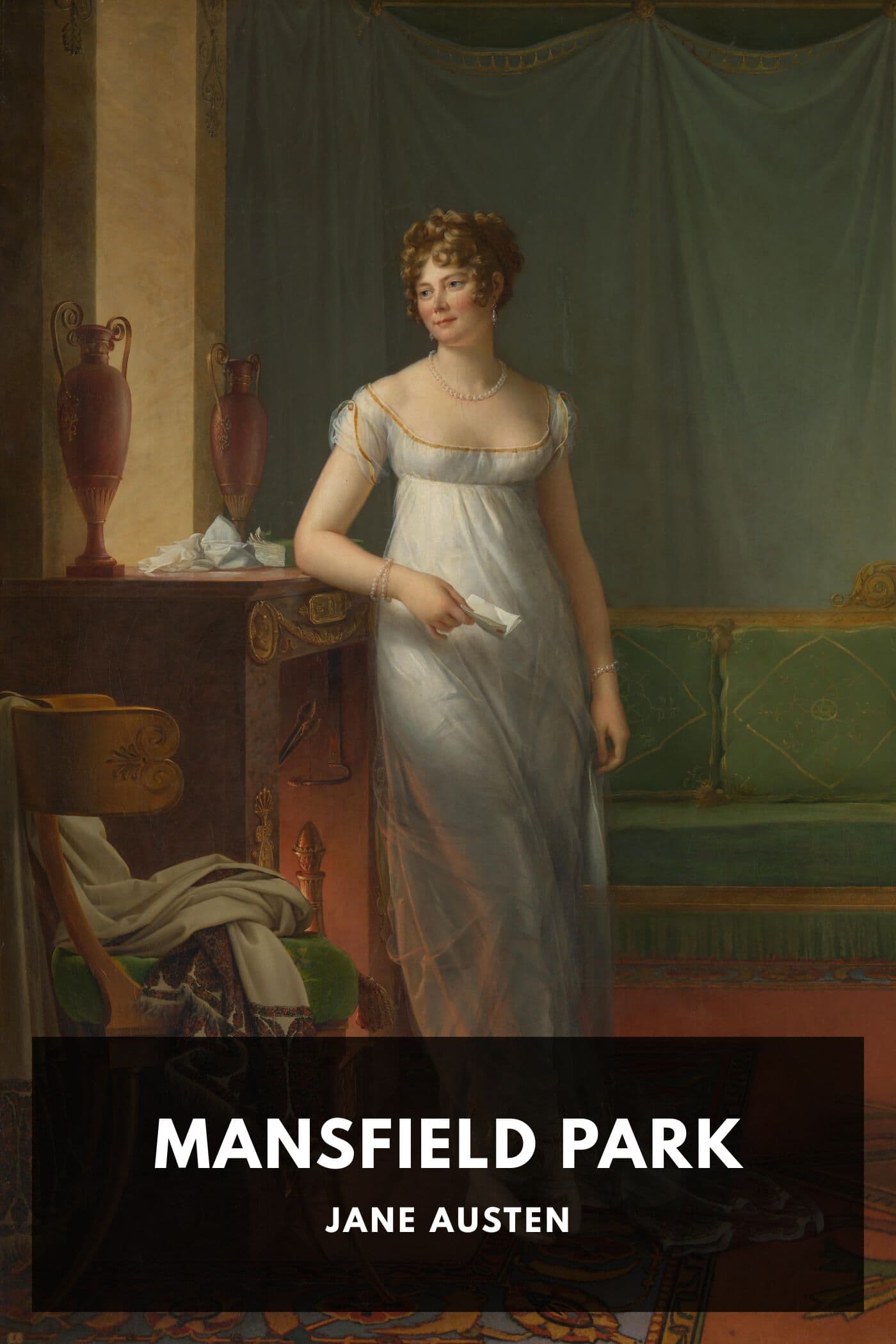
Mansfield Park (version 2)

At ten years old, Fanny Price is sent from her impoverished Portsmouth home to live with her wealthy aunt and uncle at Mansfield Park. She is shy, sickly, and painfully aware of her inferior status among cousins who have everything while she has nothing. Yet Fanny possesses an inner moral compass that refuses to compromise, even when it means standing alone against her entire family. When the charismatic Henry and Mary Crawford arrive, they disrupt the quiet household with their wit and allure. The young people stage an amateur theatrical - a decision that sets in motion events testing every character's values. Henry courts one sister after another with charming recklessness, while Fanny watches with growing dread, her quiet warnings dismissed as prudishness. Her steadfast love for Edmund, the only cousin who truly sees her, becomes the emotional spine of this novel. This is Austen's most complex and morally serious work. Behind the elegant country house prose lies a sharp examination of the compromises that sustain English gentility, including the slave trade that funded Mansfield Park itself. Fanny's rigidity is, in fact, a form of courage - the courage to remain herself in a world that rewards performance. For readers who find other Austen heroines too easily won, Fanny offers a different kind of strength.
Editions


Link to this book
Add a free, dofollow link to Lex on your blog, forum, syllabus, or reading list.

<a href="https://lex-books.com/book/mansfield-park-version-2-63d39385-cdec-4c63-9147-f9d19281cbd0"><img src="https://lex-books.com/badges/read-on-lex.svg" alt="Read Mansfield Park (version 2) by Jane Austen free on Lex" width="160" height="40"></a>[](https://lex-books.com/book/mansfield-park-version-2-63d39385-cdec-4c63-9147-f9d19281cbd0)[url=https://lex-books.com/book/mansfield-park-version-2-63d39385-cdec-4c63-9147-f9d19281cbd0][img]https://lex-books.com/badges/read-on-lex.svg[/img][/url]Read Mansfield Park (version 2) by Jane Austen free on Lex: https://lex-books.com/book/mansfield-park-version-2-63d39385-cdec-4c63-9147-f9d19281cbd0Cite this book
Reading this edition for a paper or guide? Copy a citation.
Austen, Jane. Mansfield Park (version 2). Lex, lex-books.com/book/mansfield-park-version-2-63d39385-cdec-4c63-9147-f9d19281cbd0.Austen, J. (n.d.). Mansfield Park (version 2). Lex. https://lex-books.com/book/mansfield-park-version-2-63d39385-cdec-4c63-9147-f9d19281cbd0Austen, Jane. Mansfield Park (version 2). Lex. https://lex-books.com/book/mansfield-park-version-2-63d39385-cdec-4c63-9147-f9d19281cbd0.
![Love and Freindship [sic]](/_next/image?url=https%3A%2F%2Fd3b2n8gj62qnwr.cloudfront.net%2FCOVERS%2Fgutenberg_covers75k%2Febook-1212.png&w=3840&q=75)