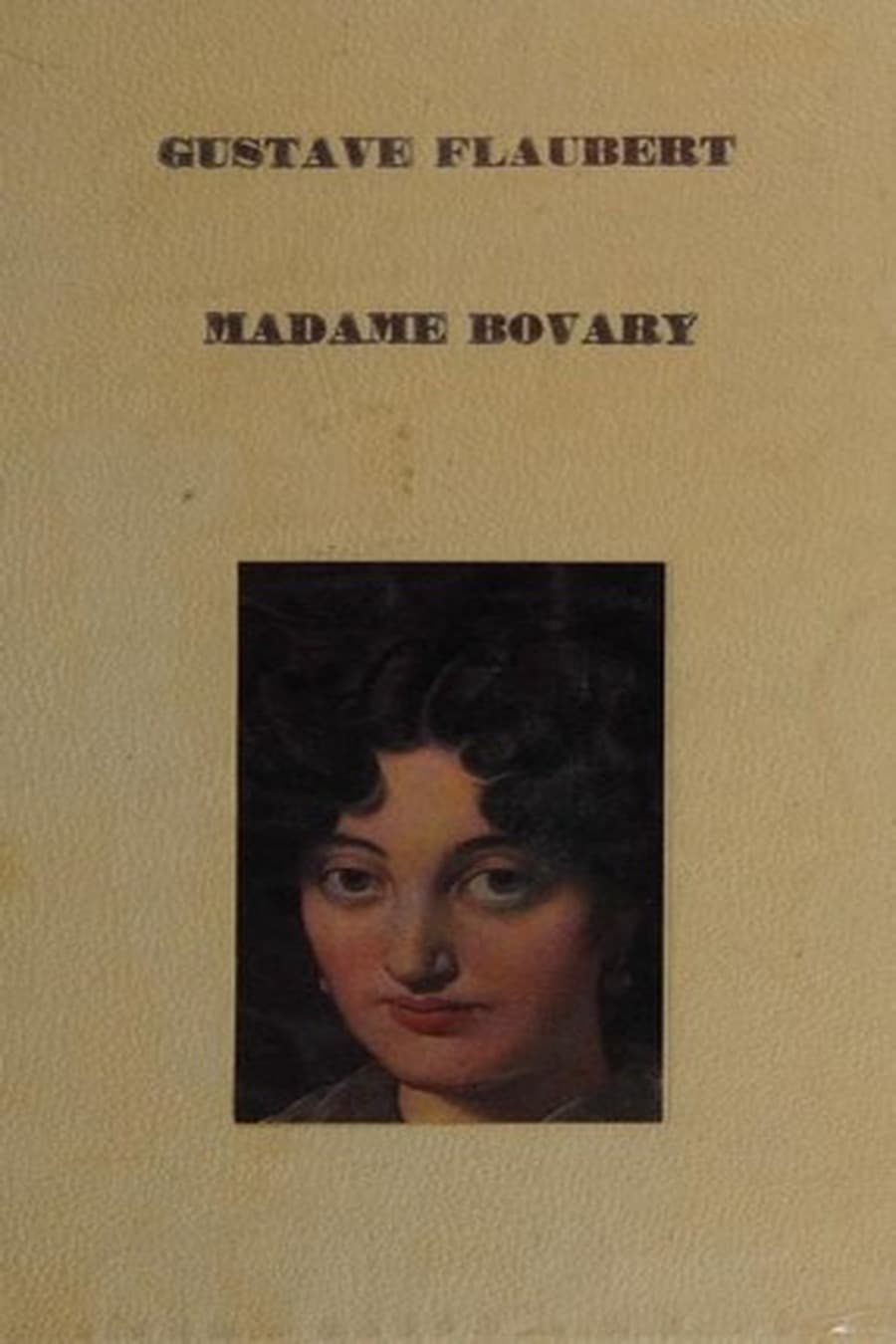
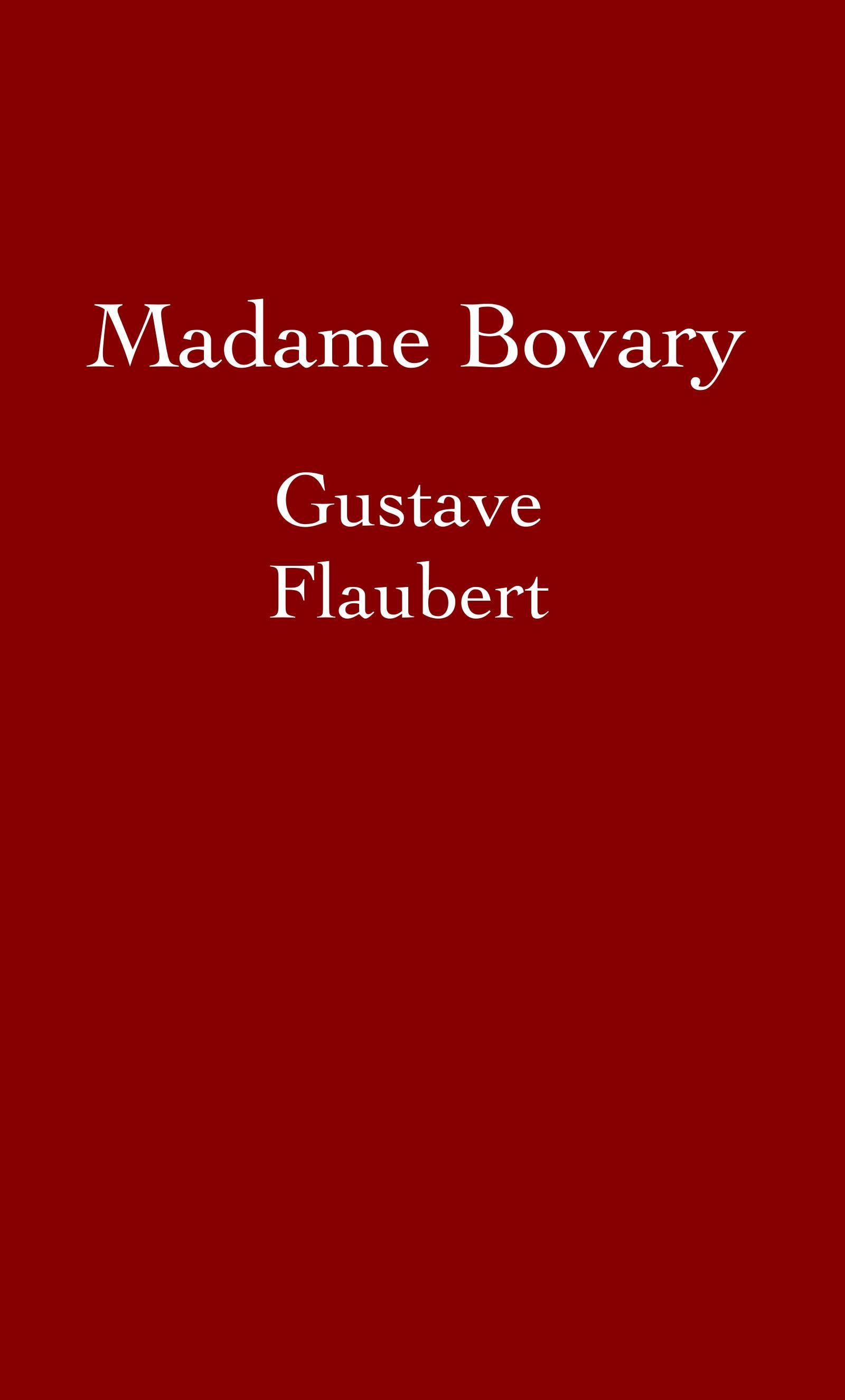
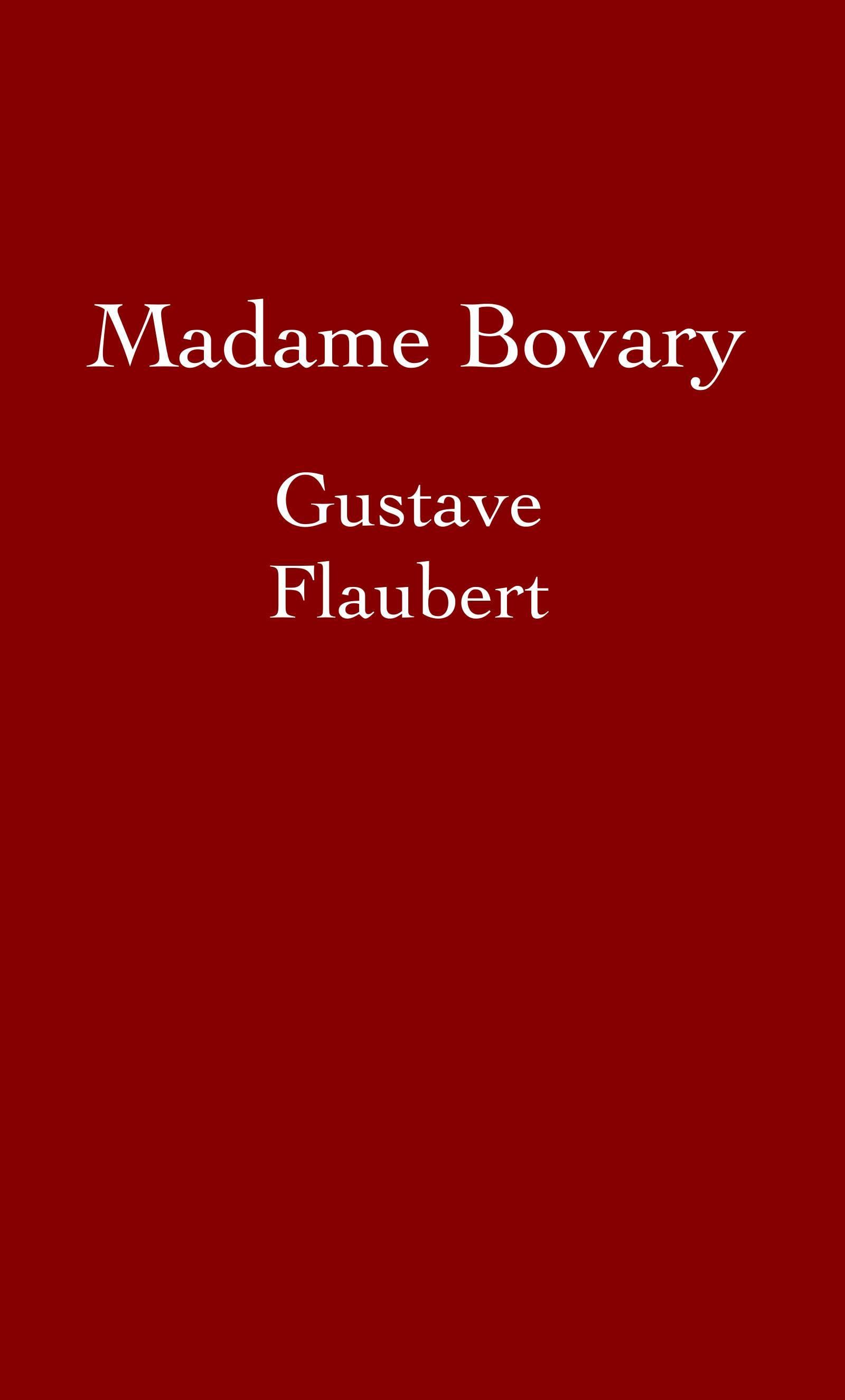
Madame Bovary
1856
Emma Bovary has read too many novels. That's her tragedy. Married to a dull country doctor in a provincial French town, she imagines herself the heroine of some sweeping romance, her heart perpetually elsewhere - with visiting aristocrats, with the smooth-talking clerk Léon, with anyone who might deliver her from the crushing banality of her daily life. She spends beyond her means, pursues affair after affair, and digs herself deeper into debt and despair. Flaubert watches it all with devastating precision, neither condemning nor condoning, simply rendering the textures of a life consumed by fantasy. Published in 1856, the novel caused an obscenity trial that made Flaubert famous before he was acquitted. What made the judges recoil was not salacity but sympathy - here was a novel that took a married woman's desires seriously, that showed how dreams can curdle into destruction. More than a century later, Emma Bovary remains the definitive portrait of wanting more than life can give.
Editions

X-Ray
“Human speech is like a cracked kettle on which we tap crude rhythms for bears to dance to, while we long to make music that will melt the stars.””
— Gustave Flaubert
“At the bottom of her heart, however, she was waiting for something to happen. Like shipwrecked sailors, she turned despairing eyes upon the solitude of her life, seeking afar off some white sail in the mists of the horizon. She did not know what this chance would be, what wind would bring it her, towards what shore it would drive her, if it would be a shallop or a three-decker, laden with anguish or full of bliss to the portholes. But each morning, as she awoke, she hoped it would come that day; she listened to every sound, sprang up with a start, wondered that it did not come; then at sunset, always more saddened, she longed for the morrow.””
— Gustave Flaubert
“She wanted to die, but she also wanted to live in Paris.””
— Gustave Flaubert
“Never touch your idols: the gilding will stick to your fingers."””
— Gustave Flaubert
“What better occupation, really, than to spend the evening at the fireside with a book, with the wind beating on the windows and the lamp burning bright...Haven't you ever happened to come across in a book some vague notion that you've had, some obscure idea that returns from afar and that seems to express completely your most subtle feelings?””
— Gustave Flaubert
“Love, she thought, must come suddenly, with great outbursts and lightnings,--a hurricane of the skies, which falls upon life, revolutionises it, roots up the will like a leaf, and sweeps the whole heart into the abyss.””
— Gustave Flaubert
“An infinity of passion can be contained in one minute, like a crowd in a small space.””
— Gustave Flaubert
“You forget everything. The hours slip by. You travel in your chair through centuries you seem to see before you, your thoughts are caught up in the story, dallying with the details or following the course of the plot, you enter into characters, so that it seems as if it were your own heart beating beneath their costumes.””
— Gustave Flaubert
“One's duty is to feel what is great, cherish the beautiful, and to not accept the conventions of society with the ignominy that it imposes upon us.””
— Gustave Flaubert
Link to this book
Add a free, dofollow link to Lex on your blog, forum, syllabus, or reading list.

<a href="https://lex-books.com/book/madame-bovary-8f117be3-75eb-43b3-9fa4-8760eac052f4"><img src="https://lex-books.com/badges/read-on-lex.svg" alt="Read Madame Bovary by Gustave Flaubert free on Lex" width="160" height="40"></a>[](https://lex-books.com/book/madame-bovary-8f117be3-75eb-43b3-9fa4-8760eac052f4)[url=https://lex-books.com/book/madame-bovary-8f117be3-75eb-43b3-9fa4-8760eac052f4][img]https://lex-books.com/badges/read-on-lex.svg[/img][/url]Read Madame Bovary by Gustave Flaubert free on Lex: https://lex-books.com/book/madame-bovary-8f117be3-75eb-43b3-9fa4-8760eac052f4Cite this book
Reading this edition for a paper or guide? Copy a citation.
Flaubert, Gustave. Madame Bovary. Lex, lex-books.com/book/madame-bovary-8f117be3-75eb-43b3-9fa4-8760eac052f4.Flaubert, G. (1856). Madame Bovary. Lex. https://lex-books.com/book/madame-bovary-8f117be3-75eb-43b3-9fa4-8760eac052f4Flaubert, Gustave. Madame Bovary. Lex. https://lex-books.com/book/madame-bovary-8f117be3-75eb-43b3-9fa4-8760eac052f4.