Lord of the World
1907
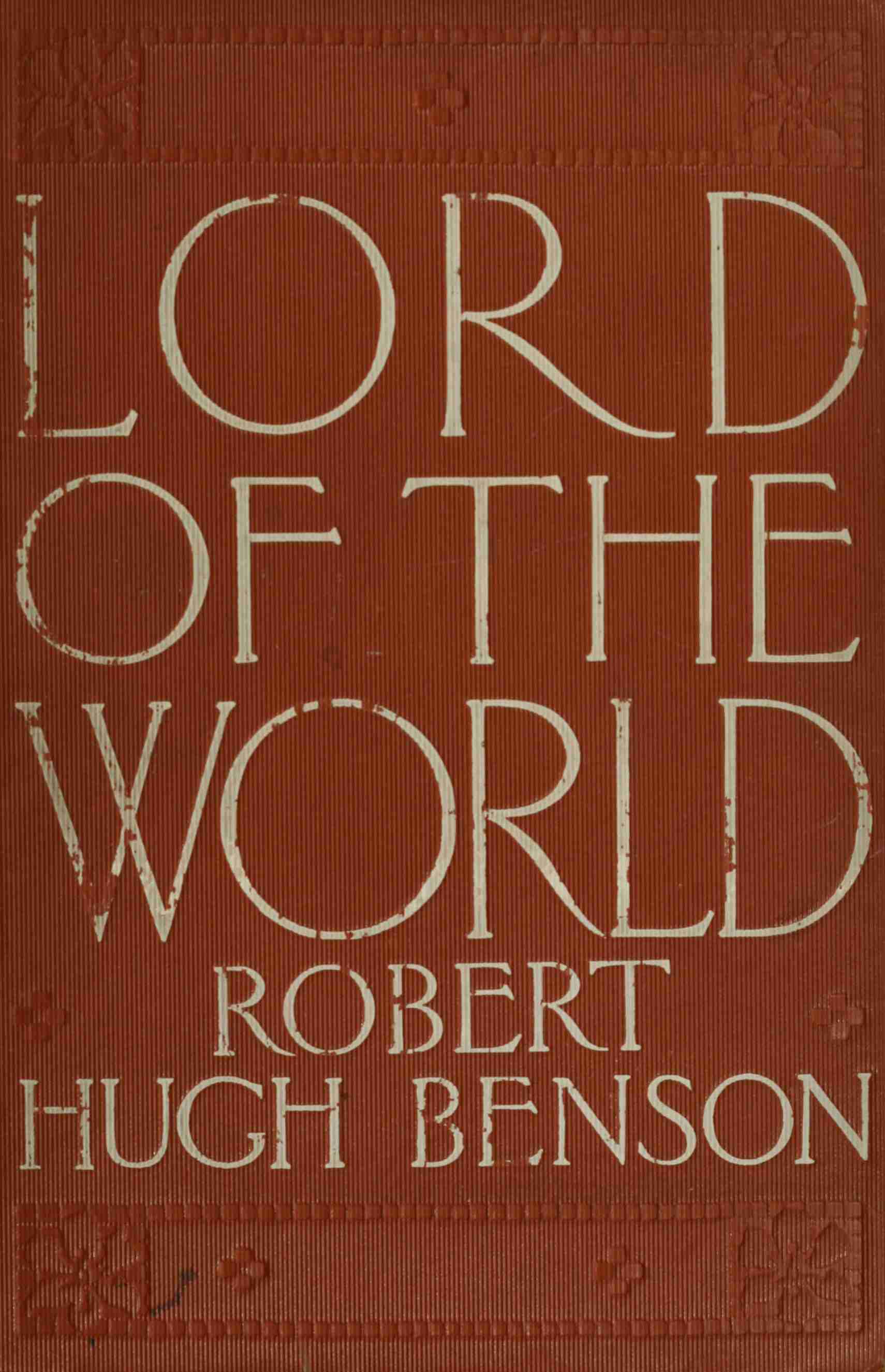
Lord of the World
1907
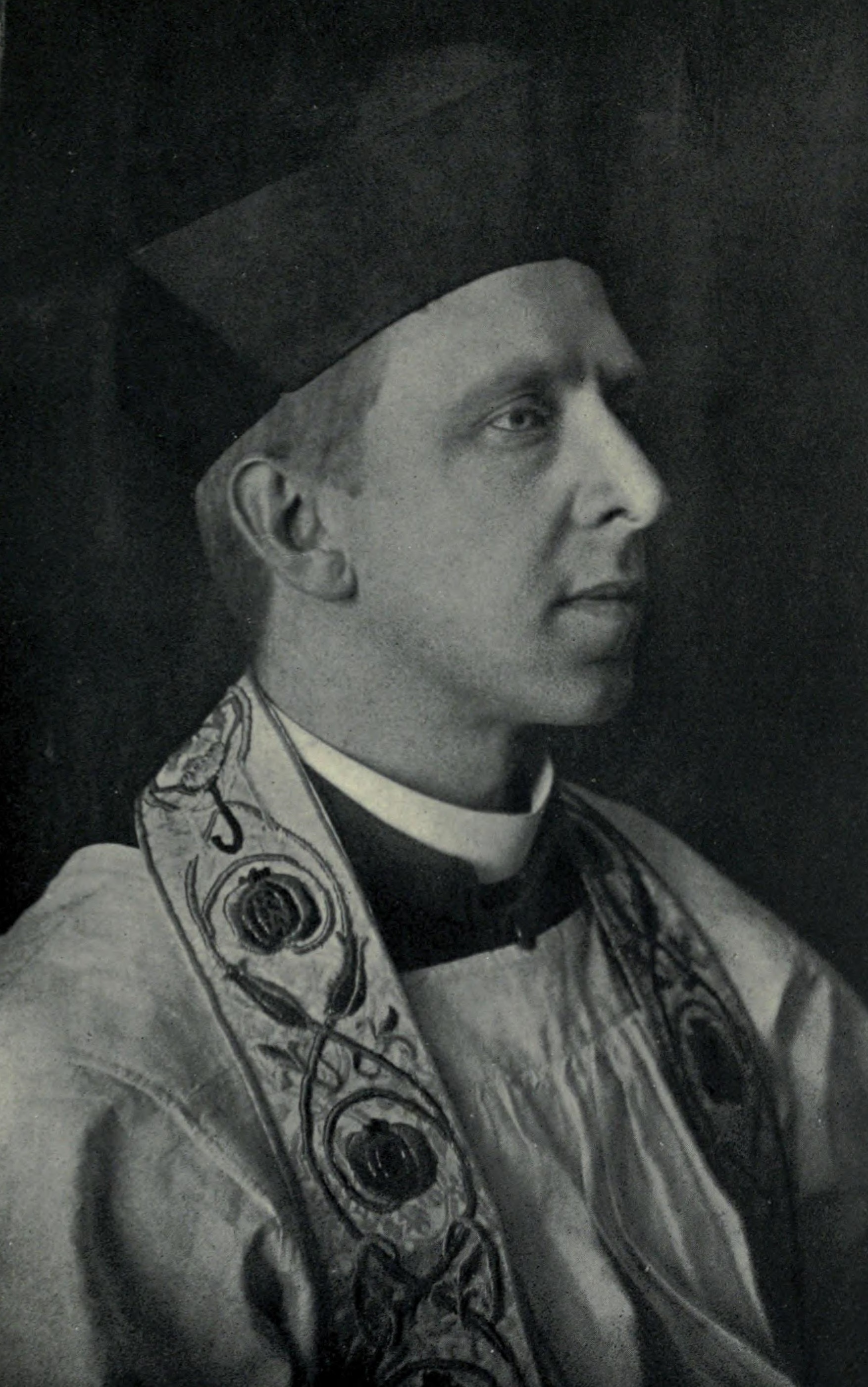
A century before Orwell imagined Big Brother, a Catholic priest foresaw the apocalypse of the modern age. Written in 1907, Lord of the World stands as the first English dystopian novel to imagine the end of history through the lens of religious apocalypse. Robert Hugh Benson, the son of an Archbishop of Canterbury who later converted to Catholicism, saw with uncanny clarity how a world that abandoned faith would bow before a new messiah. The novel unfolds in a near-future where Christianity has collapsed across Europe, the Catholic Church clings only to Italy and Ireland, and a unified world government has embraced euthanasia, eugenics, and what it calls "Humanitarianism" as its creed. Into this godless age steps Julian Felsenburgh, a charismatic figure of terrifying familiarity, who rises to command the Western world. But the most disturbing discovery awaits: Felsenburgh bears the exact face of Father Percy Franklin, the Catholic priest who will become Pope Silvester III. Benson was not writing speculation; he believed he was documenting the shape of inevitable judgment. The novel's power endures because we now inhabit the world he feared: a global order that replaces transcendence with ideology, that replaces worship of God with worship of humanity itself. Two Popes have called it prophetic. For readers of early science fiction, for those haunted by the question of what happens when faith dies, this remains a chilling, indispensable document.
Editions
X-Ray
“Friendliness took the place of charity, contentment the place of hope, and knowledge the place of faith.””
— Robert Hugh Benson
“Men do recognise at last that a supernatural Religion involves an absolute authority, and that Private Judgment in matters of faith is nothing else than the beginning of disintegration.””
— Robert Hugh Benson
“In the ages of faith a very inadequate grasp of religion would pass muster; in these searching days none but the humble and the pure could stand the test for long, unless indeed they were protected by a miracle of ignorance. The alliance of Psychology and Materialism did indeed seem, looked at from one angle, to account for everything; it needed a robust supernatural perception to understand their practical inadequacy.””
— Robert Hugh Benson
“Christianity is absurd and impossible. Now, you know, it cannot be that! It may be untrue--I am not speaking of that now, even though I am perfectly certain that it is absolutely true--but it cannot be absurd so long as educated and virtuous people continue to hold it. To say that it is absurd is simple pride; it is to dismiss all who believe in it as not merely mistaken, but unintelligent as well---””
— Robert Hugh Benson
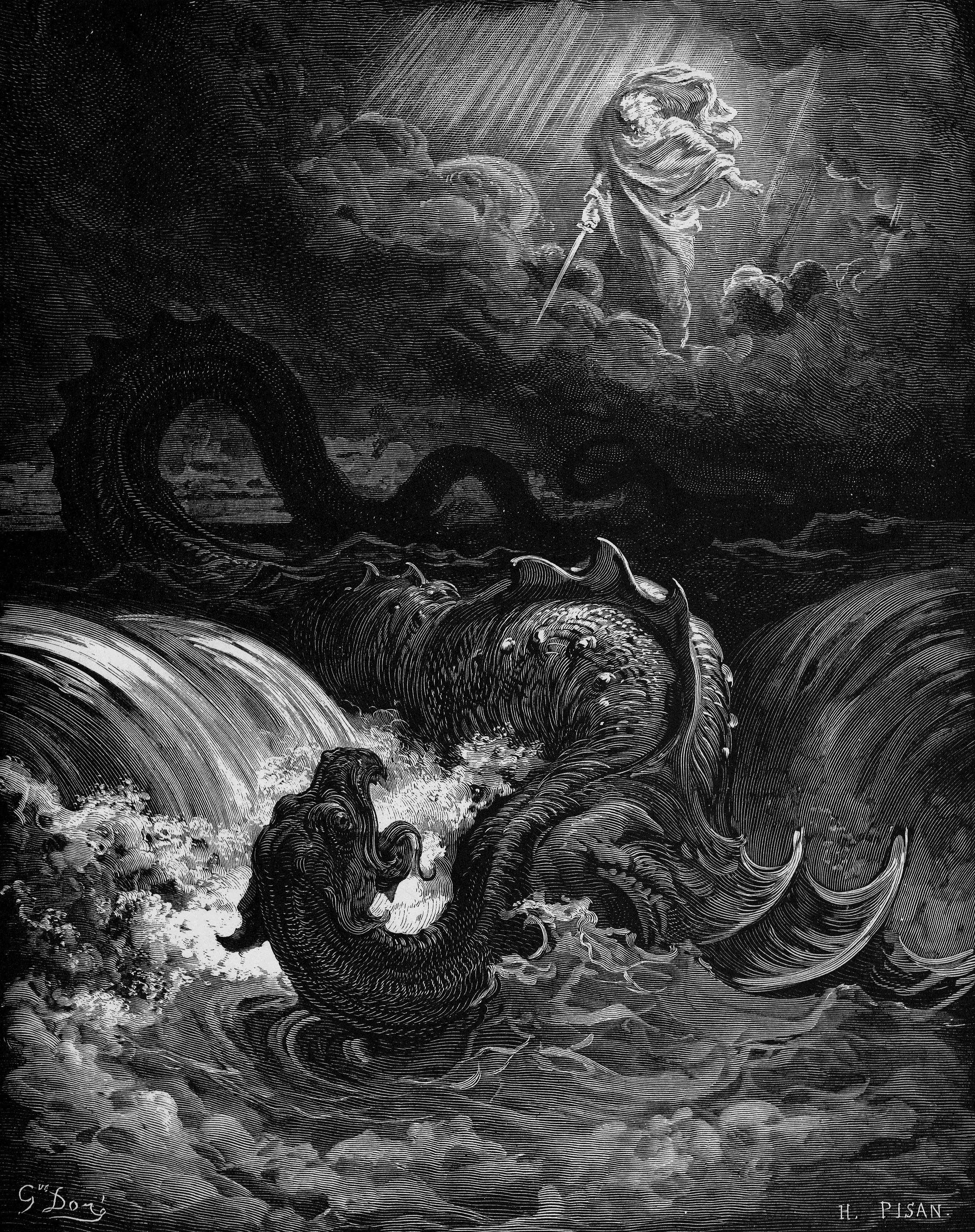
“It was incredible, she told herself, that this ravening monster, dripping blood from claws and teeth, that had arisen roaring in the night, could be the Humanity that had become her God. She had thought revenge and cruelty and slaughter to be the brood of Christian superstition, dead and buried under the new-born angel of light, and now it seemed that the monsters yet stirred and lived.””
— Robert Hugh Benson
“Yet Percy, even in the glimpses he had had in the streets, as he drove from the volor station outside the People's Gate, of the old peasant dresses, the blue and red-fringed wine carts, the cabbage-strewn gutters, the wet clothes flapping on strings, the mules and horses -- strange though these were, he had found them a refreshment. It had seemed to remind him that man was human, and not divine as the rest of the world proclaimed -- human, and therefore careless and individualistic; human, and therefore occupied with interests other than those of speed, cleanliness, and precision.””
— Robert Hugh Benson
“there were three processes through which God led the soul: the first was that of external faith, which assents to all things presented by the accustomed authority, practises religion, and is neither interested nor doubtful; the second follows the quickening of the emotional and perceptive powers of the soul, and is set about with consolations, desires, mystical visions and perils; it is in this plane that resolutions are taken and vocations found and shipwrecks experienced; and the third, mysterious and inexpressible, consists in the re-enactment in the purely spiritual sphere of all that has preceded (as a play follows a rehearsal), in which God is grasped but not experienced, grace is absorbed unconsciously and even distastefully, and little by little the inner spirit is conformed in the depths of its being, far within the spheres of emotion and intellectual perception, to the image and mind of Christ.””
— Robert Hugh Benson
“It was Positivism of a kind, Catholicism without Christianity, Humanity worship without its inadequacy. It was not man that was worshipped but the Idea of man, deprived of his supernatural principle. Sacrifice, too, was recognised”
— Robert Hugh Benson
“dedicating once more by a formal and deliberate act our souls and bodies to the heavenly Will and service of Him Who alone can rightly claim such offering,””
— Robert Hugh Benson
Link to this book
Add a free, dofollow link to Lex on your blog, forum, syllabus, or reading list.

<a href="https://lex-books.com/book/lord-of-the-world-3c8a93bc-df79-435a-a830-384315745160"><img src="https://lex-books.com/badges/read-on-lex.svg" alt="Read Lord of the World by Robert Hugh Benson free on Lex" width="160" height="40"></a>[](https://lex-books.com/book/lord-of-the-world-3c8a93bc-df79-435a-a830-384315745160)[url=https://lex-books.com/book/lord-of-the-world-3c8a93bc-df79-435a-a830-384315745160][img]https://lex-books.com/badges/read-on-lex.svg[/img][/url]Read Lord of the World by Robert Hugh Benson free on Lex: https://lex-books.com/book/lord-of-the-world-3c8a93bc-df79-435a-a830-384315745160Cite this book
Reading this edition for a paper or guide? Copy a citation.
Benson, Robert Hugh. Lord of the World. Lex, lex-books.com/book/lord-of-the-world-3c8a93bc-df79-435a-a830-384315745160.Benson, R. H. (1907). Lord of the World. Lex. https://lex-books.com/book/lord-of-the-world-3c8a93bc-df79-435a-a830-384315745160Benson, Robert Hugh. Lord of the World. Lex. https://lex-books.com/book/lord-of-the-world-3c8a93bc-df79-435a-a830-384315745160.