Leviathan
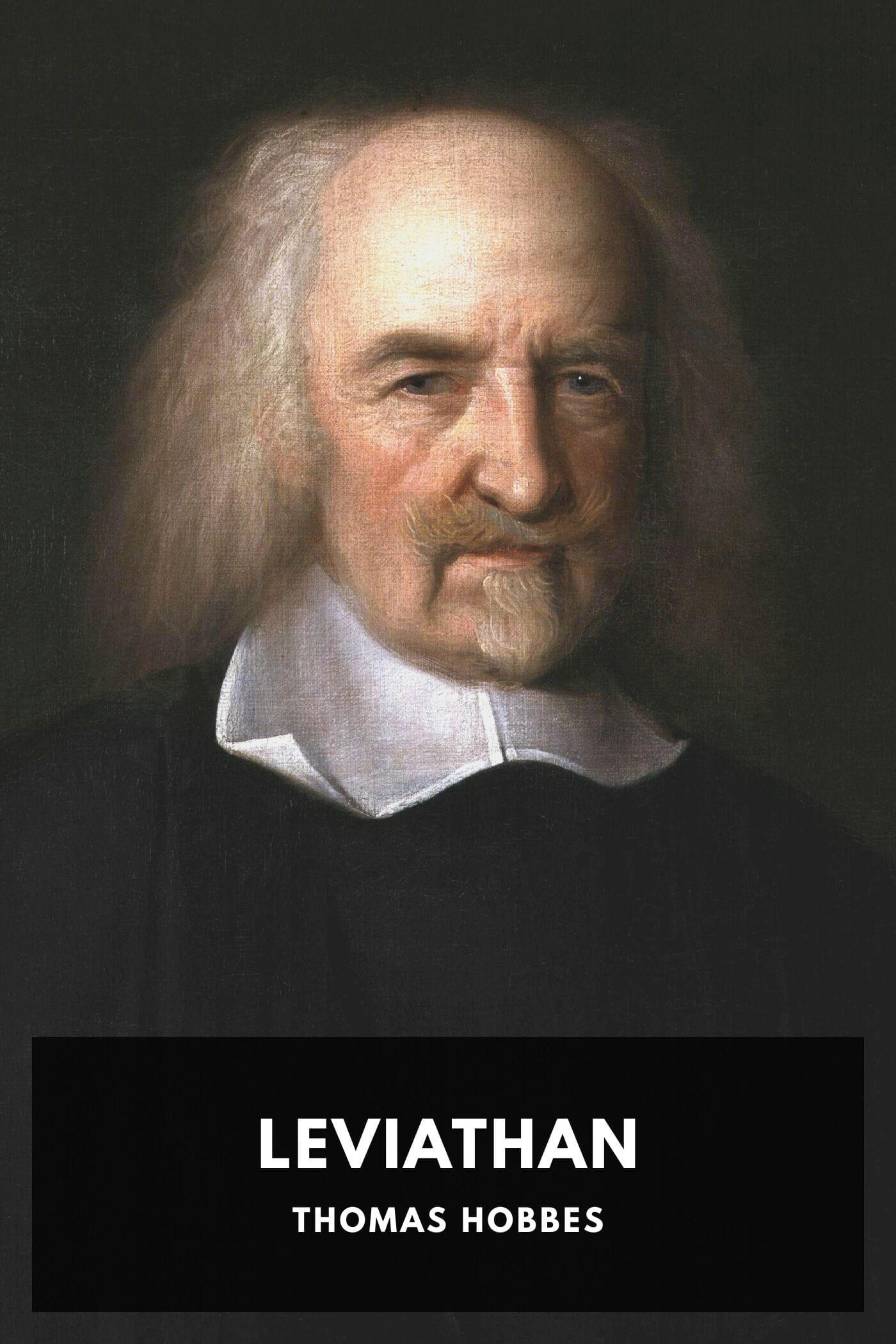
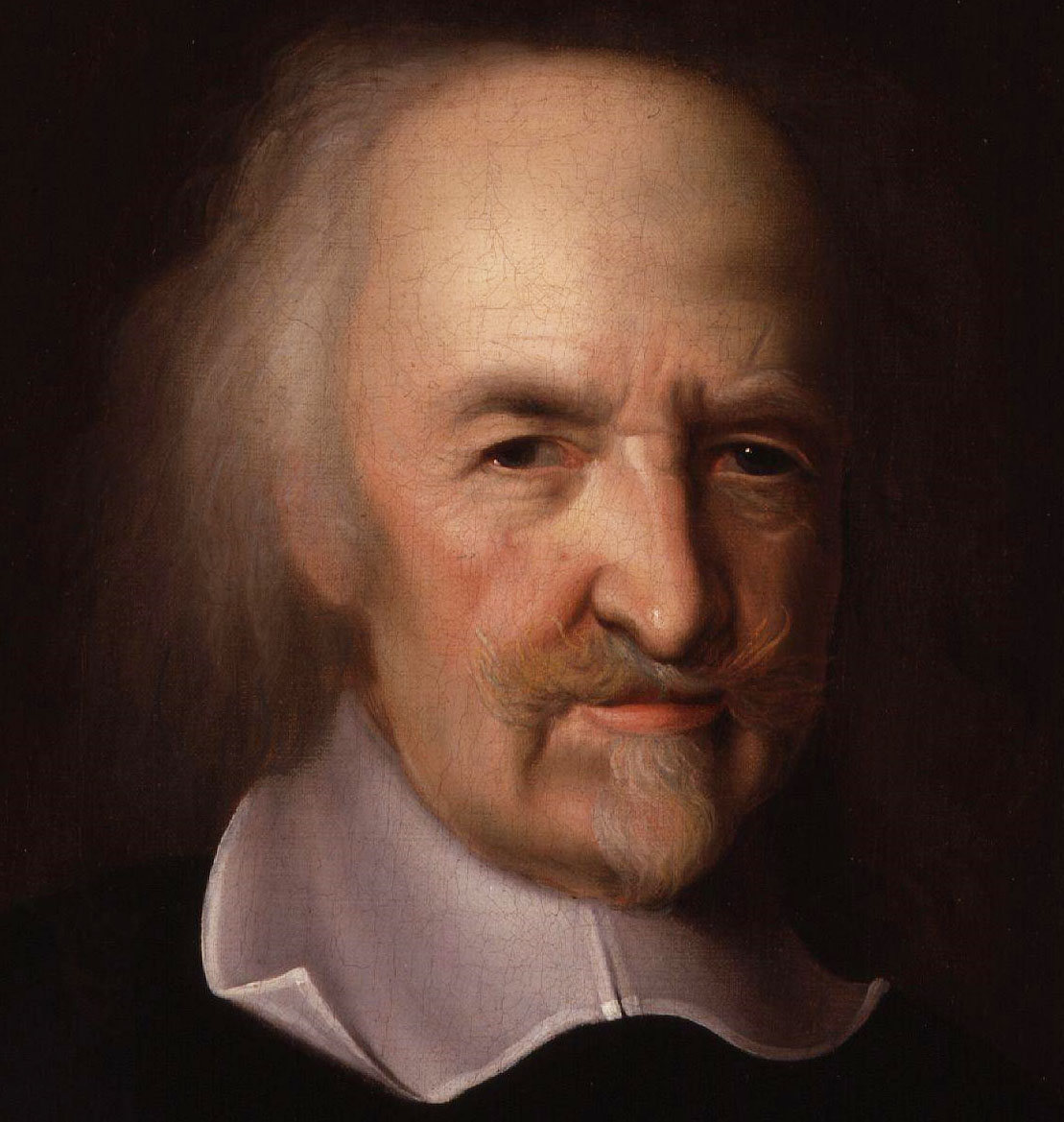
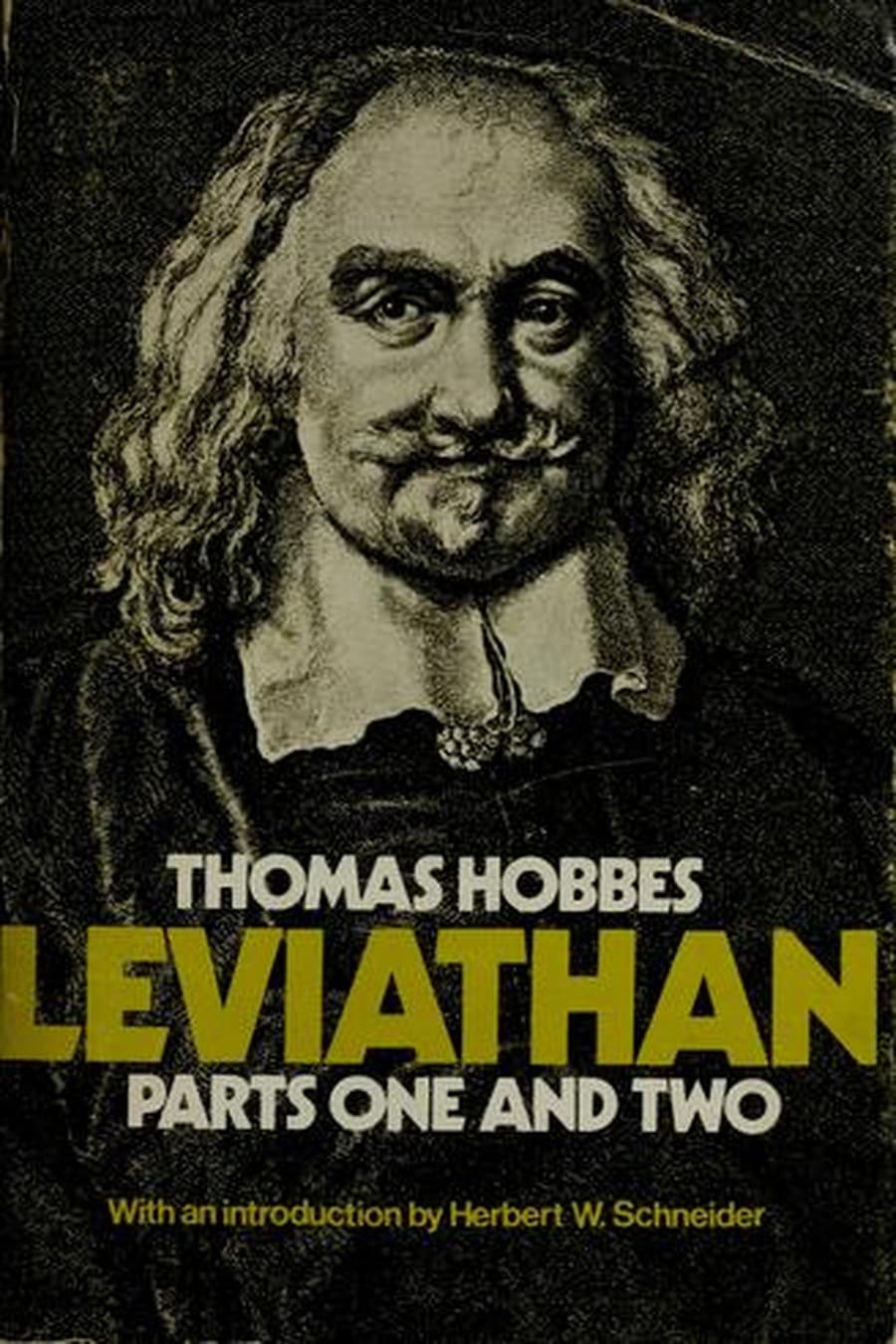
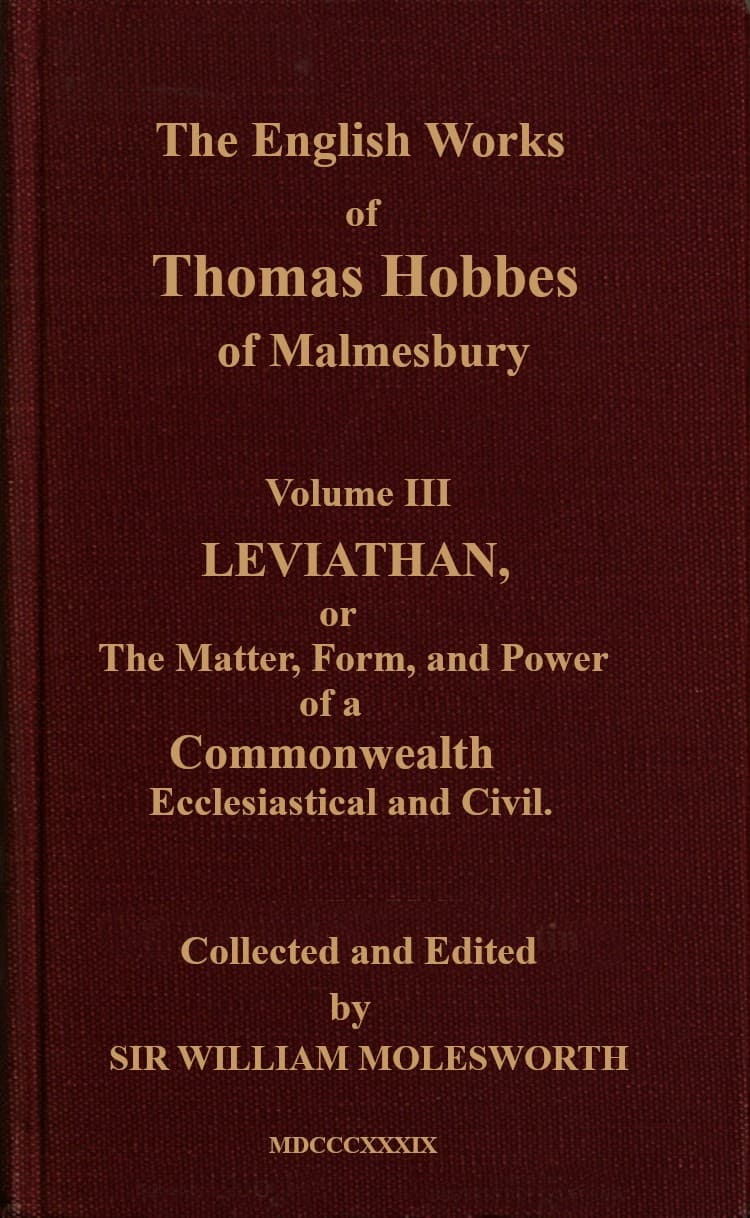
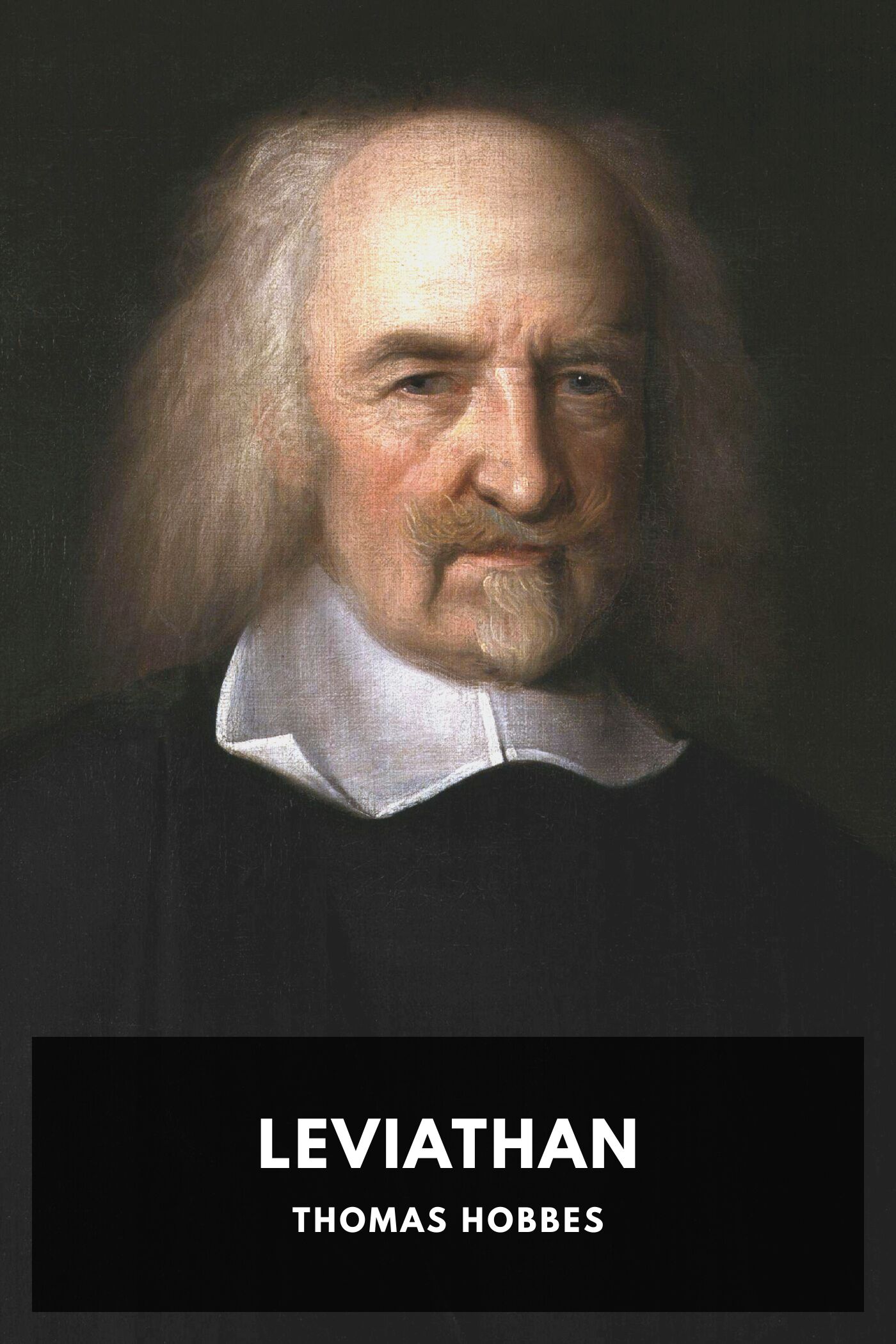
Imagine a world without rules, a "state of nature" where every person is pitted against another in a perpetual struggle for survival. Thomas Hobbes, in his monumental 1651 treatise *Leviathan*, posits just such a terrifying scenario, asserting that human life in this chaotic void is "solitary, poor, nasty, brutish, and short." To escape this hellscape, individuals rationally surrender some freedoms to an absolute sovereign power—the metaphorical Leviathan—in exchange for peace and security. Hobbes meticulously constructs a secular justification for this powerful state, arguing that its legitimacy stems not from divine right but from its capacity to prevent anarchy, thereby laying the groundwork for the social contract theory that would profoundly shape Western political thought.
Editions



Link to this book
Add a free, dofollow link to Lex on your blog, forum, syllabus, or reading list.

<a href="https://lex-books.com/book/leviathan-b6ac5de9-7c50-4a0c-936b-e8c93b372ced"><img src="https://lex-books.com/badges/read-on-lex.svg" alt="Read Leviathan by Thomas Hobbes free on Lex" width="160" height="40"></a>[](https://lex-books.com/book/leviathan-b6ac5de9-7c50-4a0c-936b-e8c93b372ced)[url=https://lex-books.com/book/leviathan-b6ac5de9-7c50-4a0c-936b-e8c93b372ced][img]https://lex-books.com/badges/read-on-lex.svg[/img][/url]Read Leviathan by Thomas Hobbes free on Lex: https://lex-books.com/book/leviathan-b6ac5de9-7c50-4a0c-936b-e8c93b372cedCite this book
Reading this edition for a paper or guide? Copy a citation.
Hobbes, Thomas. Leviathan. Lex, lex-books.com/book/leviathan-b6ac5de9-7c50-4a0c-936b-e8c93b372ced.Hobbes, T. (n.d.). Leviathan. Lex. https://lex-books.com/book/leviathan-b6ac5de9-7c50-4a0c-936b-e8c93b372cedHobbes, Thomas. Leviathan. Lex. https://lex-books.com/book/leviathan-b6ac5de9-7c50-4a0c-936b-e8c93b372ced.