Leviathan
1651
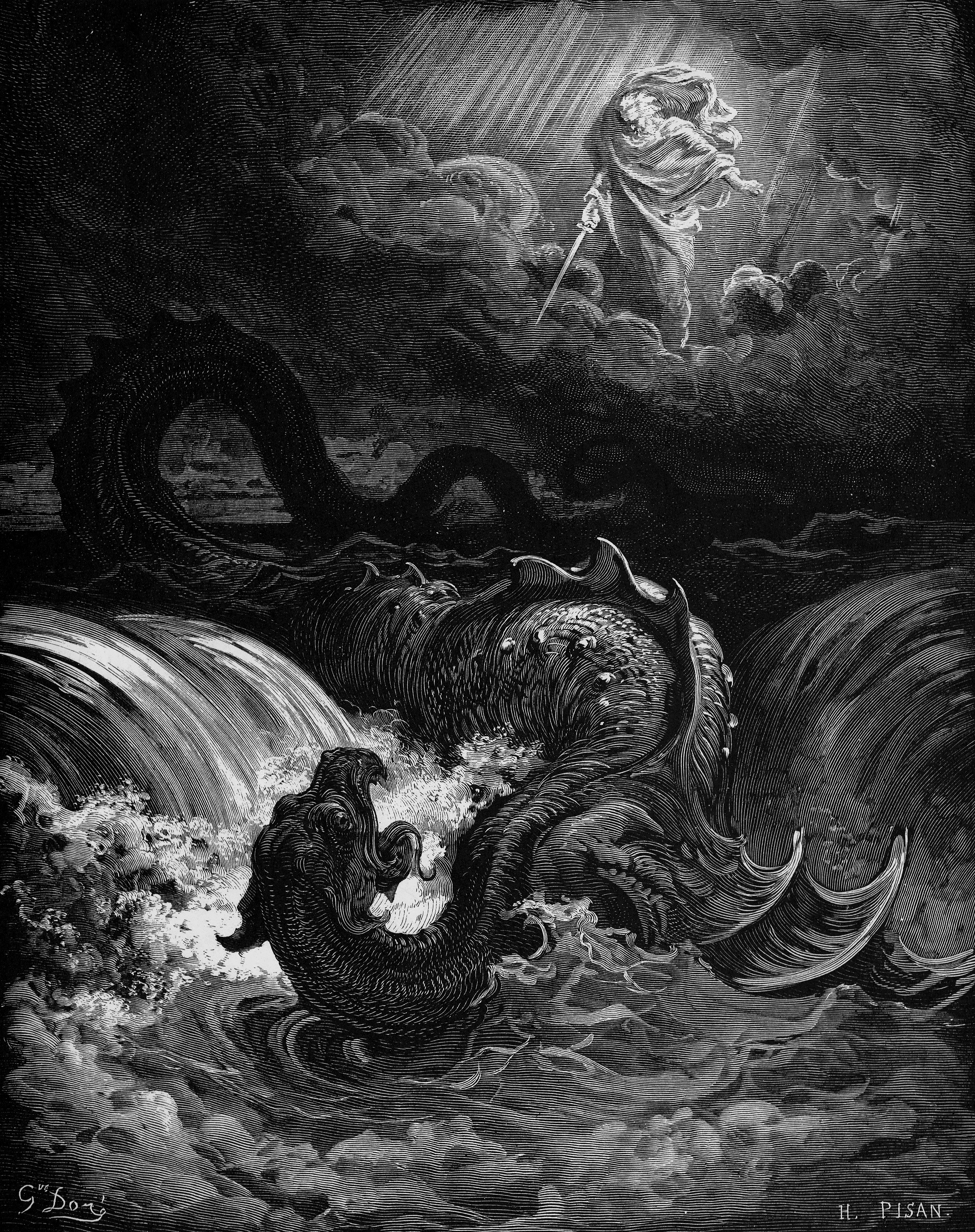
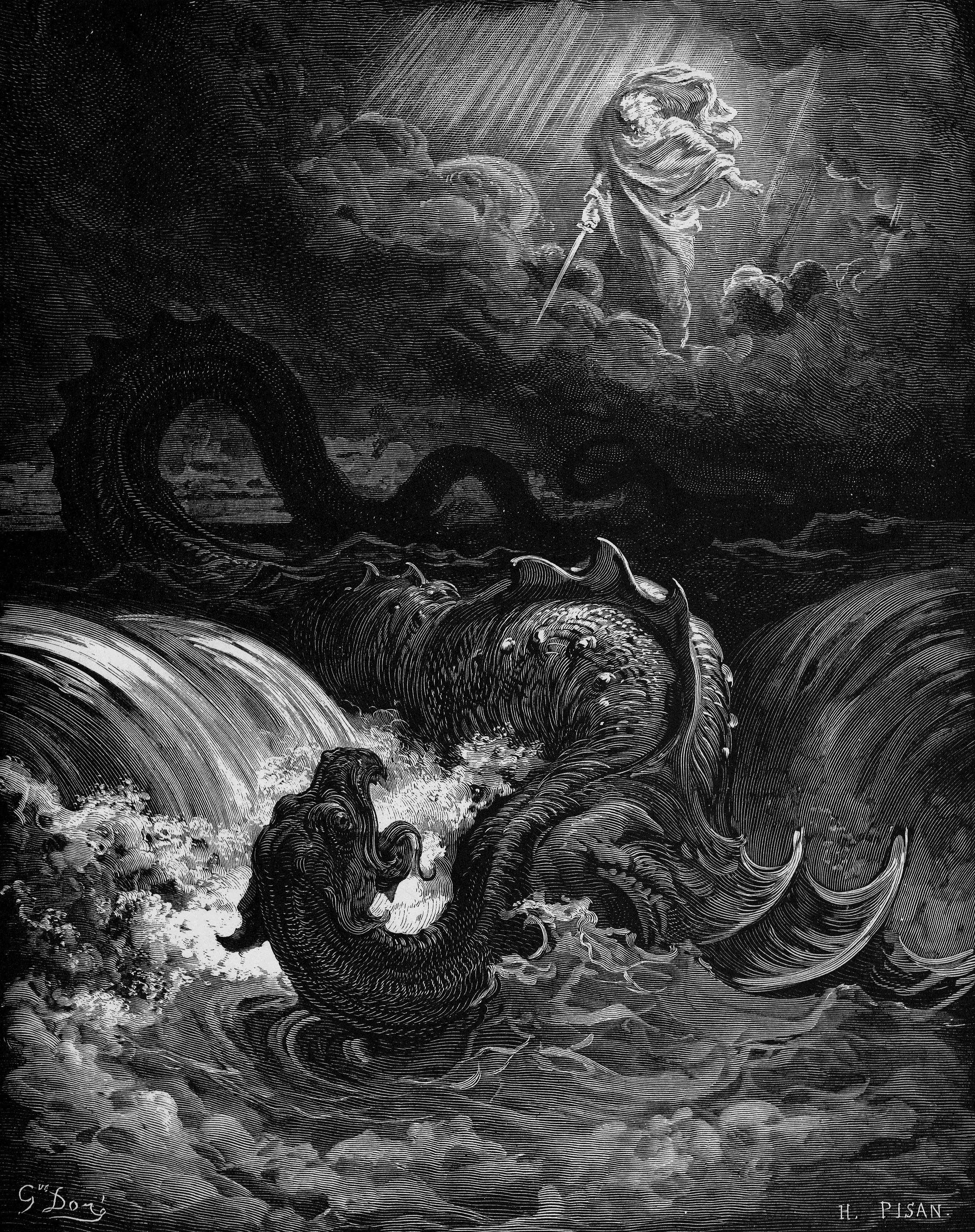
Written in the blood and chaos of the English Civil War, Leviathan attempts an impossible task: proving that civilization itself is a deliberate act of will. Thomas Hobbes strips human nature down to its brutal components - fear, desire, the relentless drive for self-preservation - and arrives at a conclusion that shocked his contemporaries and still provces today. In the absence of authority, life truly is solitary, poor, nasty, brutish, and short. The only alternative to endless conflict is the social contract: individuals surrendering their freedom to a sovereign power capable of enforcing peace. Hobbes calls this entity the Leviathan, a metaphorical sea monster, because only something vast and terrible can contain the even greater terrors of human violence. The book was burned upon publication, condemned as seditious, yet it inaugurated the modern study of political philosophy. Its questions persist: What do we owe the state? What does the state owe us? Where does legitimate authority end and tyranny begin? Hobbes offers no comfortable answers. He offers instead a mirror.
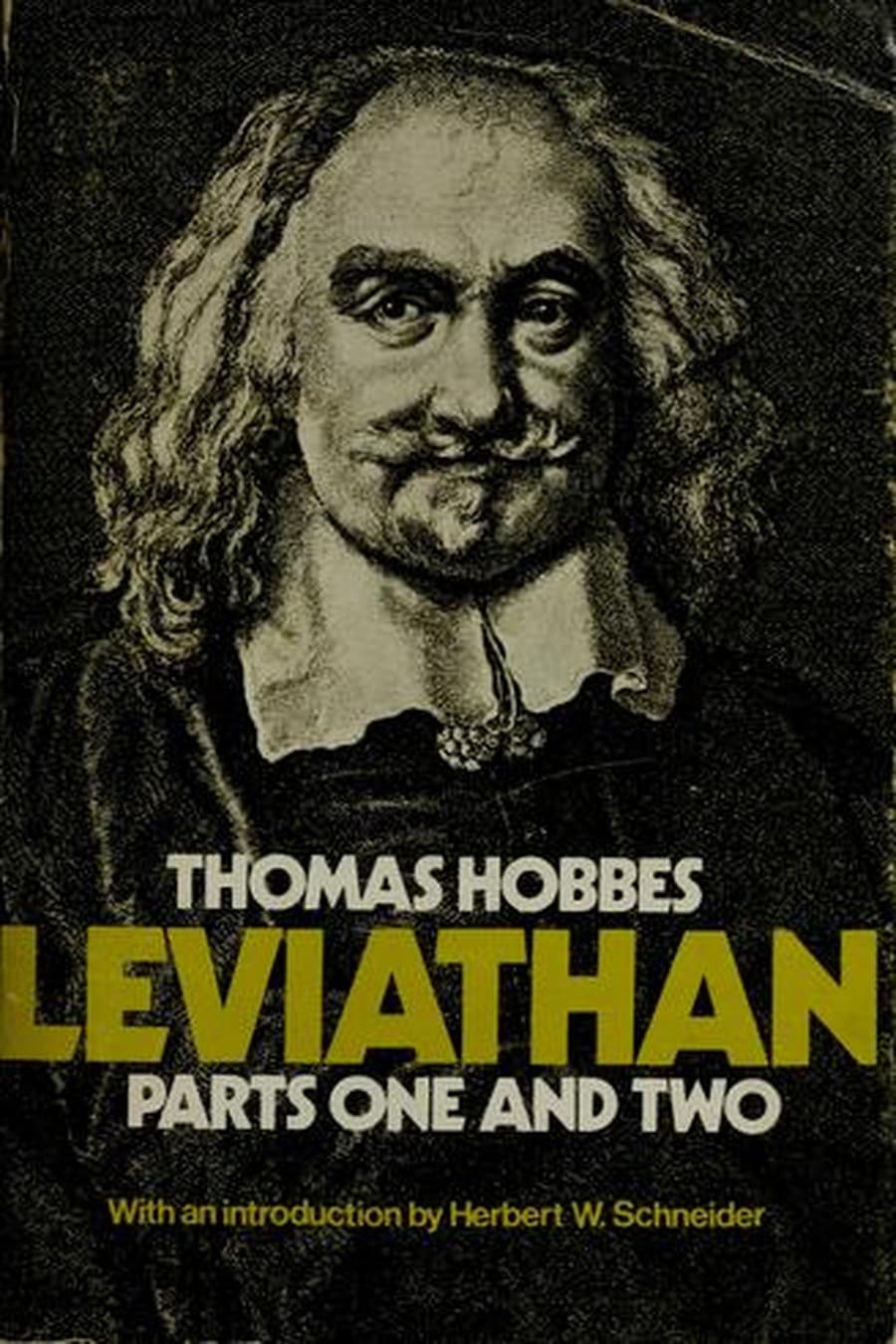
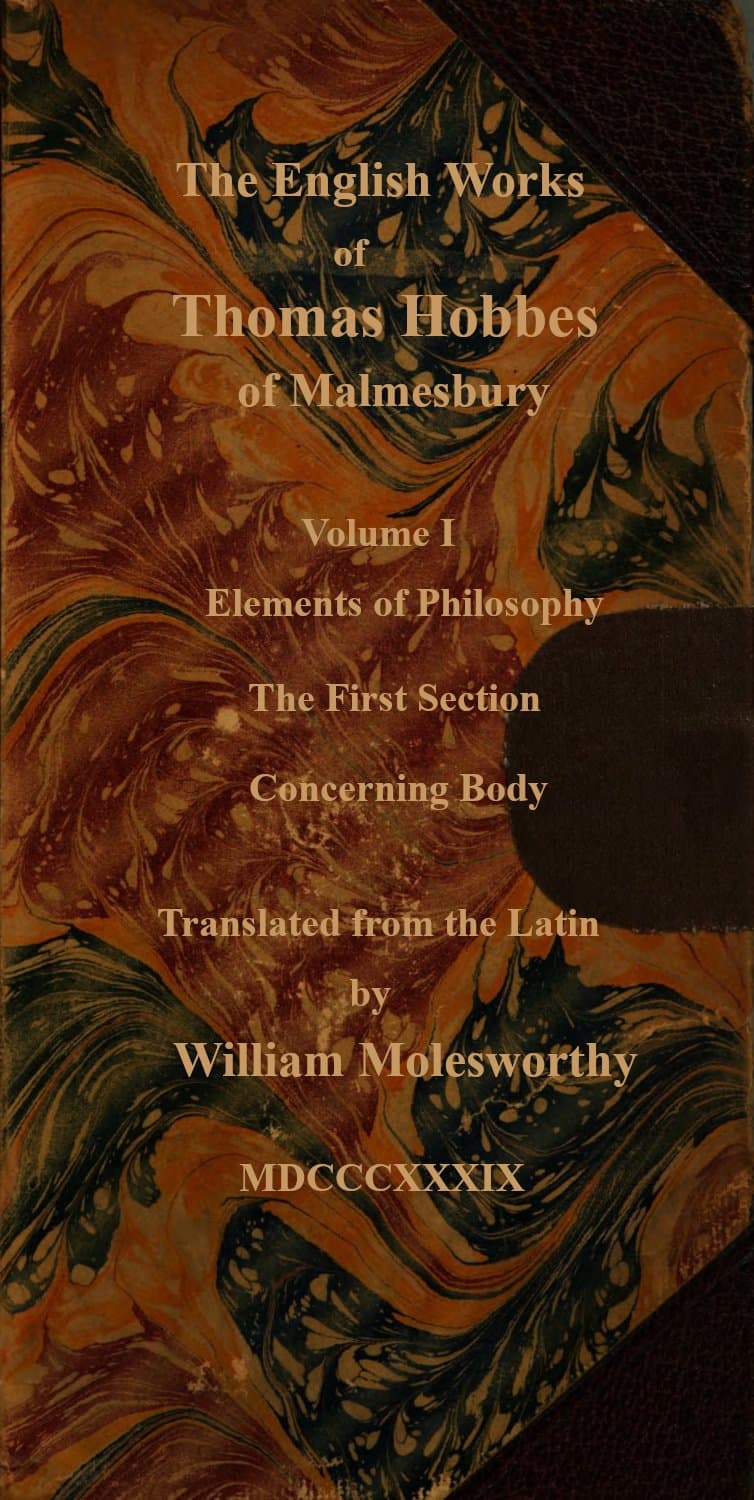
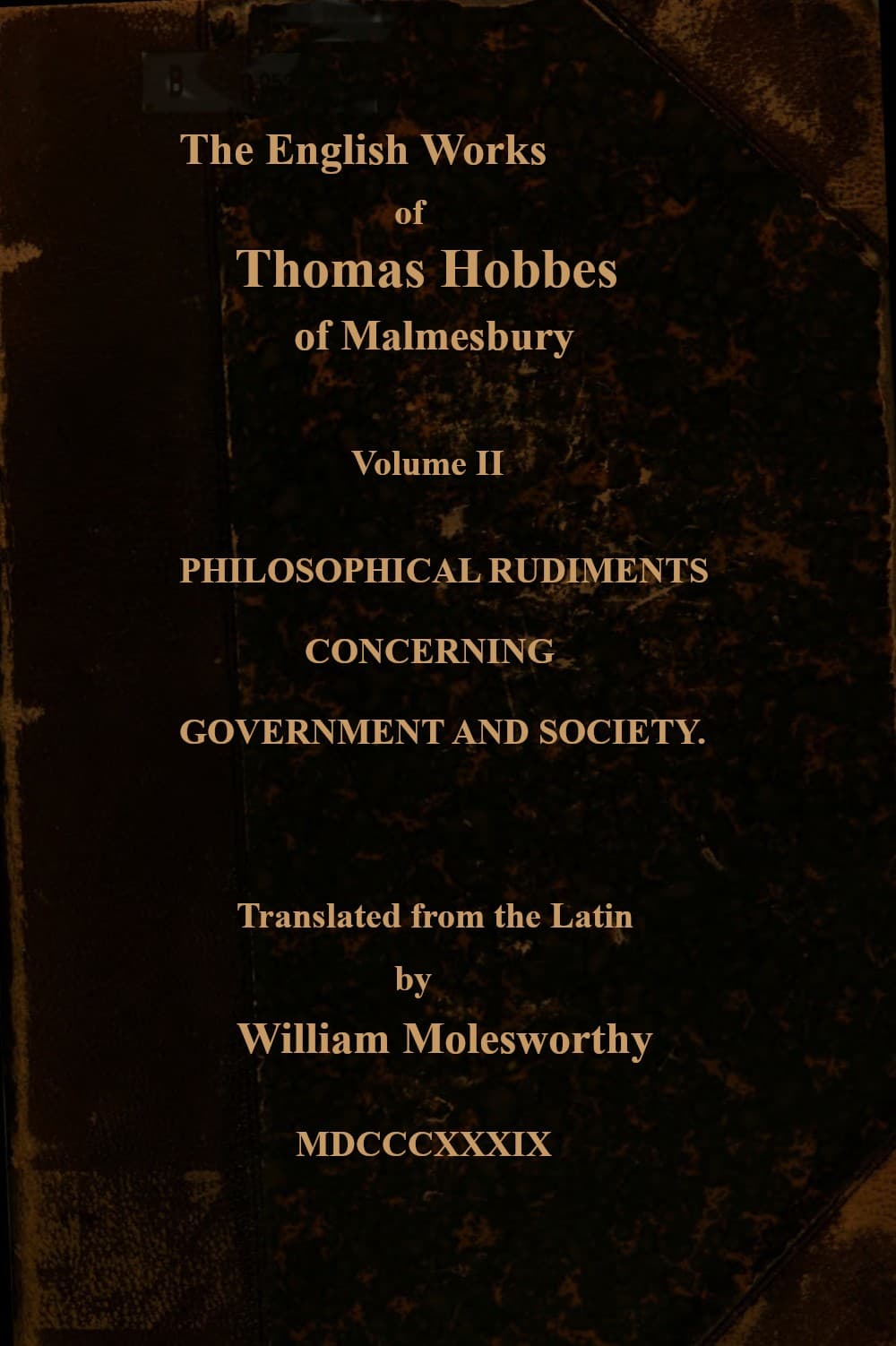
Editions


X-Ray
“Hell is truth seen too late.””
— Thomas Hobbes
“Knowledge is power.””
— Thomas Hobbes
“For such is the nature of man, that howsoever they may acknowledge many others to be more witty, or more eloquent, or more learned; Yet they will hardly believe there be many so wise as themselves: For they see their own wit at hand, and other mens at a distance.””
— Thomas Hobbes
“The source of every crime, is some defect of the understanding; or some error in reasoning; or some sudden force of the passions. Defect in the understanding is ignorance; in reasoning, erroneous opinion.””
— Thomas Hobbes
“So that in the nature of man,we find three principal causes of quarrel:First, Competition;Secondly, Dissidence;Thirdly, Glory.The first, maketh men invade for Gain;the second, for Safety;and the third, for Reputation.The first use Violence, to make themselves Masters of other men's persons, wives, children and cattle;the second, to defend them;the third, for trifles, as a word, a smile, a different opinion, and any other sign of undervalue, either direct in their Persons, or by reflexion in their Kindred, their Friends, their Nation, their Profession, or their Name.””
— Thomas Hobbes
“Covenants, without the sword, are but words and of no strength to secure a man at all.””
— Thomas Hobbes
“Homo homini lupus””
— Thomas Hobbes
“No arts; no letters; no society; and which is worst of all, continual fear and danger of violent death; and the life of man solitary, poor, nasty, brutish, and short.””
— Thomas Hobbes
“For it can never be that war shall preserve life, and peace destroy it.””
— Thomas Hobbes
About Leviathan
Chapter Summaries
- THE INTRODUCTION
- Hobbes introduces the Commonwealth as an 'Artificiall Man' or 'Leviathan,' created by human art to imitate nature and provide protection. He outlines the book's structure: first, the matter and artificer (man); second, how the Commonwealth is made and preserved; third, a Christian Commonwealth; and fourth, the Kingdom of Darkness. He emphasizes the importance of 'Nosce Teipsum' (Read Thy Self) to understand mankind's passions and thoughts.
- I
- This chapter defines 'Sense' as the original appearance or representation of external objects, caused by the pressure and motion of these objects on our organs. Hobbes critiques the scholastic doctrine of 'Visible Species' and 'Intelligible Species,' arguing that such concepts lead to 'insignificant Speech' and obscure true understanding.
- II
- Imagination is defined as 'Decaying Sense,' the lingering image of things seen after the object is removed. Memory is distinguished from imagination by signifying the decay of sense, and much memory is called experience. Dreams are imaginations in sleep, and apparitions or visions are often strong fancies mistaken for reality, especially in timorous or superstitious individuals.
Key Themes
- Sovereignty and Political Authority
- Hobbes argues for an absolute and indivisible sovereign power, whether held by a monarch or an assembly, as the sole means to maintain peace and prevent civil war. This authority is derived from the social contract, where individuals transfer their rights to govern themselves to the sovereign.
- Human Nature and the State of Nature
- Hobbes posits that in the 'state of nature,' without a common power, human life is 'solitary, poor, nasty, brutish, and short' due to inherent equality, diffidence, and the restless desire for power. This grim view of human nature underpins the necessity of a strong government.
- Social Contract Theory
- The book elaborates on the idea that a Commonwealth is formed by a mutual covenant among individuals to give up their natural rights to a sovereign. This contract is not between the subjects and the sovereign, but among the subjects themselves, making the sovereign's power absolute and irrevocable.
Characters
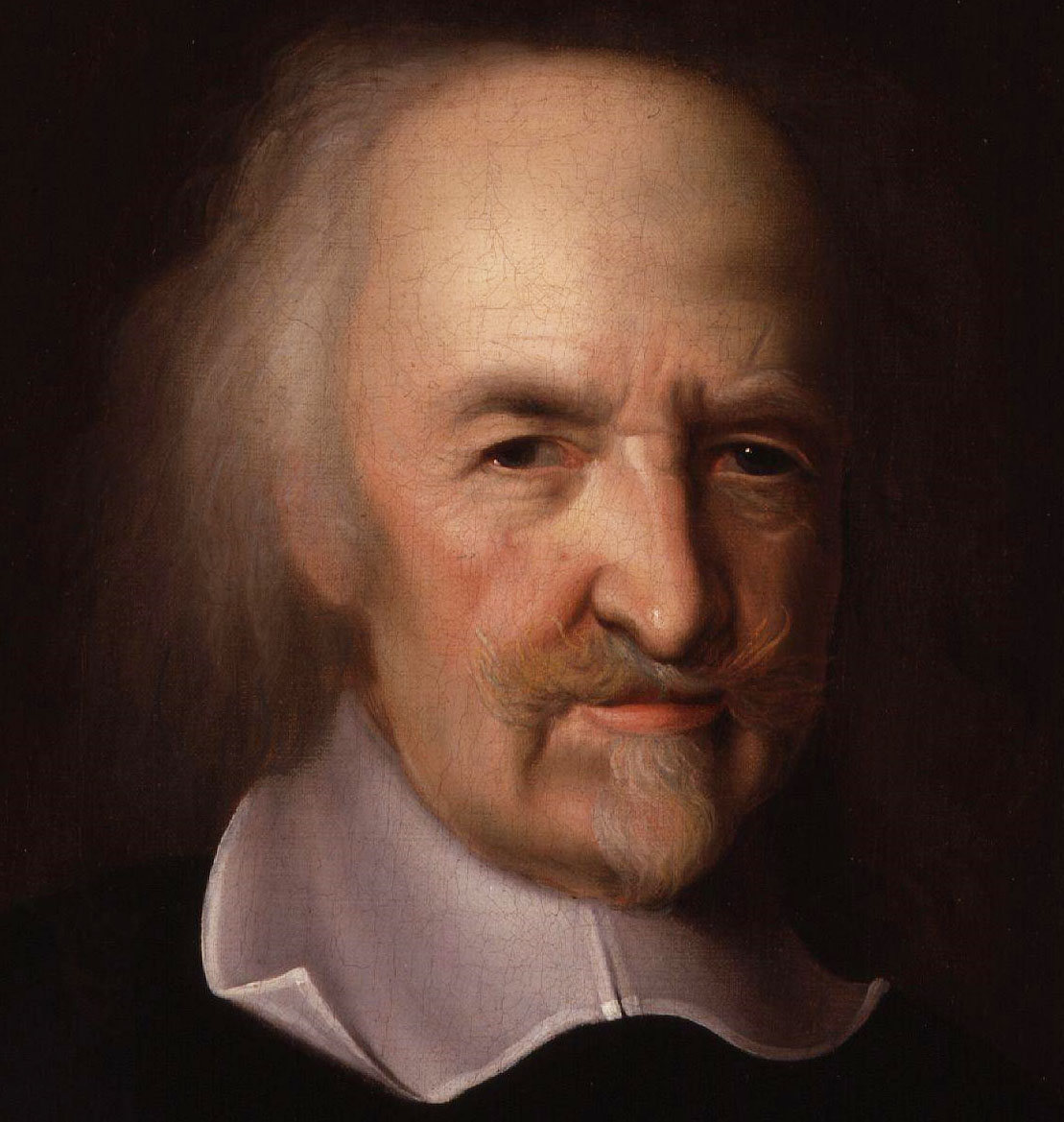
- Thomas Hobbes(author)
- The author of 'Leviathan,' who presents his philosophical arguments on the nature of man and the state.
- The Sovereign(protagonist)
- The ultimate authority, whether a monarch or an assembly, whose absolute power is necessary for peace and defense in a Commonwealth.
- The Subject(supporting)
- Any individual living under the authority of the Sovereign, bound by civil laws and covenants for their own preservation and peace.
- God(supporting)
- The ultimate creator and governor of the world, whose eternal laws of nature bind all men and sovereigns.
- Mr. Francis Godolphin(minor)
- The friend to whom Hobbes dedicates his discourse on the Commonwealth.
- Aristotle(minor)
- An ancient Greek philosopher whose doctrines Hobbes frequently critiques, particularly regarding sense, reason, and political forms.
Link to this book
Add a free, dofollow link to Lex on your blog, forum, syllabus, or reading list.

<a href="https://lex-books.com/book/leviathan-609ba24d-54d8-4ab2-bff0-53c7e41656b9"><img src="https://lex-books.com/badges/read-on-lex.svg" alt="Read Leviathan by Thomas Hobbes free on Lex" width="160" height="40"></a>[](https://lex-books.com/book/leviathan-609ba24d-54d8-4ab2-bff0-53c7e41656b9)[url=https://lex-books.com/book/leviathan-609ba24d-54d8-4ab2-bff0-53c7e41656b9][img]https://lex-books.com/badges/read-on-lex.svg[/img][/url]Read Leviathan by Thomas Hobbes free on Lex: https://lex-books.com/book/leviathan-609ba24d-54d8-4ab2-bff0-53c7e41656b9Cite this book
Reading this edition for a paper or guide? Copy a citation.
Hobbes, Thomas. Leviathan. Lex, lex-books.com/book/leviathan-609ba24d-54d8-4ab2-bff0-53c7e41656b9.Hobbes, T. (1651). Leviathan. Lex. https://lex-books.com/book/leviathan-609ba24d-54d8-4ab2-bff0-53c7e41656b9Hobbes, Thomas. Leviathan. Lex. https://lex-books.com/book/leviathan-609ba24d-54d8-4ab2-bff0-53c7e41656b9.