Letters on England
1733
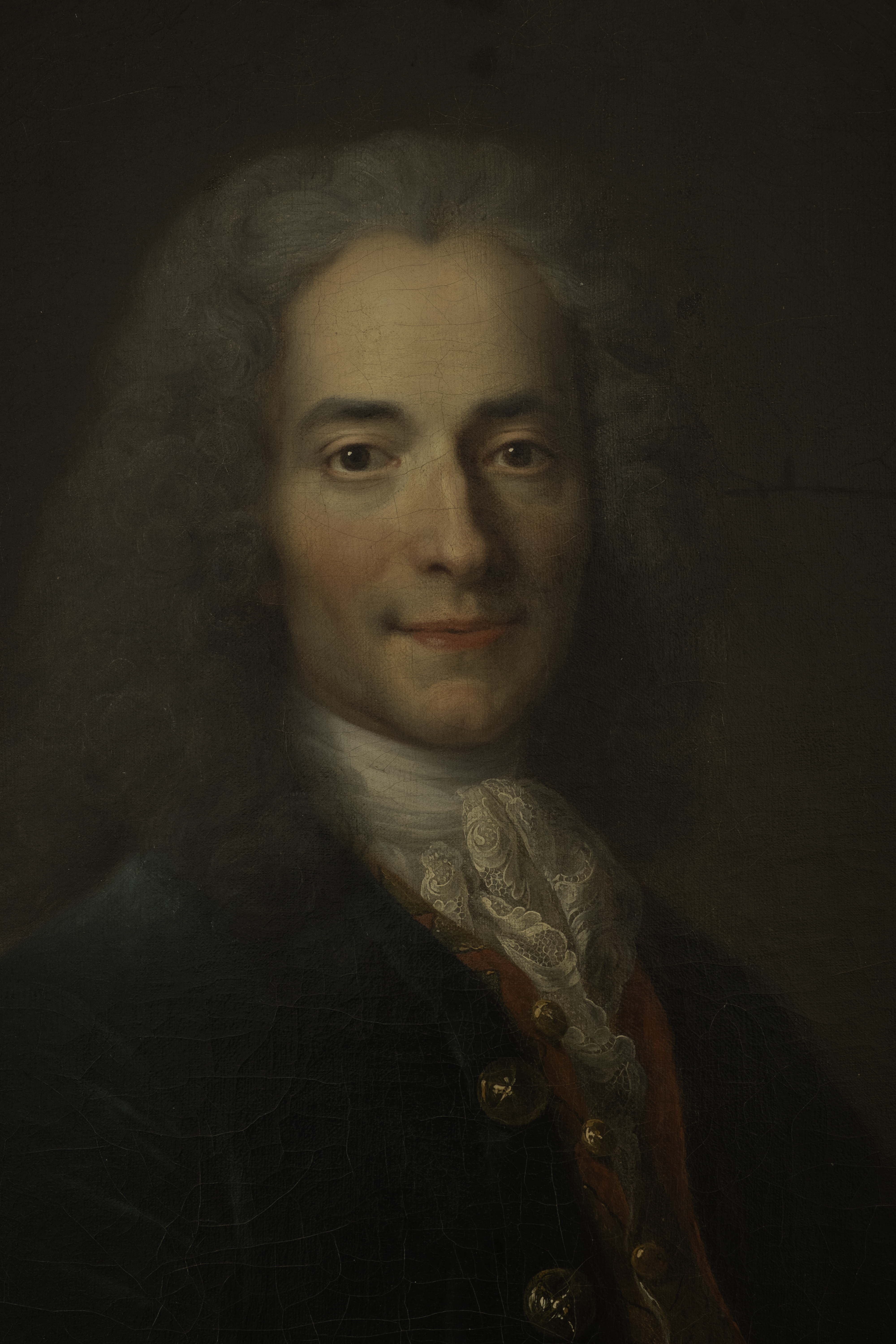
After three years in exile, Voltaire returned to France with something dangerous: respect for another nation's freedoms. These letters are his attempt to explain England to his compatriots, and the result is a work of extraordinary wit and pointed admiration. He writes about Quakers and Parliament, Newton and Locke, with an outsider's keen eye that never stops being amused. The Quakers especially delight him - their plain dress and plain speaking become a lens through which Voltaire critiques French absurdity. But this is no simple paean. Voltaire admires English religious tolerance and parliamentary government while quietly asking: why must France remain so backward? The satire is gentle, the irony ever-present, but the message is clear. Banned in France upon publication, Letters on England became the book that taught a nation to look enviously across the Channel and question its own institutions.
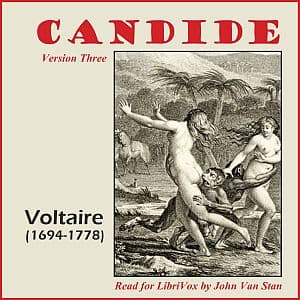
Editions
X-Ray
“The necessity of saying something, the perplexity of having nothing to say, and a desire of being witty, are three circumstances which alone are capable of making even the greatest writer ridiculous. ””
— Voltaire
“Human reason is so little able, merely by its own strength, to demonstrate the immortality of the soul, that it was absolutely necessary religion should reveal it to us. It is of advantage to society in general, that mankind should believe the soul to be immortal; faith commands us to do this; nothing more is required, and the matter is cleared up at once. ””
— Voltaire
“this thought has met with the fate of many other useful projects, of being applauded and neglected.””
— Voltaire
“...humour when explained is no longer humour.””
— Voltaire
“وتجد بين من يقرأون عشرين يطالعون رواياتٍ في مقابل واحد يدرس الفلسفة، فعدد من يفكرون قليلٌ إلى الغاية ، ولا يعنّ لهؤلاء أن يكدروا صفو العالم.””
— Voltaire
“He was natural and sublime, but had not so much as a single spark of good taste, or knew one rule of the drama. ””
— Voltaire
“Descartes gave sight to the blind. These saw the errors of antiquity and of the sciences. The path he struck out is since become boundless [....] In fathoming this abyss no bottom has been found. We are now to examine what discoveries Sir Isaac Newton has made in it.””
— Voltaire
“The very essence of things is totally changed. You neither are agreed upon the definition of the soul nor on that of matter. Descartes, as I observed in my last, maintains that the soul is the same thing with thought, and Mr. Locke has given a pretty good proof of the contrary. Descartes asserts farther, that extension alone constitutes matter, but Sir Isaac adds solidity to it. How furiously contradictory are these opinions! Non nostrum inter vos tantas componere lites (Virgil).””
— Voltaire
“That man claims our respect, who commands over the minds of the rest of the world by the force of truth, not those who enslave their fellow creatures; he who is acquainted with the universe, not they who deface it.””
— Voltaire
Link to this book
Add a free, dofollow link to Lex on your blog, forum, syllabus, or reading list.

<a href="https://lex-books.com/book/letters-on-england-c3f2eb6c-2476-46df-bdbc-c2005c82bbf5"><img src="https://lex-books.com/badges/read-on-lex.svg" alt="Read Letters on England by Voltaire free on Lex" width="160" height="40"></a>[](https://lex-books.com/book/letters-on-england-c3f2eb6c-2476-46df-bdbc-c2005c82bbf5)[url=https://lex-books.com/book/letters-on-england-c3f2eb6c-2476-46df-bdbc-c2005c82bbf5][img]https://lex-books.com/badges/read-on-lex.svg[/img][/url]Read Letters on England by Voltaire free on Lex: https://lex-books.com/book/letters-on-england-c3f2eb6c-2476-46df-bdbc-c2005c82bbf5Cite this book
Reading this edition for a paper or guide? Copy a citation.
Voltaire. Letters on England. Lex, lex-books.com/book/letters-on-england-c3f2eb6c-2476-46df-bdbc-c2005c82bbf5.Voltaire (1733). Letters on England. Lex. https://lex-books.com/book/letters-on-england-c3f2eb6c-2476-46df-bdbc-c2005c82bbf5Voltaire. Letters on England. Lex. https://lex-books.com/book/letters-on-england-c3f2eb6c-2476-46df-bdbc-c2005c82bbf5.