Letters on Demonology and Witchcraft
1830
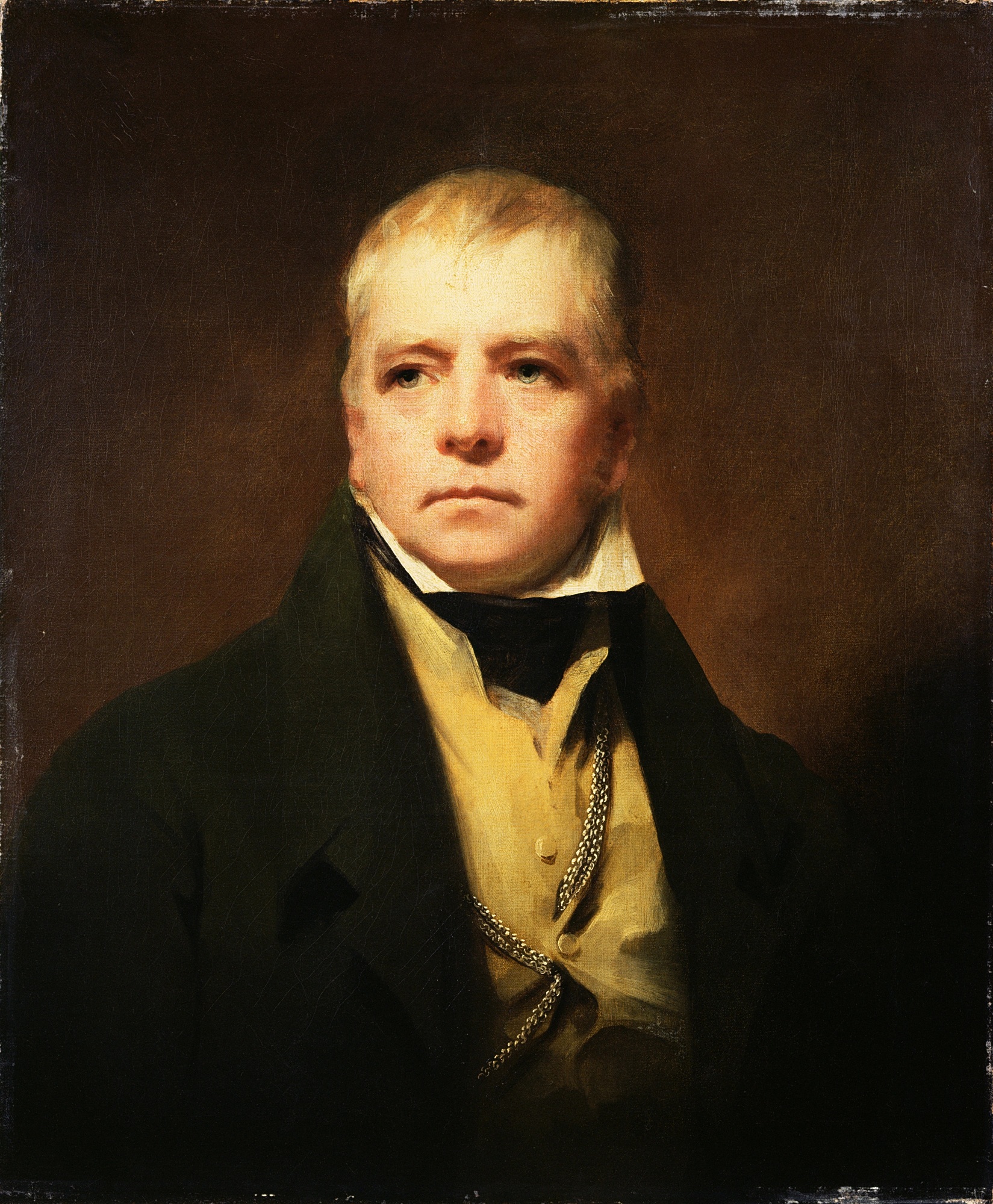
In 1830, Sir Walter Scott was recovering from a stroke, nearly ruined financially, and desperate for income when his son-in-law asked him to write about witchcraft and demons. What emerged is neither a dismissive Enlightenment screed nor a credulous antiquarian's catalog, but something far more fascinating: a quietly radical examination of why human beings, even in an age of advancing science, cannot stop believing in the supernatural. Drawing on centuries of treatises, trial records, and contemporary accounts from England, Europe, and colonial America, Scott dissects witch trials with unflinching horror (Letters Eight and Nine detailing the torture and execution of the accused are devastating). He explores why grieving widows see their dead husbands, why communities turn on supposed covens, and why even skeptical philosophers struggle to explain away apparitions. Yet Scott himself remains impossible to pin down: skeptical of the new "science" of phrenology yet unwilling to mock the folk beliefs of ordinary people. The book essentially functions as a template for everything that would become Victorian Gothic fiction. Its analytical compassion toward belief, its collection of spectral anecdotes, and its understanding that fear and imagination are as real as any physical evidence influenced generations of writers. It endures because Scott understood something most Enlightenment thinkers missed: the supernatural isn't about whether ghosts exist, but about what humans need to believe.
Editions
X-Ray
“there can, we think, be little doubt of the proposition, that the external organs may, from various causes, become so much deranged as to make false representations to the mind; and that, in such cases, men, in the literal sense, really see the empty and false forms and hear the ideal sounds which, in a more primitive state of society, are naturally enough referred to the action of demons or disembodied spirits.””
— Walter Scott
“It must also be remembered, that to the auricular deceptions practised by the means of ventriloquism or otherwise, may be traced many of the most successful impostures which credulity has received as supernatural communications.””
— Walter Scott
“Non omnis moriar””
— Walter Scott
“Nay, we are authorized to believe that individuals have died in consequence of having supposed themselves to have taken poison, when, in reality, the draught they had swallowed as such was of an innoxious or restorative quality.””
— Walter Scott
“The voice of some absent, or probably some deceased, relative was, in such cases, heard as repeating the party's name. Sometimes the aerial summoner intimated his own death, and at others it was no uncommon circumstance that the person who fancied himself so called, died””
— Walter Scott
“Thus, in regard to the ear, the next organ in importance to the eye, we are repeatedly deceived by such sounds as are imperfectly gathered up and erroneously apprehended. From the false impressions received from this organ also arise consequences similar to those derived from erroneous reports made by the organs of sight. A whole class of superstitious observances arise, and are grounded upon inaccurate and imperfect hearing.””
— Walter Scott
“Of this disposition, to see as much of the supernatural as is seen by others around, or, in other words, to trust to the eyes of others rather than to our own,””
— Walter Scott
Link to this book
Add a free, dofollow link to Lex on your blog, forum, syllabus, or reading list.

<a href="https://lex-books.com/book/letters-on-demonology-and-witchcraft-1f5745c4-af57-416c-bc97-47568d315b60"><img src="https://lex-books.com/badges/read-on-lex.svg" alt="Read Letters on Demonology and Witchcraft by Walter Scott free on Lex" width="160" height="40"></a>[](https://lex-books.com/book/letters-on-demonology-and-witchcraft-1f5745c4-af57-416c-bc97-47568d315b60)[url=https://lex-books.com/book/letters-on-demonology-and-witchcraft-1f5745c4-af57-416c-bc97-47568d315b60][img]https://lex-books.com/badges/read-on-lex.svg[/img][/url]Read Letters on Demonology and Witchcraft by Walter Scott free on Lex: https://lex-books.com/book/letters-on-demonology-and-witchcraft-1f5745c4-af57-416c-bc97-47568d315b60Cite this book
Reading this edition for a paper or guide? Copy a citation.
Scott, Walter. Letters on Demonology and Witchcraft. Lex, lex-books.com/book/letters-on-demonology-and-witchcraft-1f5745c4-af57-416c-bc97-47568d315b60.Scott, W. (1830). Letters on Demonology and Witchcraft. Lex. https://lex-books.com/book/letters-on-demonology-and-witchcraft-1f5745c4-af57-416c-bc97-47568d315b60Scott, Walter. Letters on Demonology and Witchcraft. Lex. https://lex-books.com/book/letters-on-demonology-and-witchcraft-1f5745c4-af57-416c-bc97-47568d315b60.