Koti Ja Maailma
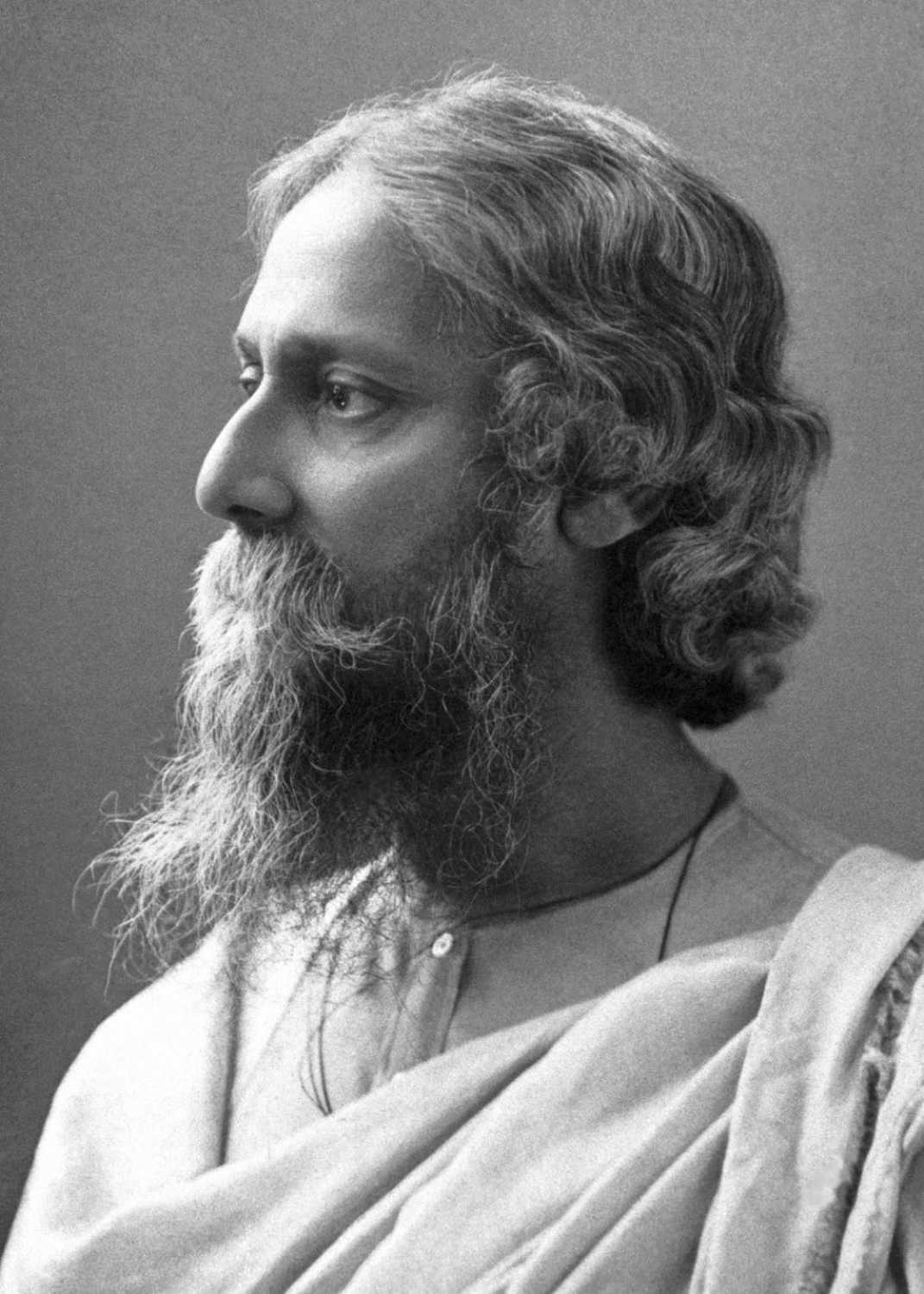
Tagore's 1919 masterpiece dissects the moral wreckage left behind when revolution comes home. Bimala has lived quietly in her husband's estate, content in the world of tradition, until Sandip arrives: a magnetic Swadeshi activist whose fiery nationalism begins to pull her toward a life she's never known. She steps out of purdah, into meetings, into ideology. She falls under Sandip's spell. But what she gains in freedom, she may lose in something far more precious. Tagore wrote this novel in the midst of India's freedom movement and had the courage to ask the question no one wanted answered: what if the cause is righteous but the cost is our humanity? It was condemned as unpatriotic in its time. It remains one of the most uncomfortable, necessary novels about the seductions of ideology and the prices we pay for becoming someone new.
Editions
X-Ray
“I am willing to serve my country, but my worship I reserve for Right which is far greater than my country. To worship my country as a god is to bring a curse upon it.””
— Rabindranath Tagore
“for we women are not only the deities of the household fire, but the flame of the soul itself.””
— Rabindranath Tagore
“Men can only think. Women have a way of understanding without thinking. Woman was created out of God's own fancy. Man, He had to hammer into shape.””
— Rabindranath Tagore
“that which is eternal within the moment only becomes shallow if spread out in time.””
— Rabindranath Tagore
“Today I feel that I shall win through. I have come to the gateway of the simple; I am now content to see things as they are. I have gained freedom myself; I shall allow freedom to others. In my work will be my salvation.””
— Rabindranath Tagore
“to tyrannize for the country is to tyrannize over the country””
— Rabindranath Tagore
“If one had to fill in, little by little, the gap between day and night, it would take an eternity to do it. But the sun rises and the darkness is dispelled- a moment is sufficient to overcome an infinite distance.””
— Rabindranath Tagore
“The greedy man who is fond of his fish stew has no compunction in cutting up the fish according to his need. But the man who loves the fish wants to enjoy it in the water; and if that is impossible he waits on the bank; and even if he comes back home without a sight of it he has the consolation of knowing that the fish is all right. Perfect gain is the best of all; but if that is impossible, then the next best gain is perfect losing.””
— Rabindranath Tagore
“Woman knows man well enough where he is weak, but she is quite unable to fathom him where he is strong. The fact is that man is as much a mystery to woman as woman is to man. If that were not so, the separation of the sexes would only have been a waste of Nature's energy.””
— Rabindranath Tagore
Link to this book
Add a free, dofollow link to Lex on your blog, forum, syllabus, or reading list.

<a href="https://lex-books.com/book/koti-ja-maailma-3865690b-af7c-4d87-a5ee-8e2be3342f1a"><img src="https://lex-books.com/badges/read-on-lex.svg" alt="Read Koti Ja Maailma by Rabindranath Tagore free on Lex" width="160" height="40"></a>[](https://lex-books.com/book/koti-ja-maailma-3865690b-af7c-4d87-a5ee-8e2be3342f1a)[url=https://lex-books.com/book/koti-ja-maailma-3865690b-af7c-4d87-a5ee-8e2be3342f1a][img]https://lex-books.com/badges/read-on-lex.svg[/img][/url]Read Koti Ja Maailma by Rabindranath Tagore free on Lex: https://lex-books.com/book/koti-ja-maailma-3865690b-af7c-4d87-a5ee-8e2be3342f1aCite this book
Reading this edition for a paper or guide? Copy a citation.
Tagore, Rabindranath. Koti Ja Maailma. Lex, lex-books.com/book/koti-ja-maailma-3865690b-af7c-4d87-a5ee-8e2be3342f1a.Tagore, R. (n.d.). Koti Ja Maailma. Lex. https://lex-books.com/book/koti-ja-maailma-3865690b-af7c-4d87-a5ee-8e2be3342f1aTagore, Rabindranath. Koti Ja Maailma. Lex. https://lex-books.com/book/koti-ja-maailma-3865690b-af7c-4d87-a5ee-8e2be3342f1a.