Uhrilauluja
1917
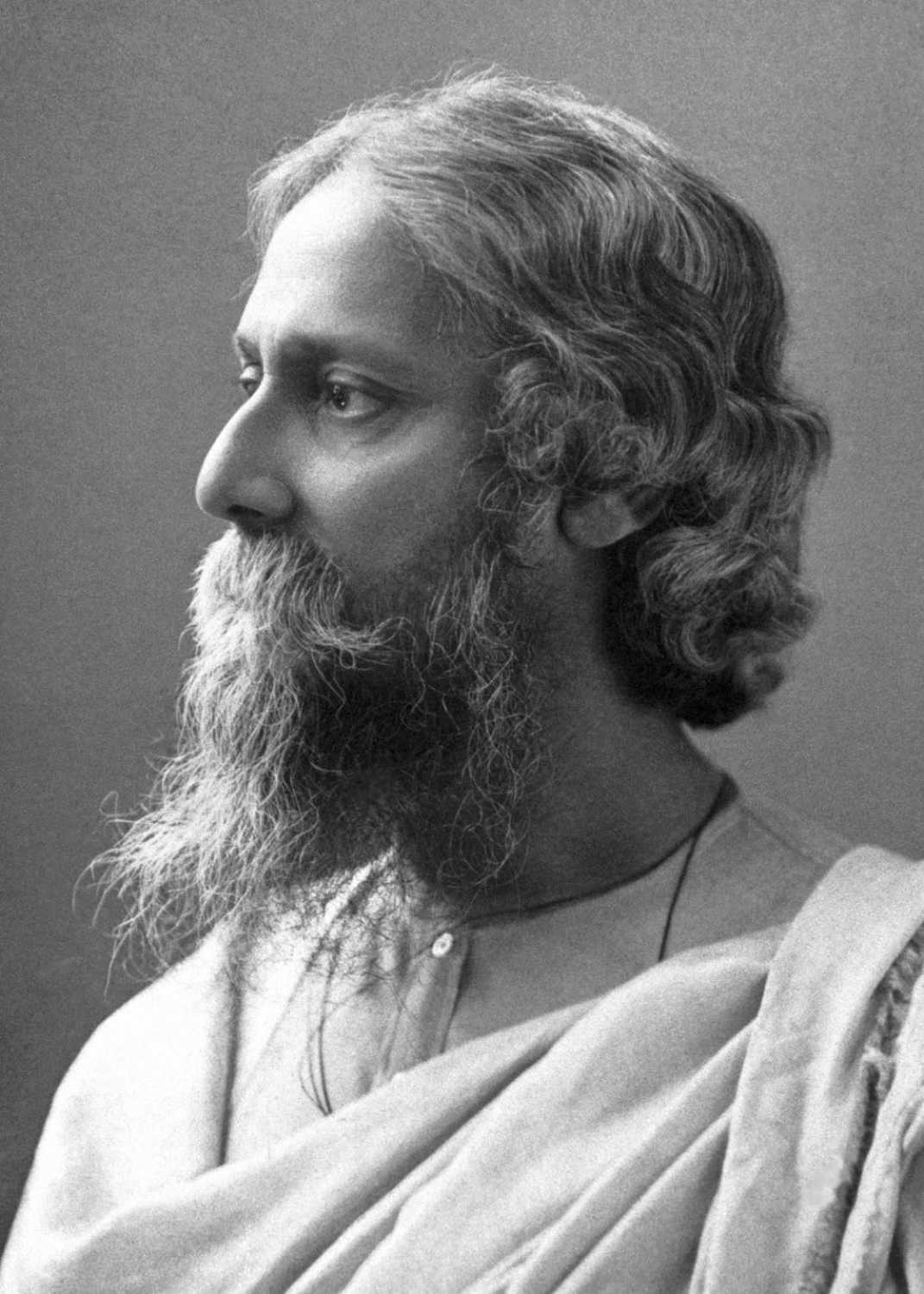
Rabindranath Tagore's 1917 collection enters a space where human longing meets the divine, and the distinction dissolves entirely. These poems are prayers disguised as verses: the speaker addresses a beloved who is simultaneously a master, a god, and the deepest part of the self. Tagore writes with the precision of someone who understands that the most sacred truths live in the smallest things, a flower, a passing cloud, the moment between breaths. The collection moves through landscapes both internal and external, finding the infinite in a blade of grass and eternity in an evening sky. This is devotional poetry that refuses to stay comfortably in the realm of the spiritual; it sears with human passion, with want, with the ache of approaching something vast. For readers who have ever felt that their longing for the divine and their longing for love were somehow the same energy, these songs offer language for what usually goes unspoken. Tagore won the Nobel Prize in 1913; this collection, published four years later, shows a poet at the height of his powers, transforming the vocabulary of devotion into something that feels not performed but lived.
Editions
Link to this book
Add a free, dofollow link to Lex on your blog, forum, syllabus, or reading list.

<a href="https://lex-books.com/book/uhrilauluja-499b92c8-8ec0-4fec-bf0e-6738dab47ac2"><img src="https://lex-books.com/badges/read-on-lex.svg" alt="Read Uhrilauluja by Rabindranath Tagore free on Lex" width="160" height="40"></a>[](https://lex-books.com/book/uhrilauluja-499b92c8-8ec0-4fec-bf0e-6738dab47ac2)[url=https://lex-books.com/book/uhrilauluja-499b92c8-8ec0-4fec-bf0e-6738dab47ac2][img]https://lex-books.com/badges/read-on-lex.svg[/img][/url]Read Uhrilauluja by Rabindranath Tagore free on Lex: https://lex-books.com/book/uhrilauluja-499b92c8-8ec0-4fec-bf0e-6738dab47ac2Cite this book
Reading this edition for a paper or guide? Copy a citation.
Tagore, Rabindranath. Uhrilauluja. Lex, lex-books.com/book/uhrilauluja-499b92c8-8ec0-4fec-bf0e-6738dab47ac2.Tagore, R. (1917). Uhrilauluja. Lex. https://lex-books.com/book/uhrilauluja-499b92c8-8ec0-4fec-bf0e-6738dab47ac2Tagore, Rabindranath. Uhrilauluja. Lex. https://lex-books.com/book/uhrilauluja-499b92c8-8ec0-4fec-bf0e-6738dab47ac2.