What would you like to read?Search books, authors, genres, shelves, users...
Search books, authors, genres, shelves, users...Search books, authors, genres, shelves, users...

What would you like to read?Search books, authors, genres, shelves, users...
Search books, authors, genres, shelves, users...Search books, authors, genres, shelves, users...
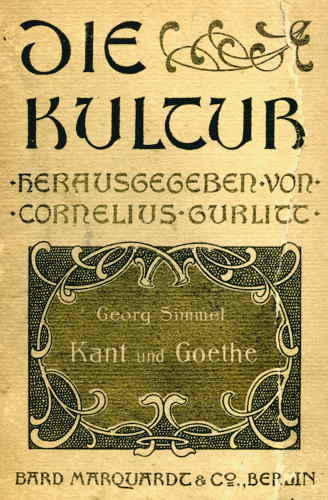
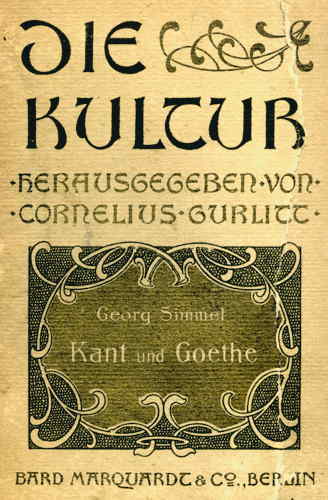
A philosophical treatise written in the early 20th century. This work explores the contrasting worldviews and philosophies of Immanuel Kant and Johann Wolfgang von Goethe, presenting a deep examination of their contributions to Western thought and cultural identity. The text delves into themes such as the nature of existence, perception, morality, and the balance between subjective experience and objective reality. The opening of the book introduces the fundamental dualism between subjective and objective realms, and the importance of understanding this distinction. Simmel discusses how Kant's philosophy represents a peak in subjectivism, emphasizing the role of the self in shaping our perception of the world, while preserving the significance of the external reality. In contrast, Goethe's approach focuses on identifying the unity between human experience and the natural world, conveying a more holistic view that integrates both internal and external aspects of existence. This sets the stage for a comparison of their philosophical methods and outlooks, revealing a rich dialogue between two towering figures of German intellectual history.