Heil Dir Im Siegerkranz!: Erzählung(zweite Auflage)
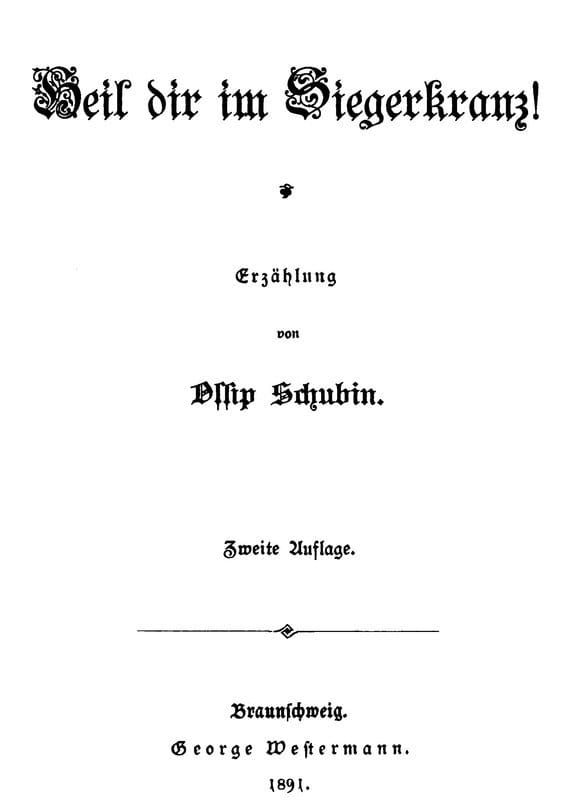
Heil Dir Im Siegerkranz opens in the spring of 1870, on the eve of the Franco-Prussian War that will reshape Europe. Anna Marie has spent her life as the devoted caretaker of others, beloved by friends and family yet haunted by the precariousness of happiness. When she receives word that her cousin Kitty needs her in Lindenbergen, Anna must choose between the comfortable round of social invitations that affirm her worth and the quieter, more demanding work of standing by someone in need. Schubin writes with delicate precision about the domestic dramas of 19th-century women: the unspoken obligations, the delicate negotiations of love and duty, the way one's sense of self becomes inseparable from one's role as caregiver. The novel quietly subverts its own title - that grand imperial anthem celebrating victory - by turning the reader's attention toward the smaller, more fragile victories of the heart. For readers who appreciate the psychological nuance of Elizabeth Gaskell or the quiet heroism of Anthony Trollope.
Editions

Link to this book
Add a free, dofollow link to Lex on your blog, forum, syllabus, or reading list.

<a href="https://lex-books.com/book/heil-dir-im-siegerkranz-erz-hlung-zweite-auflage-07ecdd26-fe13-40e3-97ea-91ccea075ea8"><img src="https://lex-books.com/badges/read-on-lex.svg" alt="Read Heil Dir Im Siegerkranz!: Erzählung(zweite Auflage) by Ossip Schubin free on Lex" width="160" height="40"></a>[](https://lex-books.com/book/heil-dir-im-siegerkranz-erz-hlung-zweite-auflage-07ecdd26-fe13-40e3-97ea-91ccea075ea8)[url=https://lex-books.com/book/heil-dir-im-siegerkranz-erz-hlung-zweite-auflage-07ecdd26-fe13-40e3-97ea-91ccea075ea8][img]https://lex-books.com/badges/read-on-lex.svg[/img][/url]Read Heil Dir Im Siegerkranz!: Erzählung(zweite Auflage) by Ossip Schubin free on Lex: https://lex-books.com/book/heil-dir-im-siegerkranz-erz-hlung-zweite-auflage-07ecdd26-fe13-40e3-97ea-91ccea075ea8Cite this book
Reading this edition for a paper or guide? Copy a citation.
Schubin, Ossip. Heil Dir Im Siegerkranz!: Erzählung(zweite Auflage). Lex, lex-books.com/book/heil-dir-im-siegerkranz-erz-hlung-zweite-auflage-07ecdd26-fe13-40e3-97ea-91ccea075ea8.Schubin, O. (n.d.). Heil Dir Im Siegerkranz!: Erzählung(zweite Auflage). Lex. https://lex-books.com/book/heil-dir-im-siegerkranz-erz-hlung-zweite-auflage-07ecdd26-fe13-40e3-97ea-91ccea075ea8Schubin, Ossip. Heil Dir Im Siegerkranz!: Erzählung(zweite Auflage). Lex. https://lex-books.com/book/heil-dir-im-siegerkranz-erz-hlung-zweite-auflage-07ecdd26-fe13-40e3-97ea-91ccea075ea8.