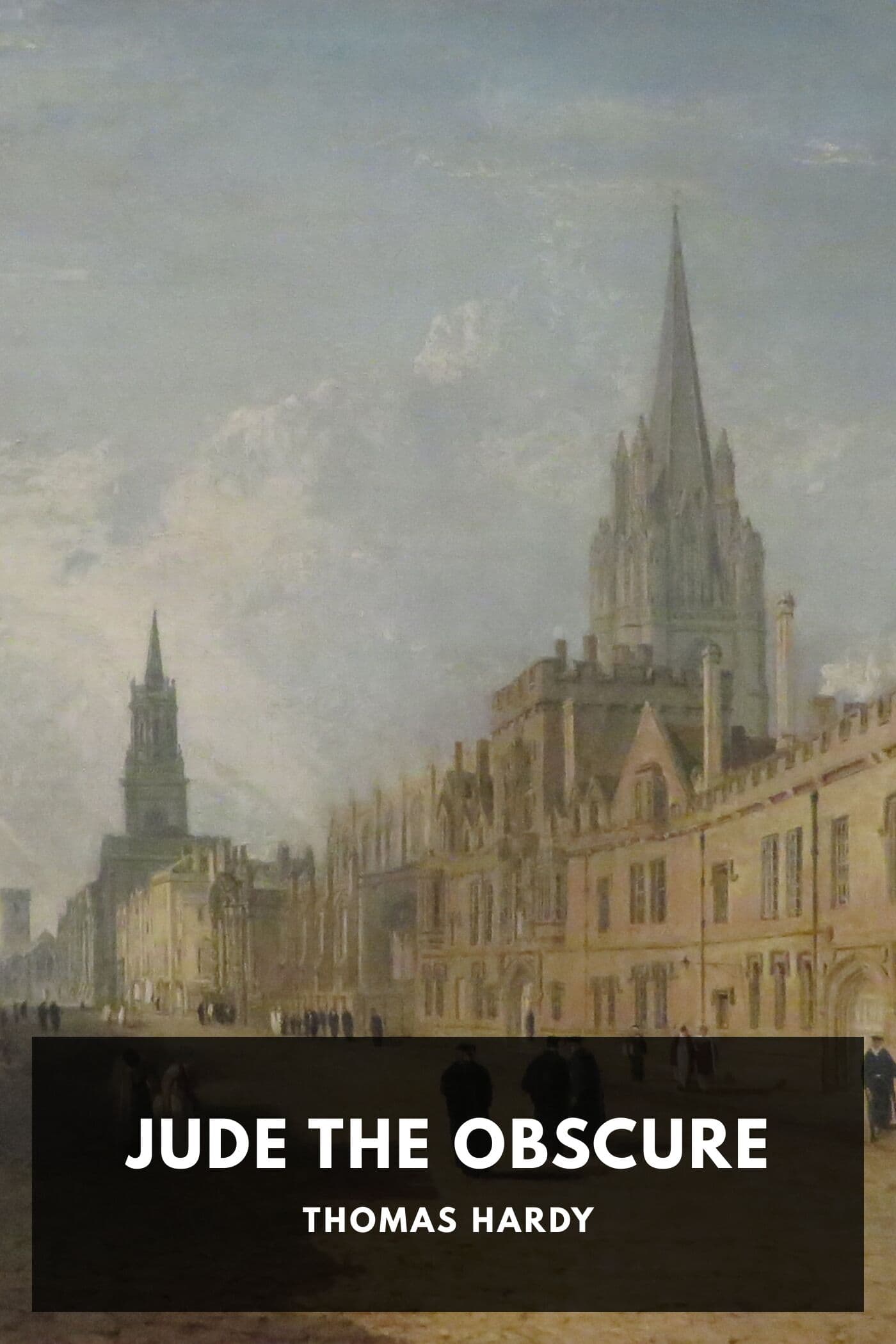
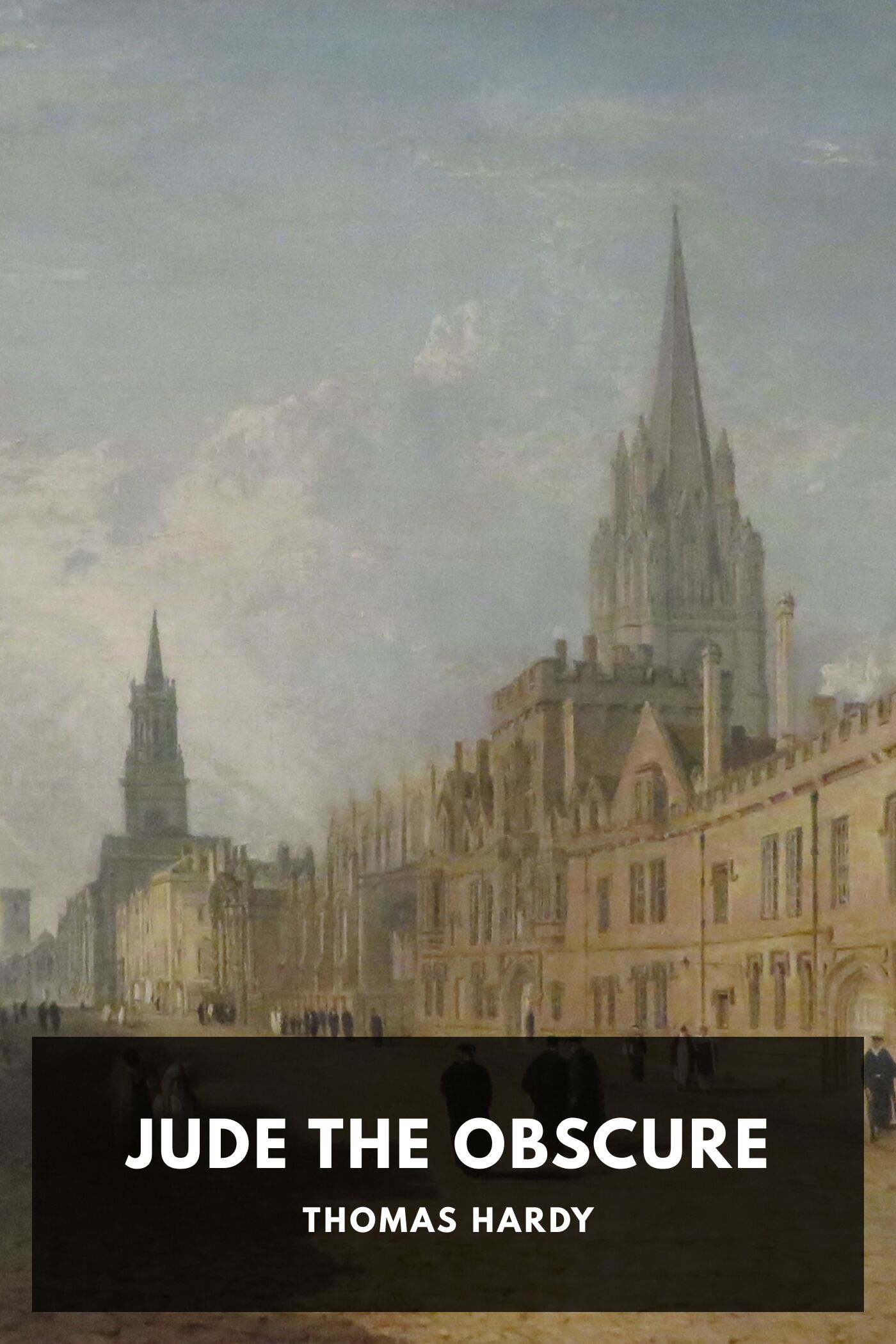
Jude the Obscure
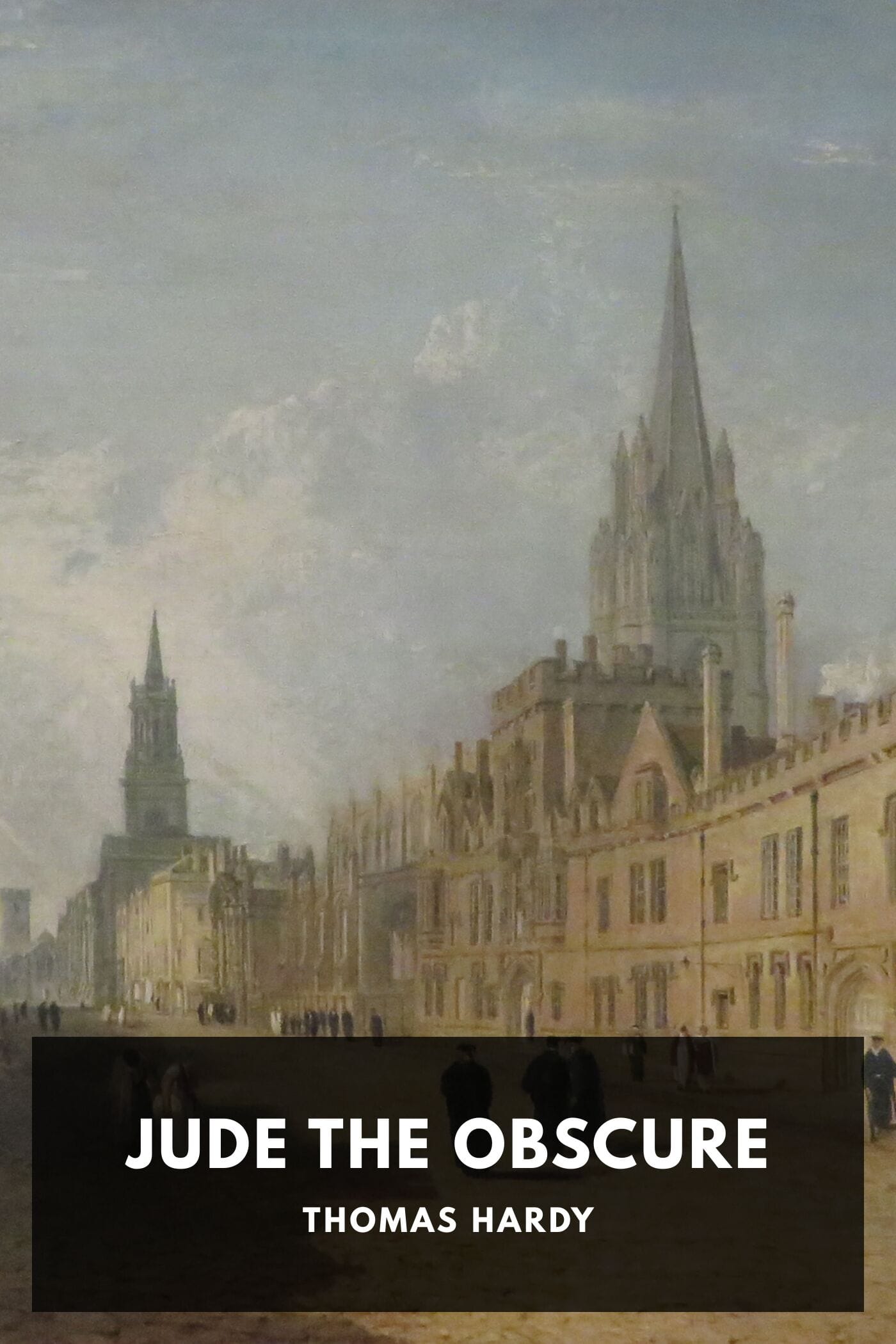
Thomas Hardy's final, most controversial novel, *Jude the Obscure*, charts the tragic life of Jude Fawley, a stonemason in rural Wessex with an unquenchable thirst for knowledge. Born into poverty, Jude dreams of academic glory, but his aspirations are continually thwarted by societal class structures and, more profoundly, by his own tumultuous relationships. His path is irrevocably altered by his passionate, yet ultimately doomed, pursuit of his free-spirited cousin, Sue Bridehead, a woman as unconventional as she is intellectually vibrant. Their love story, complicated by prior marriages, societal condemnation, and a series of heartbreaking misfortunes, becomes a searing indictment of Victorian morality and the crushing weight of convention on individual desire. Published in 1895, *Jude the Obscure* scandalized its contemporary audience with its unflinching portrayal of adultery, illegitimate children, and its critique of marriage as an institution. Hardy, so wounded by the public outcry that he abandoned novel writing, nevertheless crafted a masterpiece of psychological realism. His characters, often flawed and self-destructive, are rendered with a profound, almost painful, humanity. It's a devastatingly honest exploration of unfulfilled potential, the conflict between intellect and passion, and the tragic consequences when rigid social norms collide with the messy realities of human hearts. This is not a happy tale, but its enduring power lies in its raw emotional truth and its courageous challenge to the hypocrisies of its age.
Editions

Link to this book
Add a free, dofollow link to Lex on your blog, forum, syllabus, or reading list.

<a href="https://lex-books.com/book/jude-the-obscure-d4cf5cf8-ff9c-4a63-9307-6bbf22564003"><img src="https://lex-books.com/badges/read-on-lex.svg" alt="Read Jude the Obscure by Thomas Hardy free on Lex" width="160" height="40"></a>[](https://lex-books.com/book/jude-the-obscure-d4cf5cf8-ff9c-4a63-9307-6bbf22564003)[url=https://lex-books.com/book/jude-the-obscure-d4cf5cf8-ff9c-4a63-9307-6bbf22564003][img]https://lex-books.com/badges/read-on-lex.svg[/img][/url]Read Jude the Obscure by Thomas Hardy free on Lex: https://lex-books.com/book/jude-the-obscure-d4cf5cf8-ff9c-4a63-9307-6bbf22564003Cite this book
Reading this edition for a paper or guide? Copy a citation.
Hardy, Thomas. Jude the Obscure. Lex, lex-books.com/book/jude-the-obscure-d4cf5cf8-ff9c-4a63-9307-6bbf22564003.Hardy, T. (n.d.). Jude the Obscure. Lex. https://lex-books.com/book/jude-the-obscure-d4cf5cf8-ff9c-4a63-9307-6bbf22564003Hardy, Thomas. Jude the Obscure. Lex. https://lex-books.com/book/jude-the-obscure-d4cf5cf8-ff9c-4a63-9307-6bbf22564003.