John Brown
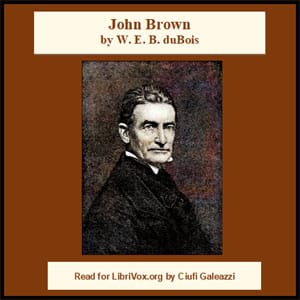
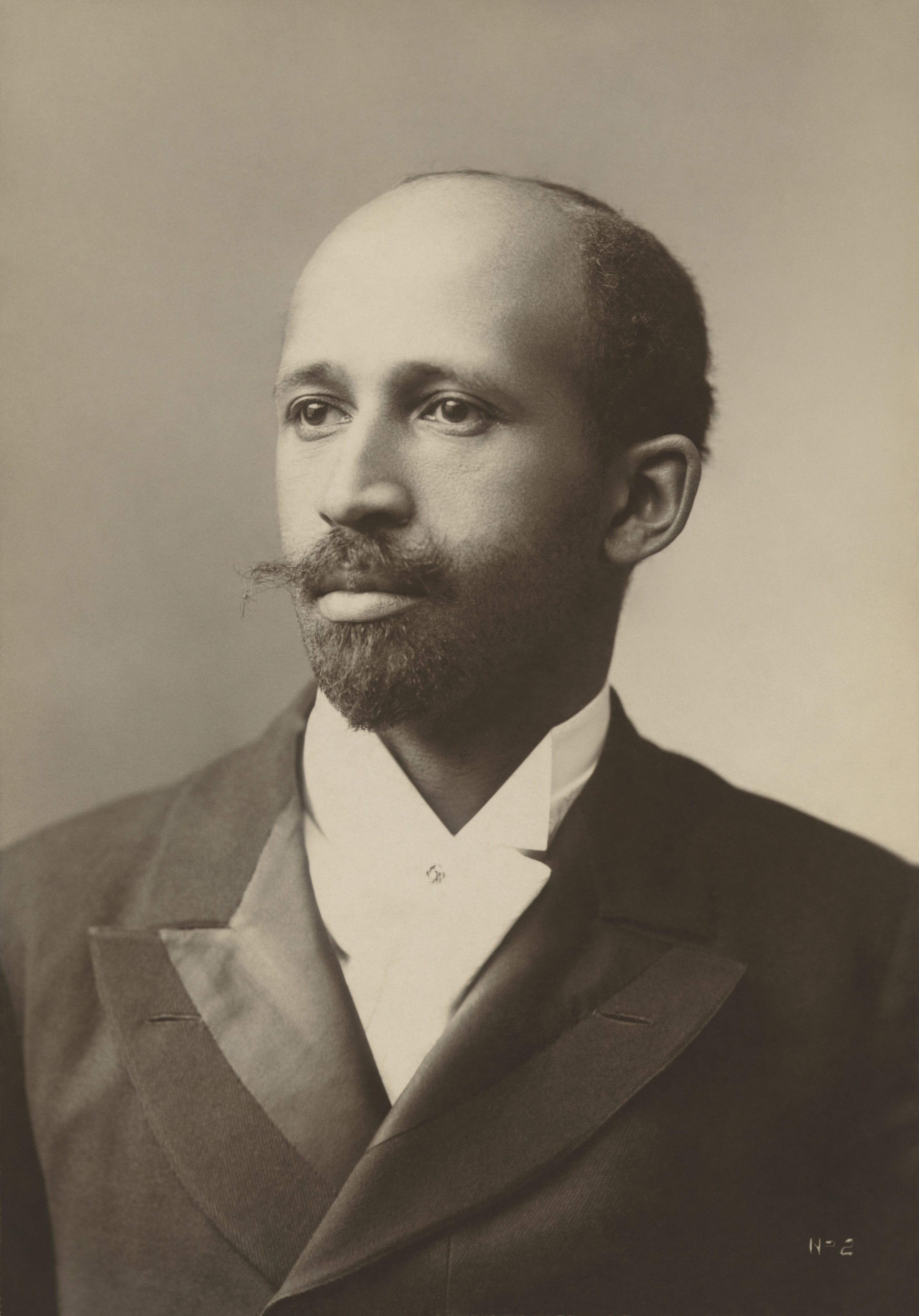
In 1909, W.E.B. Du Bois committed an act of radical historical reclamation: a biography that refuses to let America forget John Brown as anything less than a prophet. Against a century of dismissal labeling Brown a madman and fanatic, Du Bois offers something bolder, a portrait of a white man who understood that emancipation would require blood, and who gave his life for Black freedom with clearer moral purpose than the nation that condemned him. This is not mere biography; it is argument and anthem wrapped in one. Du Bois traces Brown's journey from Puritan-raised farm boy to Harpers Ferry revolutionary, defending every step of his escalation toward armed resistance as not just justified but necessary. The book argues that Brown's violence was the logical endpoint of a moral clarity that white America lacked, and that his execution made him a martyr whose ghost would haunt the nation until slavery's final end. Du Bois wrote this defense during the Jim Crow era, when the question of whether violence could be moral in the fight for Black lives remained urgently contested. The book endures because it poses questions we still have not answered: what do we owe to those who fight for justice? Who has the right to take up arms? And what does it mean for a Black intellectual to claim a white man as his hero?
Editions

Link to this book
Add a free, dofollow link to Lex on your blog, forum, syllabus, or reading list.

<a href="https://lex-books.com/book/john-brown-1a93fa9f-1103-4bc6-a27b-057a0b32a7a9"><img src="https://lex-books.com/badges/read-on-lex.svg" alt="Read John Brown by W. E. B. Du Bois free on Lex" width="160" height="40"></a>[](https://lex-books.com/book/john-brown-1a93fa9f-1103-4bc6-a27b-057a0b32a7a9)[url=https://lex-books.com/book/john-brown-1a93fa9f-1103-4bc6-a27b-057a0b32a7a9][img]https://lex-books.com/badges/read-on-lex.svg[/img][/url]Read John Brown by W. E. B. Du Bois free on Lex: https://lex-books.com/book/john-brown-1a93fa9f-1103-4bc6-a27b-057a0b32a7a9Cite this book
Reading this edition for a paper or guide? Copy a citation.
Bois, W. E. B. Du. John Brown. Lex, lex-books.com/book/john-brown-1a93fa9f-1103-4bc6-a27b-057a0b32a7a9.Bois, W. E. B. D. (n.d.). John Brown. Lex. https://lex-books.com/book/john-brown-1a93fa9f-1103-4bc6-a27b-057a0b32a7a9Bois, W. E. B. Du. John Brown. Lex. https://lex-books.com/book/john-brown-1a93fa9f-1103-4bc6-a27b-057a0b32a7a9.