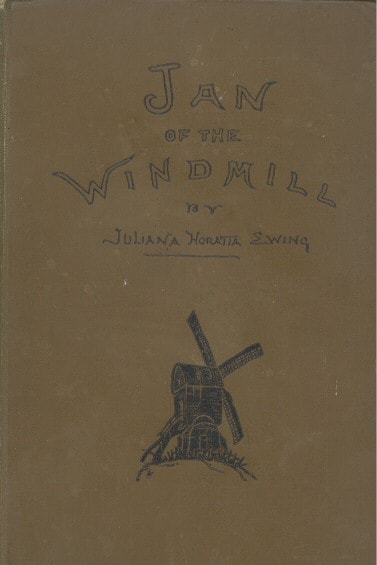
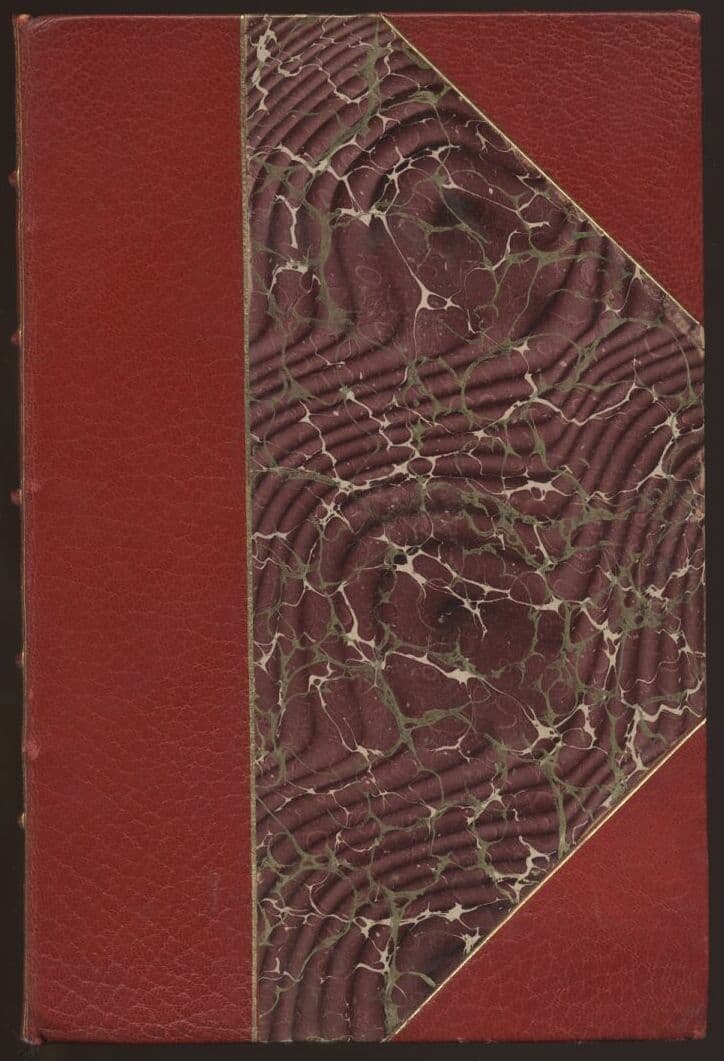
Jan of the Windmill: A Story of the Plains
1876
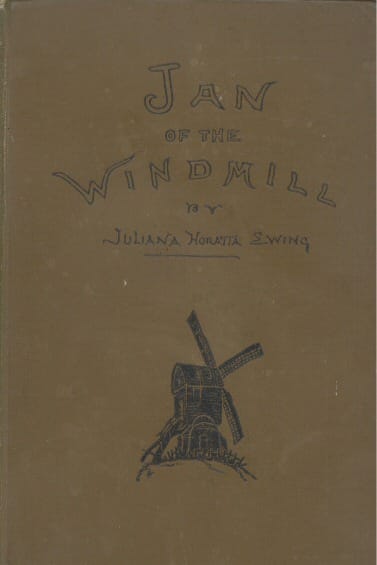
Jan of the Windmill: A Story of the Plains
1876
The novel opens on a ferocious storm sweeping the plains, the windmill grinding, and a family in crisis. The windmiller's wife has just lost her youngest child, her grief raw and possessive. Then a stranger arrives with an orphaned infant, and her husband insists they take the child in - for practical reasons, he says, but the baby will demand everything they have left. Jan enters this wounded household as an outsider, and slowly, incrementally, he earns the love that was never meant for him. Ewing writes with psychological precision about grief's ugly truth: how loss can make us cruel before it makes us wise, and how the heart can resist the very thing it needs to heal. This is a Victorian children's novel that treats its young protagonist with absolute seriousness - no sentimentality, just the quiet heroism of a boy who refuses to stop loving people who haven't yet learned to love him back. It endures because it understands that resilience isn't grand; it's showing up, again and again, to a home that hasn't learned to want you.
Editions
Link to this book
Add a free, dofollow link to Lex on your blog, forum, syllabus, or reading list.

<a href="https://lex-books.com/book/jan-of-the-windmill-a-story-of-the-plains-cfeaf34e-a900-4e48-a839-5219158c6142"><img src="https://lex-books.com/badges/read-on-lex.svg" alt="Read Jan of the Windmill: A Story of the Plains by Juliana Horatia Ewing free on Lex" width="160" height="40"></a>[](https://lex-books.com/book/jan-of-the-windmill-a-story-of-the-plains-cfeaf34e-a900-4e48-a839-5219158c6142)[url=https://lex-books.com/book/jan-of-the-windmill-a-story-of-the-plains-cfeaf34e-a900-4e48-a839-5219158c6142][img]https://lex-books.com/badges/read-on-lex.svg[/img][/url]Read Jan of the Windmill: A Story of the Plains by Juliana Horatia Ewing free on Lex: https://lex-books.com/book/jan-of-the-windmill-a-story-of-the-plains-cfeaf34e-a900-4e48-a839-5219158c6142Cite this book
Reading this edition for a paper or guide? Copy a citation.
Ewing, Juliana Horatia. Jan of the Windmill: A Story of the Plains. Lex, lex-books.com/book/jan-of-the-windmill-a-story-of-the-plains-cfeaf34e-a900-4e48-a839-5219158c6142.Ewing, J. H. (1876). Jan of the Windmill: A Story of the Plains. Lex. https://lex-books.com/book/jan-of-the-windmill-a-story-of-the-plains-cfeaf34e-a900-4e48-a839-5219158c6142Ewing, Juliana Horatia. Jan of the Windmill: A Story of the Plains. Lex. https://lex-books.com/book/jan-of-the-windmill-a-story-of-the-plains-cfeaf34e-a900-4e48-a839-5219158c6142.