Jésus
1927
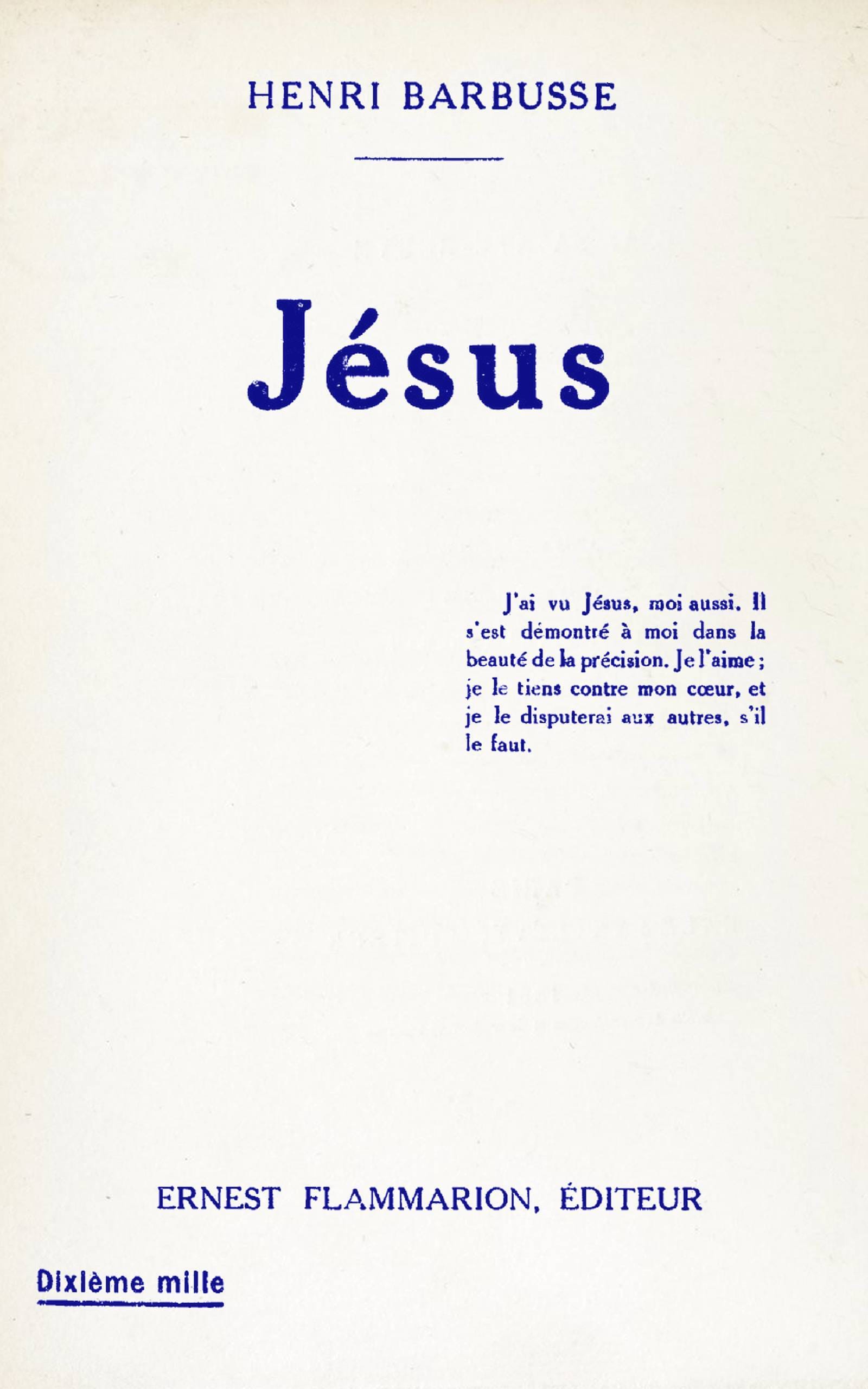
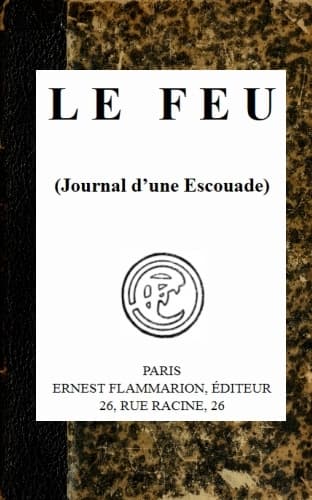
Henri Barbusse, the Prix Goncourt-winning author of the WWI masterpiece Le Feu, approaches the unthinkable in this 1927 novel: he writes as Jesus himself, imagining the formative years of a young man grappling with his identity, his people's suffering, and the weight of truths he cannot yet name. Set in the villages of first-century Galilee, the narrative follows the boy who will become the most written-about figure in history as he observes the poverty around him, questions the Temple's authority, and feels an unnamed purpose pressing against the walls of his small world. Barbusse, a committed atheist and communist, constructs a Jesus stripped of divinity but heavy with humanity, a radical act of imagination that provoked French readers when the country was still deeply Catholic. The prose ripples with dreamlike observation and social anger: here is a savior who sees the poor not as souls to be saved but as bodies hungry now, in this life. Whether one sees it as blasphemy, heresy, or simply daring literature, Jesus rendered as a questioning mortal remains a singular artifact of early twentieth-century European intellectual life.
Editions
Link to this book
Add a free, dofollow link to Lex on your blog, forum, syllabus, or reading list.

<a href="https://lex-books.com/book/j-sus-54f6d89b-1b0d-430e-bc24-993a381c36f4"><img src="https://lex-books.com/badges/read-on-lex.svg" alt="Read Jésus by Henri Barbusse free on Lex" width="160" height="40"></a>[](https://lex-books.com/book/j-sus-54f6d89b-1b0d-430e-bc24-993a381c36f4)[url=https://lex-books.com/book/j-sus-54f6d89b-1b0d-430e-bc24-993a381c36f4][img]https://lex-books.com/badges/read-on-lex.svg[/img][/url]Read Jésus by Henri Barbusse free on Lex: https://lex-books.com/book/j-sus-54f6d89b-1b0d-430e-bc24-993a381c36f4Cite this book
Reading this edition for a paper or guide? Copy a citation.
Barbusse, Henri. Jésus. Lex, lex-books.com/book/j-sus-54f6d89b-1b0d-430e-bc24-993a381c36f4.Barbusse, H. (1927). Jésus. Lex. https://lex-books.com/book/j-sus-54f6d89b-1b0d-430e-bc24-993a381c36f4Barbusse, Henri. Jésus. Lex. https://lex-books.com/book/j-sus-54f6d89b-1b0d-430e-bc24-993a381c36f4.