
Henri Barbusse
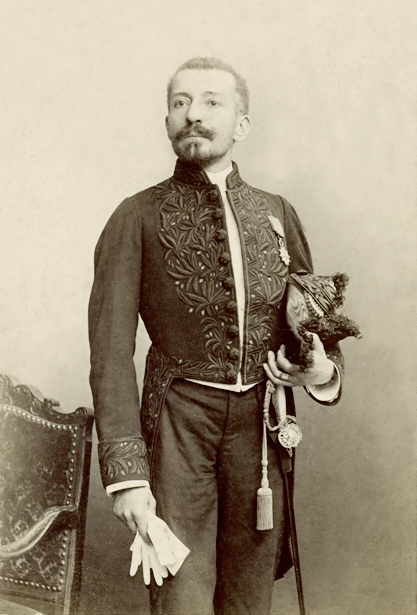
Henri Barbusse was a multifaceted French writer and political activist, whose literary career began in the 1890s as a Symbolist poet before evolving into neo-Naturalism. His most significant work, 'Under Fire' (1916), is a poignant novel that captures the harrowing experiences of World War I, drawing from his own service in the conflict. This groundbreaking narrative is often regarded as a precursor to the Lost Generation literature, influencing notable authors such as Ernest Hemingway and Erich Maria Remarque. Barbusse's exploration of war intertwines with profound moral and political reflections, establishing him as a key figure among French writers from 1910 to 1939. Initially a pacifist, Barbusse's views shifted dramatically during the war, leading him to volunteer for military service and earn the Croix de guerre. His experiences fostered a belief in revolutionary change as a means to combat militarism and imperialism. Following the war, Barbusse became increasingly politically engaged, joining the French Communist Party and advocating against fascism and war. In the 1930s, he supported the Stalinist regime, contributing to the cult of personality surrounding Stalin through his biography of the leader. Despite his complex political affiliations, Barbusse's literary legacy endures, marked by his commitment to addressing the human condition amidst the chaos of war and ideology.
Famous Quotes
View all 3 quotes“I am more sensitive than other people. Things that other people would not notice awaken a distinct echo in me, and in such moments of lucidity, when I look at myself, I see that I am alone, all alone, all alone.”
“It was suicide. Others killed themselves with poison or with a revolver. I killed myself with minutes and hours.”
“I keep remembering — I keep remembering. My heart has no pity on me.”
Books from the author


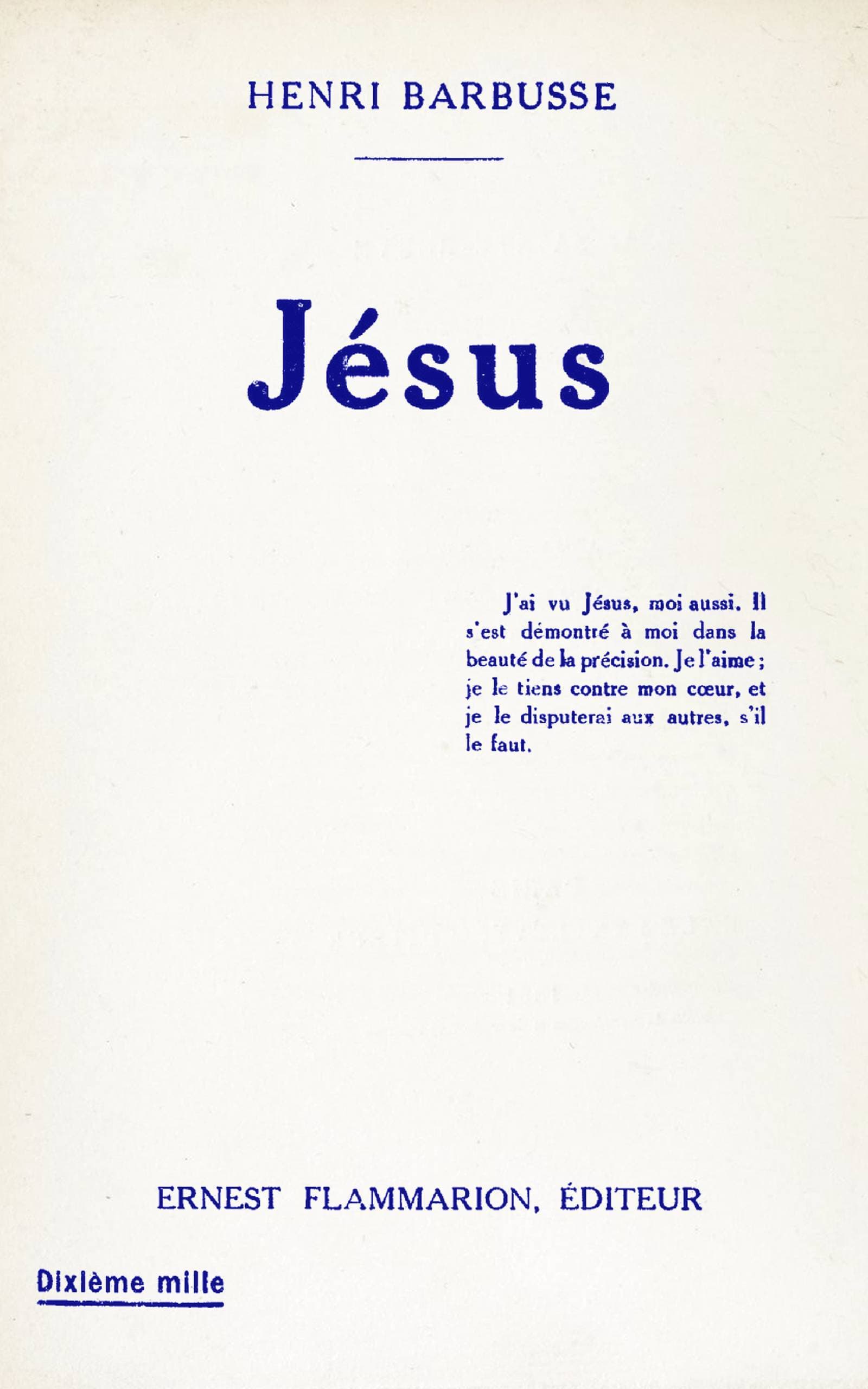



Link to this page
Add a free, dofollow link to Lex on your blog, forum, syllabus, or reading list.

<a href="https://lex-books.com/author/henri-barbusse"><img src="https://lex-books.com/badges/read-on-lex.svg" alt="Henri Barbusse on Lex" width="160" height="40"></a>[](https://lex-books.com/author/henri-barbusse)[url=https://lex-books.com/author/henri-barbusse][img]https://lex-books.com/badges/read-on-lex.svg[/img][/url]Henri Barbusse on Lex: https://lex-books.com/author/henri-barbusse