Intentions
1891
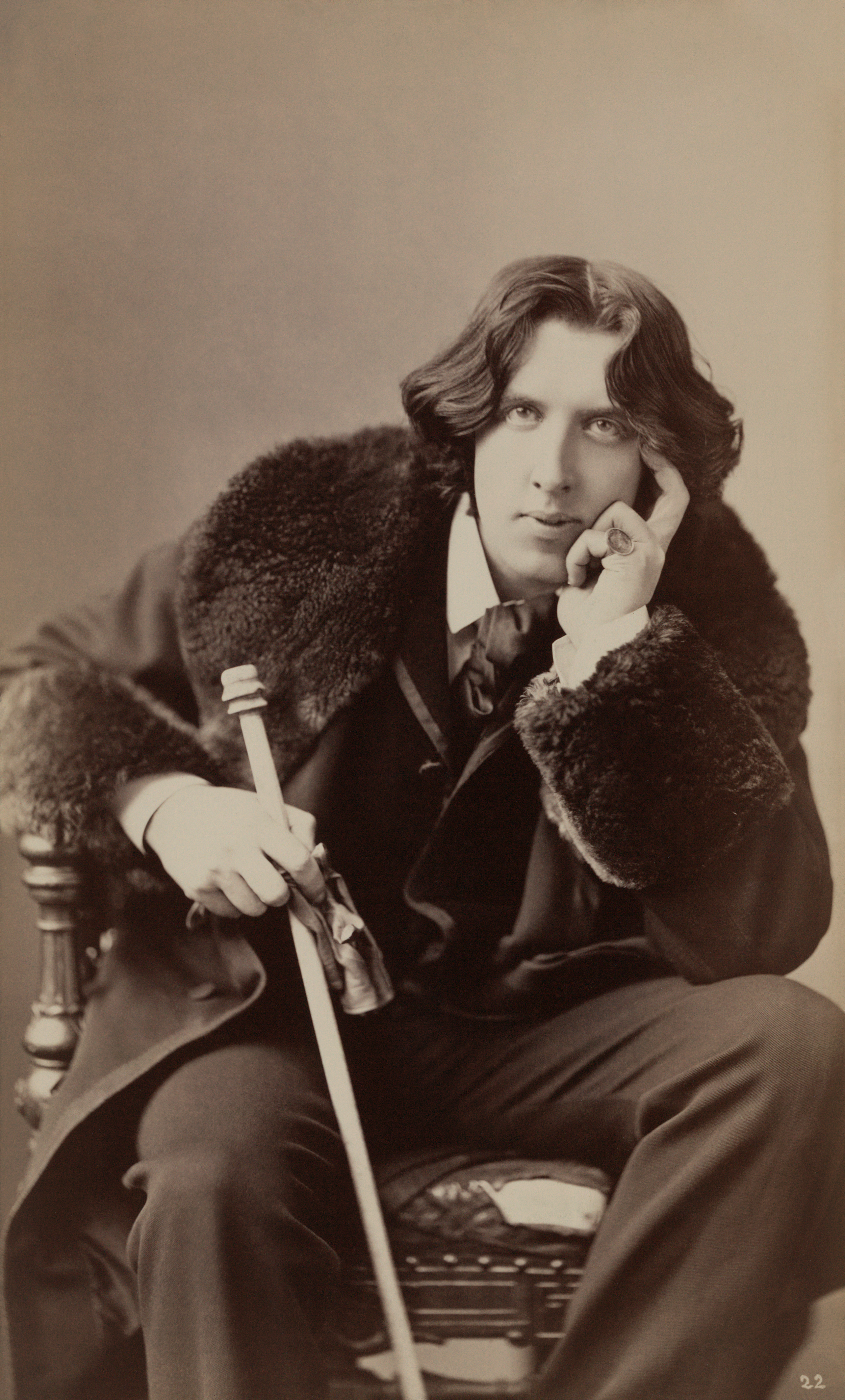
Published in 1891, 'Intentions' is a collection of essays by Oscar Wilde that examines the interplay between art, beauty, and morality. As a prominent figure in the English Aesthetic movement, Wilde argues for 'art for art's sake' and critiques the realism of his contemporaries, such as Henry James and Emile Zola. The essays include discussions on the nature of lies in art, the role of the critic as an artist, and the significance of aesthetic experience, all delivered with Wilde's characteristic wit and style. Notably, the collection features 'Pen, Pencil, and Poison,' a biographical piece on the life of the murderer and art critic Thomas Griffiths Wainewright.
Editions
X-Ray
“Thinking is the most unhealthy thing in the world, and people die of it just as they die of any other disease. ””
— Oscar Wilde
“To know the vintage and quality of a wine one need not drink the whole cask. It must be perfectly easy in half an hour to say whether a book is worth anything or worth nothing. Ten minutes are really sufficient, if one has the instinct for form. Who wants to wade through a dull volume? One tastes it, and that is quite enough – more than enough, I should imagine.””
— Oscar Wilde
“Yes: the public is wonderfully tolerant. It forgives everything except genius. ””
— Oscar Wilde
“What Art really reveals to us is Nature’s lack of design, her curious crudities, her extraordinary monotony, her absolutely unfinished condition. Nature has good intentions, of course, but, as Aristotle once said, she cannot carry them out.””
— Oscar Wilde
“We look to the archaeologist for the materials, to the artist for the method.””
— Oscar Wilde
“Egotism itself, which is so necessary to a proper sense of human dignity, is entirely the result of indoor life. ””
— Oscar Wilde
“Are there not books that can make us live more in one single hour than life can make us live in a score of shameful years?””
— Oscar Wilde
“Art and art only, can make archaeology beautiful; and the theatric art can use it most directly and most vividly, for it can combine in one exquisite presentation the illusion of actual life with the wonder of the unreal world.””
— Oscar Wilde
“Shakespeare appreciated the value of lovely costumes in adding picturesqueness to poetry, but he saw how important costume is as a means of producing certain dramatic effects.””
— Oscar Wilde
Link to this book
Add a free, dofollow link to Lex on your blog, forum, syllabus, or reading list.

<a href="https://lex-books.com/book/intentions-dd437f39-0bdb-4880-954a-c9e263e073ca"><img src="https://lex-books.com/badges/read-on-lex.svg" alt="Read Intentions by Oscar Wilde free on Lex" width="160" height="40"></a>[](https://lex-books.com/book/intentions-dd437f39-0bdb-4880-954a-c9e263e073ca)[url=https://lex-books.com/book/intentions-dd437f39-0bdb-4880-954a-c9e263e073ca][img]https://lex-books.com/badges/read-on-lex.svg[/img][/url]Read Intentions by Oscar Wilde free on Lex: https://lex-books.com/book/intentions-dd437f39-0bdb-4880-954a-c9e263e073caCite this book
Reading this edition for a paper or guide? Copy a citation.
Wilde, Oscar. Intentions. Lex, lex-books.com/book/intentions-dd437f39-0bdb-4880-954a-c9e263e073ca.Wilde, O. (1891). Intentions. Lex. https://lex-books.com/book/intentions-dd437f39-0bdb-4880-954a-c9e263e073caWilde, Oscar. Intentions. Lex. https://lex-books.com/book/intentions-dd437f39-0bdb-4880-954a-c9e263e073ca.