Inheritors
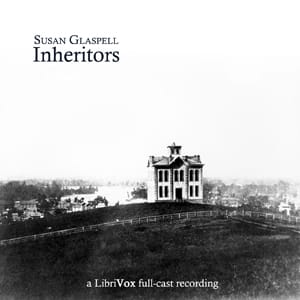
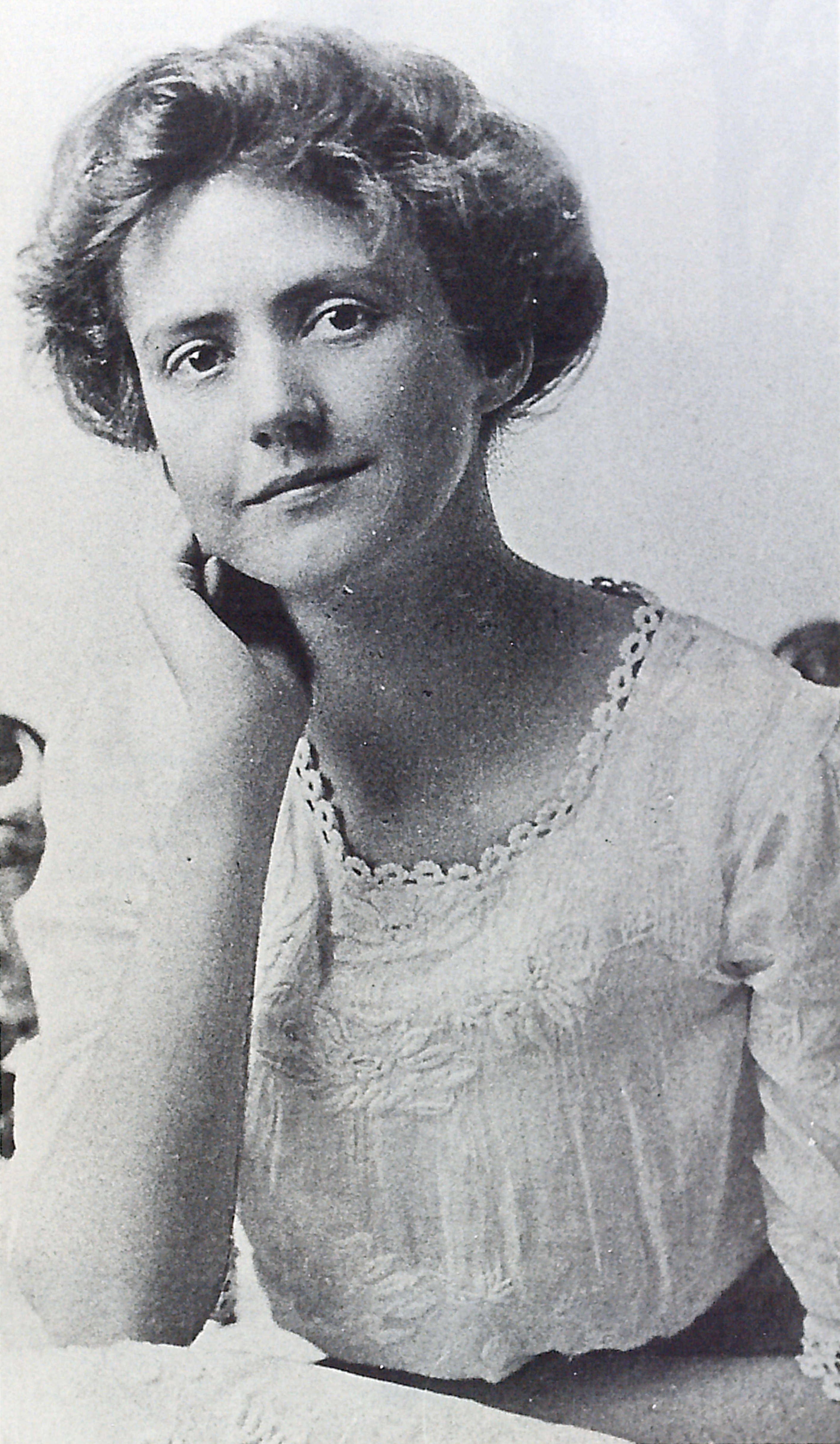
When progressive farmer John Graydon dies, he leaves his Midwest farmland not to his family but to the cause of education, establishing a college meant to embody his ideals. Forty years later, his granddaughter Madelon stands at that same institution facing a different kind of battle. When Hindu nationals seek to protest British colonial oppression, the college's funding hangs in the balance. Her uncle, the trustee president, urges compromise. The faculty turns away. But Madelon refuses to let her grandfather's legacy become a hollow monument to principles no one actually lives by. Glaspell wrote this in 1921 as a fierce argument for free speech during the Red Scare, when loyalty meant silence and courage meant prison. The play crackles with the tension between inheritance and integrity, between what we leave behind and what we're willing to fight for. Madelon stands alone against her family, her community, and the machinery of political fear. She will go to prison. The question is whether anyone will remember why. This is for readers who believe art should provoke, who love plays that dramatize the cost of conviction, and who want to understand why some legacies are worth destroying to save.
Editions

Link to this book
Add a free, dofollow link to Lex on your blog, forum, syllabus, or reading list.

<a href="https://lex-books.com/book/inheritors-6757d727-0b03-40cf-910a-0ee1f4812cf3"><img src="https://lex-books.com/badges/read-on-lex.svg" alt="Read Inheritors by Susan Glaspell free on Lex" width="160" height="40"></a>[](https://lex-books.com/book/inheritors-6757d727-0b03-40cf-910a-0ee1f4812cf3)[url=https://lex-books.com/book/inheritors-6757d727-0b03-40cf-910a-0ee1f4812cf3][img]https://lex-books.com/badges/read-on-lex.svg[/img][/url]Read Inheritors by Susan Glaspell free on Lex: https://lex-books.com/book/inheritors-6757d727-0b03-40cf-910a-0ee1f4812cf3Cite this book
Reading this edition for a paper or guide? Copy a citation.
Glaspell, Susan. Inheritors. Lex, lex-books.com/book/inheritors-6757d727-0b03-40cf-910a-0ee1f4812cf3.Glaspell, S. (n.d.). Inheritors. Lex. https://lex-books.com/book/inheritors-6757d727-0b03-40cf-910a-0ee1f4812cf3Glaspell, Susan. Inheritors. Lex. https://lex-books.com/book/inheritors-6757d727-0b03-40cf-910a-0ee1f4812cf3.