What would you like to read?Search books, authors, genres, shelves, users...
Search books, authors, genres, shelves, users...Search books, authors, genres, shelves, users...

What would you like to read?Search books, authors, genres, shelves, users...
Search books, authors, genres, shelves, users...Search books, authors, genres, shelves, users...
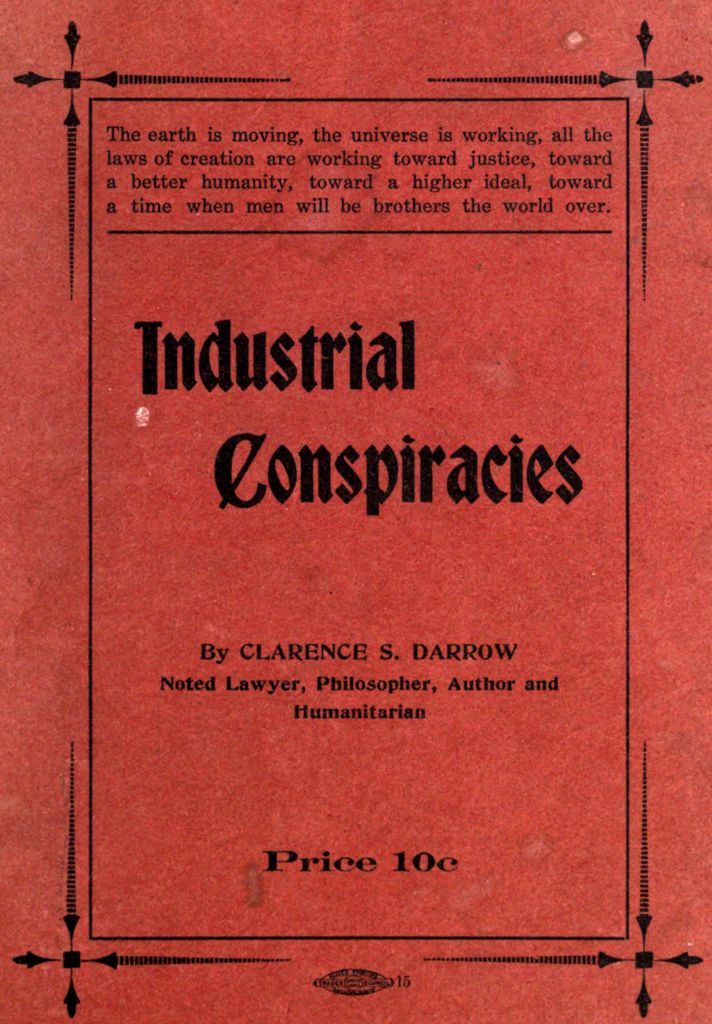
A thought-provoking lecture delivered in the early 20th century, specifically in 1912. This work serves as a critical examination of the legal and societal implications surrounding labor and capitalist structures during that era. The primary focus of the book centers on the concept of industrial conspiracies, particularly how the law has historically been applied against working-class individuals and movements, while those in power frequently escape accountability. In this lecture, Darrow passionately argues that the laws governing labor and conspiracy are often skewed against workers, labeling their collective actions as conspiracies while allowing the wealthy and corporate entities to operate unchecked. He reflects on historical contexts, such as the enforcement of conspiracy laws in England and the application of the Sherman Anti-Trust Act in America, emphasizing how these have predominantly served the interests of capitalists rather than those of laborers. Throughout, he highlights the struggles of the working class, their efforts to organize, and the systemic hurdles they face from both legal institutions and economic structures, positing that true justice and equity can only emerge from a significant transformation of societal norms and processes.