Salem Witchcraft and Cotton Mather: A Reply
1867
Salem Witchcraft and Cotton Mather: A Reply
1867
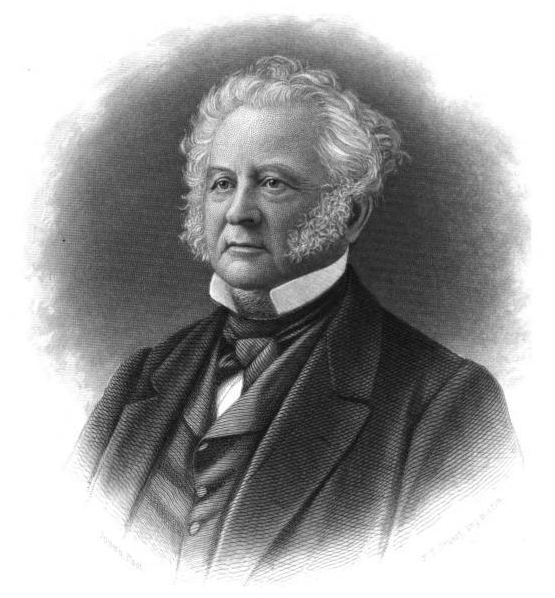
In 1692, twenty people were executed in Salem, Massachusetts, convicted of witchcraft by a colony gripped by paranoid hysteria. At the center of that hysteria stood Cotton Mather, the most influential clergyman in New England, whose sermons and writings helped fuel the flames of mass delusion. Charles Wentworth Upham's 1867 work is both a fierce rebuttal to a critical article and a meticulous examination of one of American history's darkest chapters. Upham, a Massachusetts politician and historian, had previously published on the Salem Witch Trials and here defends his scholarship against a challenge from the North American Review. But this is more than mere polemic. Upham excavates the Mathers' role, the father Increase and son Cotton, in shaping colonial belief, exposing how religious authority and intellectual prestige merged with superstition to produce tragedy. The book examines the social conditions that made mass hallucination possible, the political machinations behind the prosecutions, and the way history would remember (and distort) what happened. For anyone curious about the roots of American religious extremism or the mechanics of moral panic, Upham offers a disturbing mirror.
Editions
Link to this book
Add a free, dofollow link to Lex on your blog, forum, syllabus, or reading list.

<a href="https://lex-books.com/book/salem-witchcraft-and-cotton-mather-a-reply-080e43e7-9ddf-4831-a9d8-204cb556cc46"><img src="https://lex-books.com/badges/read-on-lex.svg" alt="Read Salem Witchcraft and Cotton Mather: A Reply by Charles Wentworth Upham free on Lex" width="160" height="40"></a>[](https://lex-books.com/book/salem-witchcraft-and-cotton-mather-a-reply-080e43e7-9ddf-4831-a9d8-204cb556cc46)[url=https://lex-books.com/book/salem-witchcraft-and-cotton-mather-a-reply-080e43e7-9ddf-4831-a9d8-204cb556cc46][img]https://lex-books.com/badges/read-on-lex.svg[/img][/url]Read Salem Witchcraft and Cotton Mather: A Reply by Charles Wentworth Upham free on Lex: https://lex-books.com/book/salem-witchcraft-and-cotton-mather-a-reply-080e43e7-9ddf-4831-a9d8-204cb556cc46Cite this book
Reading this edition for a paper or guide? Copy a citation.
Upham, Charles Wentworth. Salem Witchcraft and Cotton Mather: A Reply. Lex, lex-books.com/book/salem-witchcraft-and-cotton-mather-a-reply-080e43e7-9ddf-4831-a9d8-204cb556cc46.Upham, C. W. (1867). Salem Witchcraft and Cotton Mather: A Reply. Lex. https://lex-books.com/book/salem-witchcraft-and-cotton-mather-a-reply-080e43e7-9ddf-4831-a9d8-204cb556cc46Upham, Charles Wentworth. Salem Witchcraft and Cotton Mather: A Reply. Lex. https://lex-books.com/book/salem-witchcraft-and-cotton-mather-a-reply-080e43e7-9ddf-4831-a9d8-204cb556cc46.