Crime: Its Cause and Treatment
1877
Crime: Its Cause and Treatment
1877
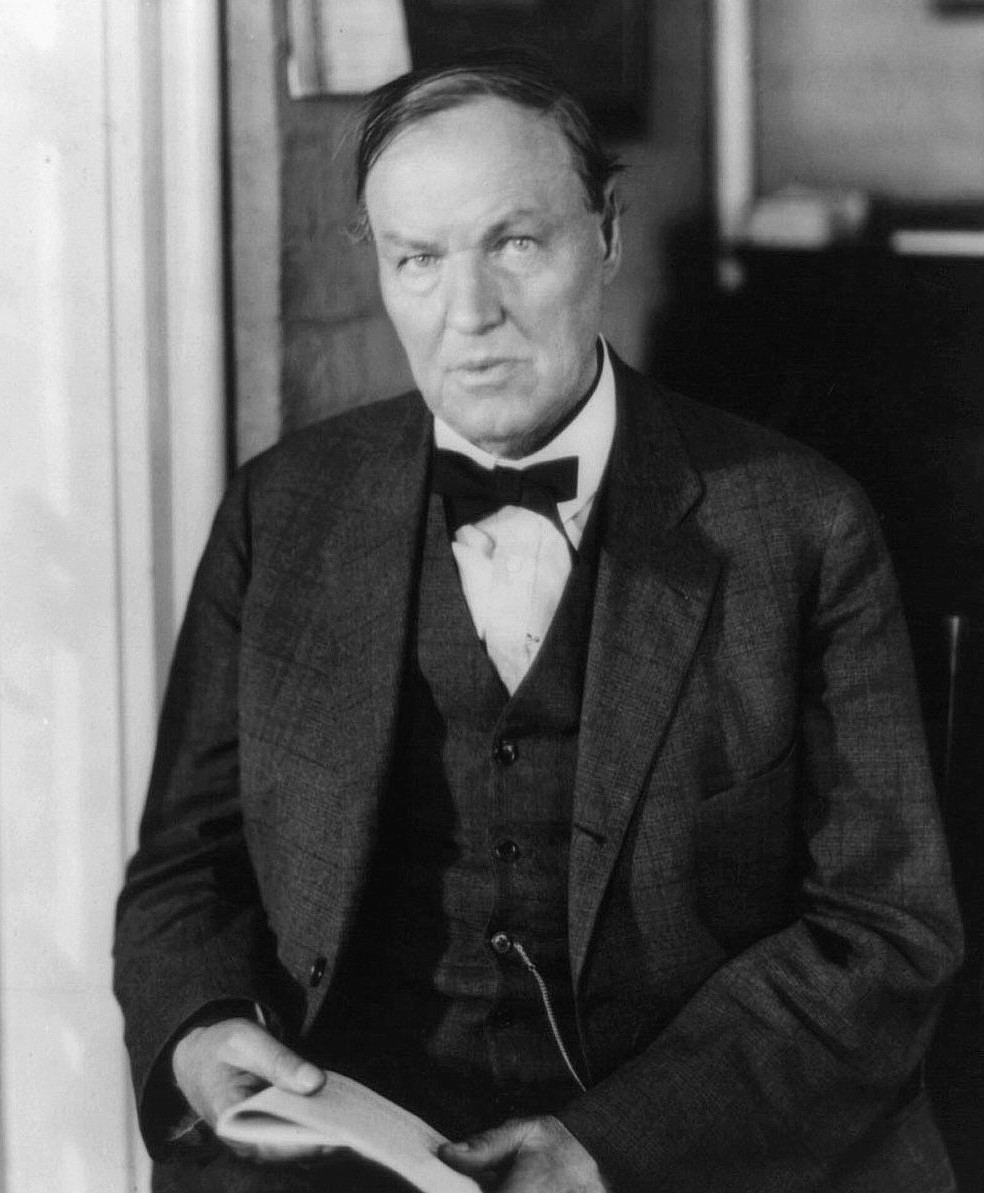
Long before the modern debate over criminal justice reform, Clarence Darrow made a radical argument: crime is not a moral failing but a behavioral expression shaped by heredity, environment, and social conditions. Written with the precision of a scientist and the conviction of a courtroom lawyer who had seen too many hangings, this book represents one of the earliest and most passionate pleas for treating criminality as a problem to be understood rather than punished. Darrow draws on the emerging sciences of his day biology, psychology, sociology to demonstrate that human behavior follows laws as fixed as those governing the physical world. He redefines crime itself as whatever society prohibits, not some inherent cosmic evil, and asks a question that still haunts us: if our actions are determined by forces beyond our control, what right do we have to execute or imprison in vengeance rather than treat? The book remains profoundly relevant, a cornerstone text for anyone grappling with the origins of human behavior and the ethics of punishment.
Editions
X-Ray
“XXXVI REMEDIES Students of crime and punishment have never differed seriously in their conclusions. All investigations have arrived at the result that crime is due to causes; that man is either not morally responsible, or responsible only to a slight degree. All have doubted the efficacy of punishment and practically no one has accepted the common ideas that prevail as to crime, its nature, its treatment and the proper and efficient way of protecting society from the criminal. The real question of importance is: What shall be done? Can crime be cured? If not, can it be wiped out and how? What rights have the public? What rights has the criminal? What obligations does the public owe the criminal? What duties does each citizen owe society? It must be confessed that all these questions are more easily asked than answered. Perhaps none of them can be satisfactorily answered. It is a common obsession that every evil must have a remedy; that if it cannot be cured today, it can be tomorrow; that man is a creature of infinite possibilities and all that is needed is time and patience. Given these a perfect world will eventuate. I am convinced that man is not a creature of infinite possibilities. I am by no means sure that he has not run his race and reached, if not passed, the zenith of his power. I have no idea that every evil can be cured; that all trouble can be banished; that every maladjustment can be corrected or that the millennium can be reached now and here or any time or anywhere. I am not even convinced that the race can substantially improve. Perhaps here and there society can be made to run a little more smoothly; perhaps some of the chief frictions””
— Clarence Darrow
“This book comes from the reflections and experience of more than forty years spent in court. Aside from the practice of my profession, the topics I have treated are such as have always held my interest and inspired a taste for books that discuss the human machine with its manifestations and the causes of its varied activity.””
— Clarence Darrow
Link to this book
Add a free, dofollow link to Lex on your blog, forum, syllabus, or reading list.

<a href="https://lex-books.com/book/crime-its-cause-and-treatment-2fa77500-1139-4e06-a07d-8cadbebec93a"><img src="https://lex-books.com/badges/read-on-lex.svg" alt="Read Crime: Its Cause and Treatment by Clarence Darrow free on Lex" width="160" height="40"></a>[](https://lex-books.com/book/crime-its-cause-and-treatment-2fa77500-1139-4e06-a07d-8cadbebec93a)[url=https://lex-books.com/book/crime-its-cause-and-treatment-2fa77500-1139-4e06-a07d-8cadbebec93a][img]https://lex-books.com/badges/read-on-lex.svg[/img][/url]Read Crime: Its Cause and Treatment by Clarence Darrow free on Lex: https://lex-books.com/book/crime-its-cause-and-treatment-2fa77500-1139-4e06-a07d-8cadbebec93aCite this book
Reading this edition for a paper or guide? Copy a citation.
Darrow, Clarence. Crime: Its Cause and Treatment. Lex, lex-books.com/book/crime-its-cause-and-treatment-2fa77500-1139-4e06-a07d-8cadbebec93a.Darrow, C. (1877). Crime: Its Cause and Treatment. Lex. https://lex-books.com/book/crime-its-cause-and-treatment-2fa77500-1139-4e06-a07d-8cadbebec93aDarrow, Clarence. Crime: Its Cause and Treatment. Lex. https://lex-books.com/book/crime-its-cause-and-treatment-2fa77500-1139-4e06-a07d-8cadbebec93a.