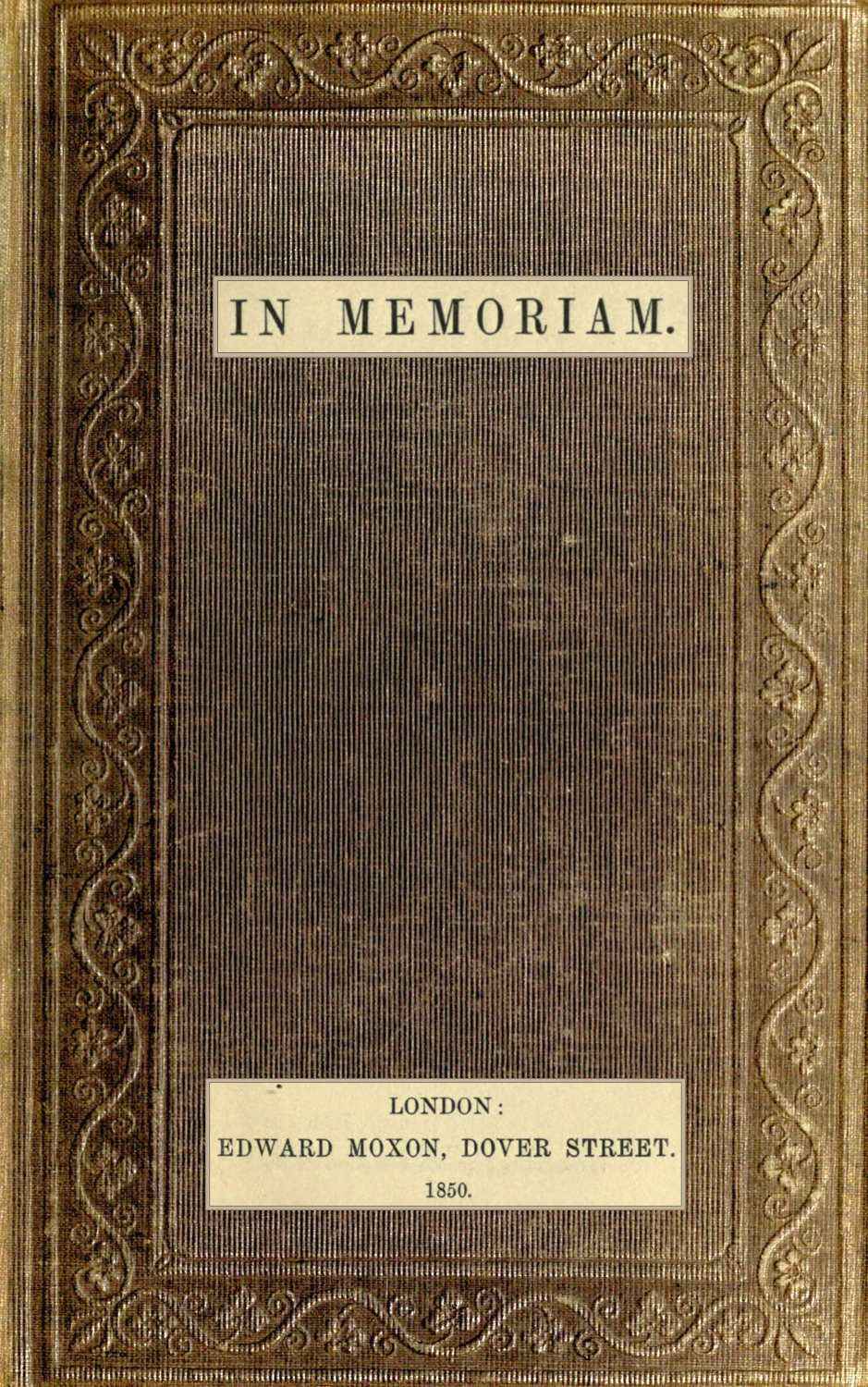
In Memoriam
1850
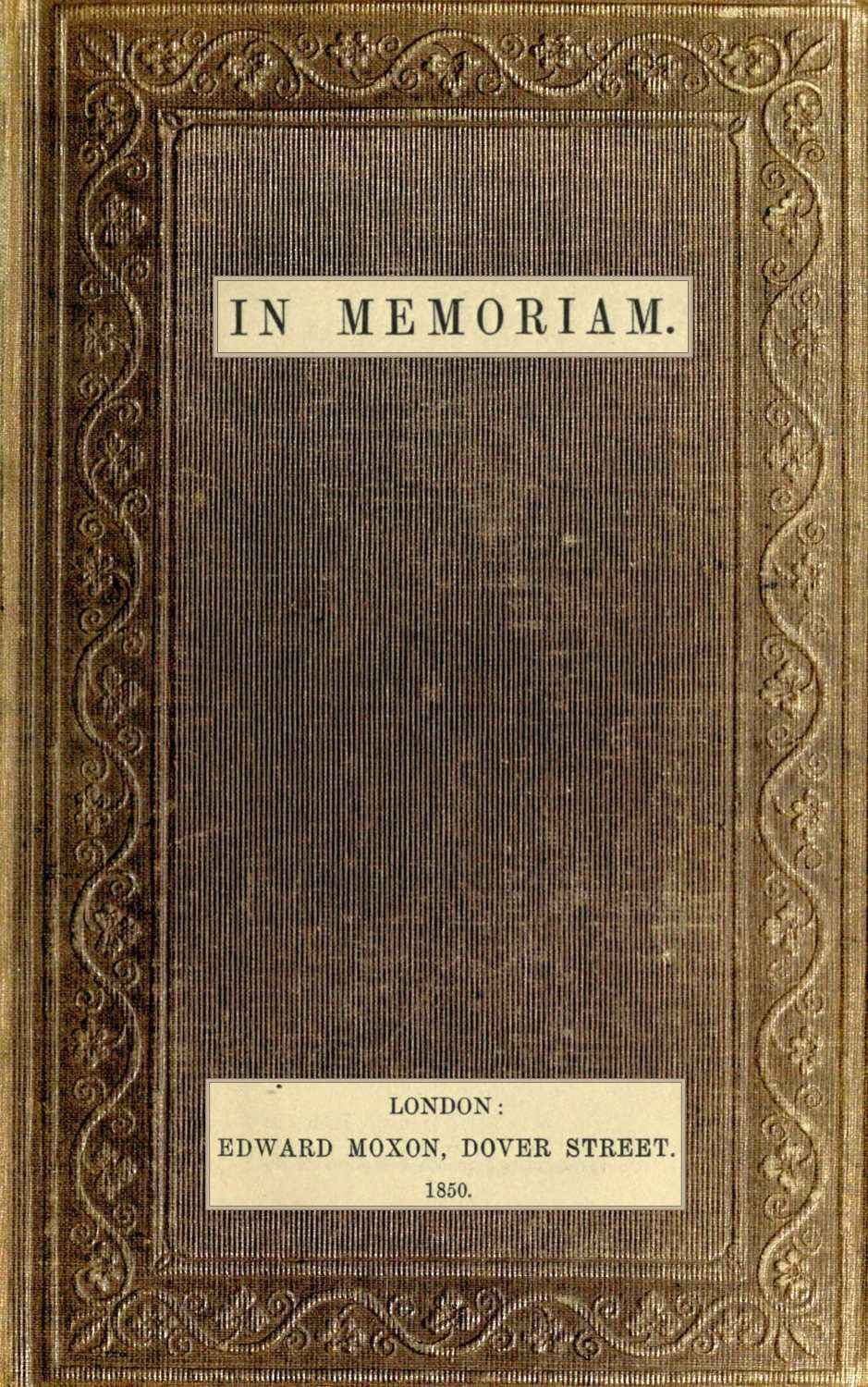
Written across seventeen years following the sudden death of his Cambridge friend Arthur Hallam at twenty-two, In Memoriam is an elegy that refuses to end. Tennyson maps his grief in real time, and it is messy, raw, swinging between despair and strange humor, doubt and desperate faith. The poem confronts the Victorian crisis of faith head-on: a universe that seems indifferent, science advancing, old certainties crumbling. Yet this is not nihilism. Through three Christmas seasons and ending at his sister's wedding, Tennyson finds something like resurrection after the long walk through the grave. In 133 cantos of ABBA stanzas now called In Memoriam stanzas, he transforms one man's private loss into the central modern question: how to believe in anything when the ground will not stop shifting beneath you. This is not comfort. It is the unvarnished work of grief, and it still stings.
Editions
X-Ray
“Tis better to have loved and lostThan never to have loved at all.””
— Alfred Tennyson, Baron Tennyson
“Be near me when my light is low,When the blood creeps, and the nerves prickAnd tingle; and the heart is sick,And all the wheels of Being slow.Be near me when the sensuous frameIs rack'd with pangs that conquer trust;And Time, a maniac scattering dust,And Life, a fury slinging flame.Be near me when my faith is dry,And men the flies of latter spring,That lay their eggs, and sting and singAnd weave their petty cells and die.Be near me when I fade away,To point the term of human strife,And on the low dark verge of lifeThe twilight of eternal day.””
— Alfred Tennyson, Baron Tennyson
“I hold it true, whate'er befall;I feel it when I sorrow most;'Tis better to have loved and lostThan never to have loved at all.””
— Alfred Tennyson, Baron Tennyson
“Ring out the old, ring in the new, Ring, happy bells, across the snow: The year is going, let him go;Ring out the false, ring in the true.””
— Alfred Tennyson, Baron Tennyson
“I sometimes hold it half a sinTo put in words the grief I feel;For words, like Nature, half revealAnd half conceal the Soul within.But, for the unquiet heart and brain,A use in measured language lies;The sad mechanic exercise,Like dull narcotics, numbing pain.In words, like weeds, I'll wrap me o'er,Like coarsest clothes against the cold:But that large grief which these enfoldIs given in outline and no more.””
— Alfred Tennyson, Baron Tennyson
“So runs my dream, but what am I?An infant crying in the nightAn infant crying for the lightAnd with no language but a cry.””
— Alfred Tennyson, Baron Tennyson
“I sometimes find it half a sin,To put to words the grief i feel,For words like nature,half reveal,and half conceal the soul within,””
— Alfred Tennyson, Baron Tennyson
“There rolls the deep where grew the tree. O earth, what changes hast thou seen! There where the long street roars, hath beenThe stillness of the central sea.The hills are shadows, and they flow From form to form, and nothing stands; They melt like mist, the solid lands,Like clouds they shape themselves and go.””
— Alfred Tennyson, Baron Tennyson
“I hold it truth, with him who singsTo one clear harp in divers tones,That men may rise on stepping-stonesOf their dead selves to higher things.””
— Alfred Tennyson, Baron Tennyson
Link to this book
Add a free, dofollow link to Lex on your blog, forum, syllabus, or reading list.

<a href="https://lex-books.com/book/in-memoriam-e1cff068-2971-48c1-a3b5-a0bb2b6d2059"><img src="https://lex-books.com/badges/read-on-lex.svg" alt="Read In Memoriam by Alfred Tennyson, Baron Tennyson free on Lex" width="160" height="40"></a>[](https://lex-books.com/book/in-memoriam-e1cff068-2971-48c1-a3b5-a0bb2b6d2059)[url=https://lex-books.com/book/in-memoriam-e1cff068-2971-48c1-a3b5-a0bb2b6d2059][img]https://lex-books.com/badges/read-on-lex.svg[/img][/url]Read In Memoriam by Alfred Tennyson, Baron Tennyson free on Lex: https://lex-books.com/book/in-memoriam-e1cff068-2971-48c1-a3b5-a0bb2b6d2059Cite this book
Reading this edition for a paper or guide? Copy a citation.
Alfred Tennyson, Baron Tennyson. In Memoriam. Lex, lex-books.com/book/in-memoriam-e1cff068-2971-48c1-a3b5-a0bb2b6d2059.Alfred Tennyson, B. T. (1850). In Memoriam. Lex. https://lex-books.com/book/in-memoriam-e1cff068-2971-48c1-a3b5-a0bb2b6d2059Alfred Tennyson, Baron Tennyson. In Memoriam. Lex. https://lex-books.com/book/in-memoriam-e1cff068-2971-48c1-a3b5-a0bb2b6d2059.