History of the Conflict Between Religion and Science
1874
History of the Conflict Between Religion and Science
1874
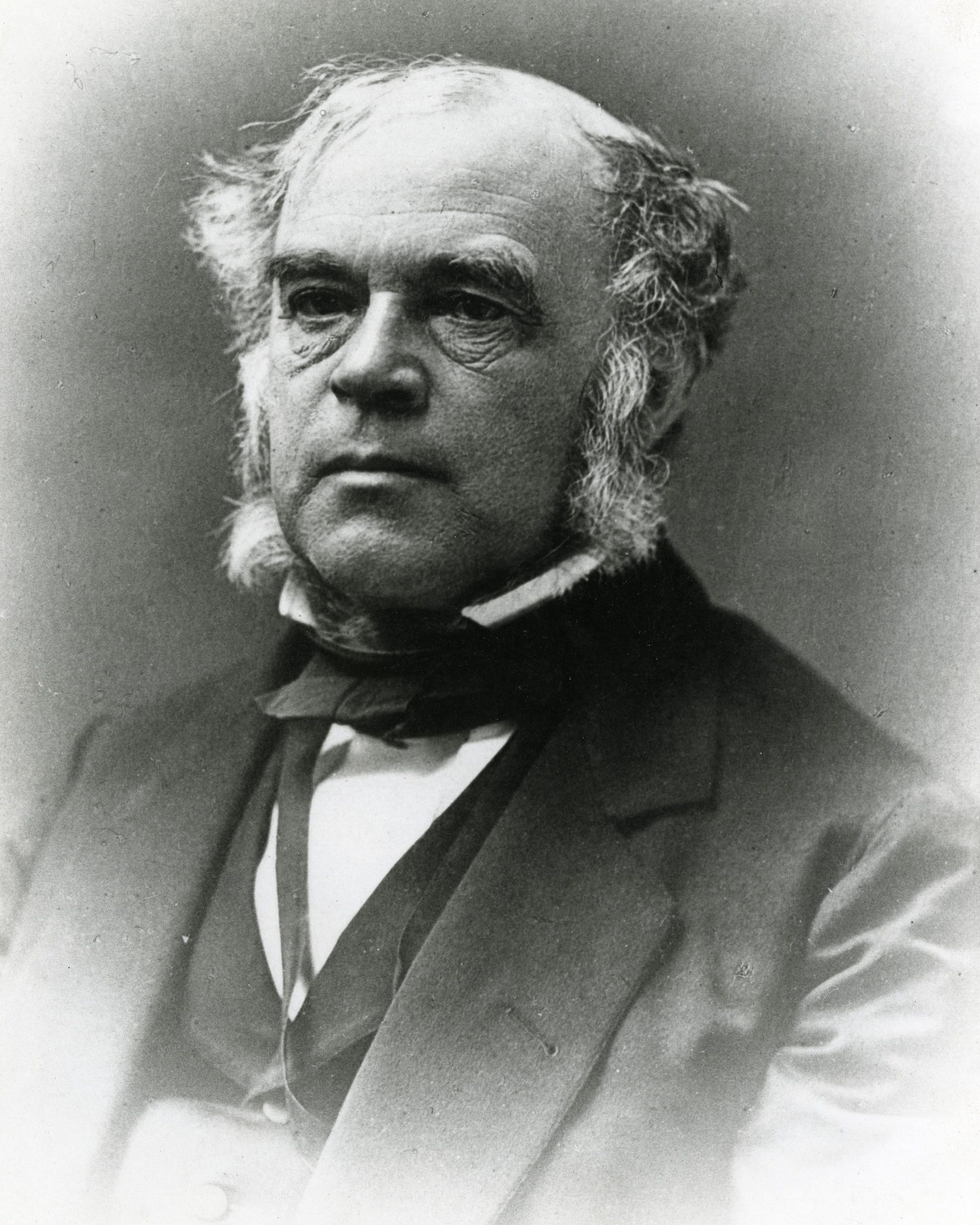
One of the most consequential and controversial texts in the history of science, John William Draper's 1874 manifesto argued that religion and science have been locked in an existential struggle from ancient times to the modern age. Draper, a chemist and early photographer, traces this conflict from the Babylonian captivity of the Jews through the Church's suppression of Copernican astronomy to Galileo's trial, presenting science as the relentless force of reason battling religious dogma for control of human understanding. The book helped crystallize what became known as the 'conflict thesis', the idea that science and faith are inherently opposed, and shaped how generations understood the relationship between knowledge and belief. Written during Victorian anxieties about secularization and the accelerating pace of discovery, Draper's work is less a neutral history than a passionate brief for scientific rationalism, one that has been both celebrated as a defense of enlightenment and criticized for oversimplifying a far more complex relationship between the two spheres.
Editions
X-Ray
“The history of Science is not a mere record of isolated discoveries; it is a narrative of the conflict of two contending powers, the expansive force of the human intellect on one side, and the compression arising from traditionary faith and human interests on the other.””
— John William Draper
“As to Science, she has never sought to ally herself to civil power. She has never attempted to throw odium or inflict social ruin on any human being. She has never subjected anyone to mental torment, physical torture, least of all to death, for the purpose of upholding or promoting her ideas. She presents herself unstained by cruelties and crimes. But in the Vatican”
— John William Draper
About History of the Conflict Between Religion and Science
Chapter Summaries
- Preface
- Draper explains his motivation for writing about the conflict between religion and science, noting the widespread departure from traditional religious faith among intelligent classes. He argues that this conflict represents the most important issue of modern times and positions himself as an impartial historian documenting both sides.
- 1
- Describes how Greek mythology declined through philosophical criticism and geographical discovery, leading to the Macedonian campaigns that brought East and West into contact. The establishment of the Alexandrian Museum under the Ptolemies created the first systematic approach to scientific inquiry based on observation and experiment.
- 2
- Traces Christianity's development from a pure moral system under persecution to a political institution under Constantine. The paganization of Christianity through the adoption of pagan practices and the alliance with civil power fundamentally changed its character and brought it into conflict with learning.
Key Themes
- Authority vs. Reason
- The central theme examining how religious institutions have historically opposed scientific inquiry when it challenges established doctrine. Draper argues that progress requires the triumph of reason over arbitrary authority.
- The Corruption of Power
- The transformation of Christianity from a pure moral system into a political institution corrupted by wealth and power. Constantine's reign marks the beginning of Christianity's alliance with civil authority and its subsequent persecution of dissent.
- The Unity of Truth
- The idea that truth is singular and universal, whether discovered through scientific investigation or genuine religious insight. Conflicts arise when institutions claim exclusive access to truth while opposing empirical investigation.
Characters
- John William Draper(protagonist)
- The author and narrator, a professor at the University of New York who presents a historical analysis of the conflict between religious authority and scientific inquiry. He positions himself as an impartial observer documenting the struggle between faith and reason.
- Constantine(major)
- The first Christian emperor who transformed Christianity from a persecuted religion into a political system. His reign marked the paganization of Christianity and the beginning of its alliance with civil power.
- Tertullian(major)
- Early Christian apologist whose writings represent pure Christianity before its corruption by political power. His 'Apology' demonstrates the noble character of early Christian belief and practice.
- St. Augustine(major)
- Influential Church Father who made the Bible the arbiter of all knowledge and brought science and religion into antagonism. His philosophical writings were characterized by mysticism and anthropomorphic conceptions of God.
- Mohammed(major)
- Arabian prophet who founded Islam based on the unity of God, rejecting Christian Trinitarian doctrines. His teachings led to the conquest of much of the Christian world and the restoration of scientific learning.
- Hypatia(major)
- Alexandrian philosopher and mathematician murdered by Christian mobs under Cyril's instigation. Her death symbolized the end of Greek philosophy and the triumph of religious fanaticism over learning.
Link to this book
Add a free, dofollow link to Lex on your blog, forum, syllabus, or reading list.

<a href="https://lex-books.com/book/history-of-the-conflict-between-religion-and-science-4e30f63e-b10c-4543-8db5-36a4c786d626"><img src="https://lex-books.com/badges/read-on-lex.svg" alt="Read History of the Conflict Between Religion and Science by John William Draper free on Lex" width="160" height="40"></a>[](https://lex-books.com/book/history-of-the-conflict-between-religion-and-science-4e30f63e-b10c-4543-8db5-36a4c786d626)[url=https://lex-books.com/book/history-of-the-conflict-between-religion-and-science-4e30f63e-b10c-4543-8db5-36a4c786d626][img]https://lex-books.com/badges/read-on-lex.svg[/img][/url]Read History of the Conflict Between Religion and Science by John William Draper free on Lex: https://lex-books.com/book/history-of-the-conflict-between-religion-and-science-4e30f63e-b10c-4543-8db5-36a4c786d626Cite this book
Reading this edition for a paper or guide? Copy a citation.
Draper, John William. History of the Conflict Between Religion and Science. Lex, lex-books.com/book/history-of-the-conflict-between-religion-and-science-4e30f63e-b10c-4543-8db5-36a4c786d626.Draper, J. W. (1874). History of the Conflict Between Religion and Science. Lex. https://lex-books.com/book/history-of-the-conflict-between-religion-and-science-4e30f63e-b10c-4543-8db5-36a4c786d626Draper, John William. History of the Conflict Between Religion and Science. Lex. https://lex-books.com/book/history-of-the-conflict-between-religion-and-science-4e30f63e-b10c-4543-8db5-36a4c786d626.