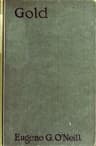
Gold: A Play in Four Acts
1920
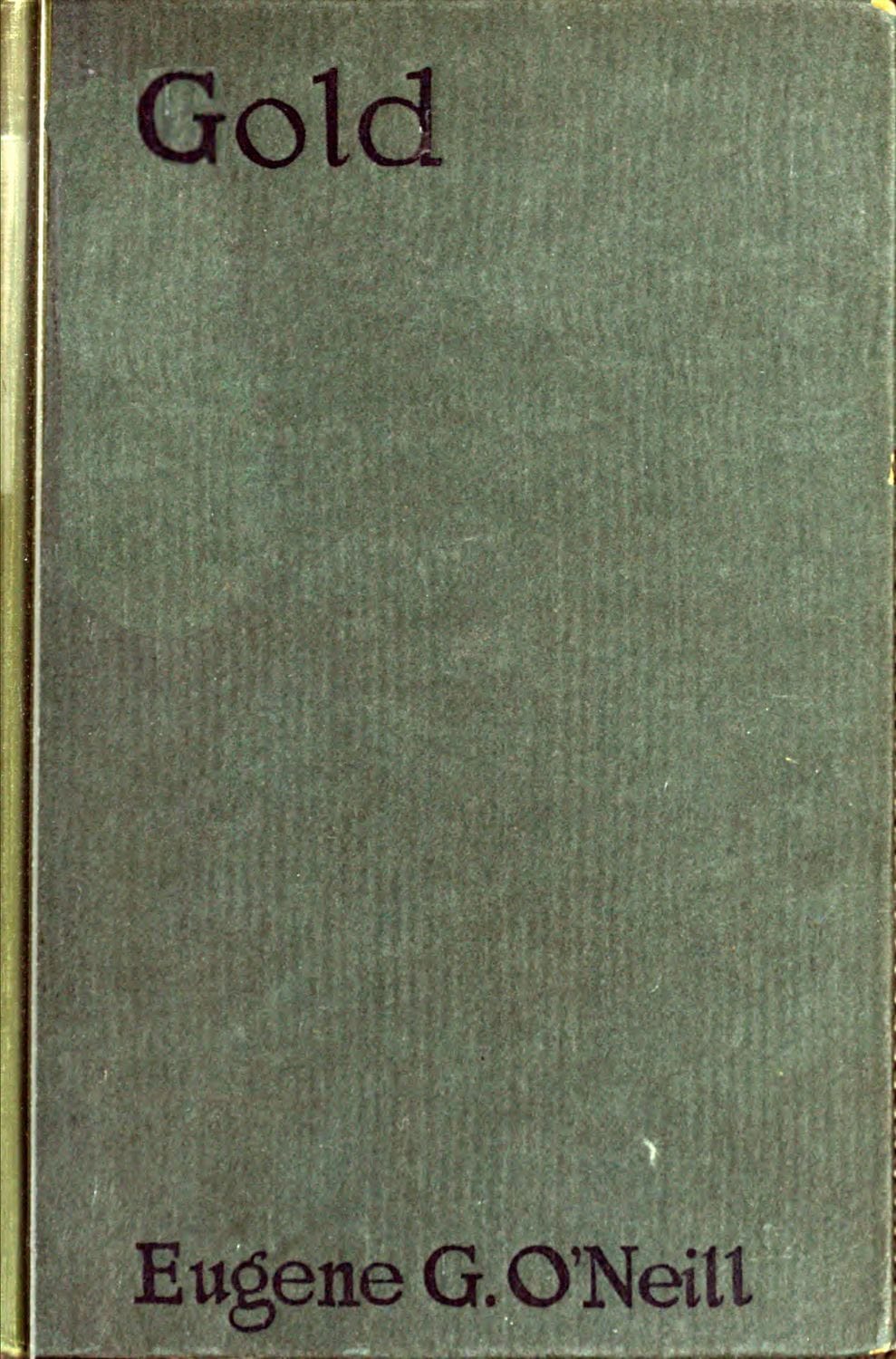
Whale ship sunk, crew stranded on a scorched coral atoll in the Malay Archipelago. What they find in the sand might be gold, or might be nothing but the fever-dream of men dying of thirst. Eugene O'Neill's 1920 play is a pressure cooker of greed, madness, and moral collapse, tracking how the promise of treasure unmoors even the most steadfast souls. Captain Bartlett and his men, delirious with heat and hope, turn on each other as the yellow metal divides them into factions, each convinced they'll be the one to carry fortune home. Young Abel, the only voice of doubt in the chorus, watches the corruption unfold with a clarity that makes his silence almost unbearable. O'Neill wrote this early work before his masterpiece years, but the signature intensity burns through every act. The play asks what people become when civilization's rules no longer apply, when rescue seems impossible and a chest of glittering fool's gold sits waiting on the beach. It's brutal, unflinching theater that sees the worst in men while never quite giving up on the possibility of grace. For readers who want their drama dark, their metaphors heavy, and their conclusions unresolved.
Editions
Link to this book
Add a free, dofollow link to Lex on your blog, forum, syllabus, or reading list.

<a href="https://lex-books.com/book/gold-a-play-in-four-acts-3e8653ba-52ec-4977-a920-b34ad04d4773"><img src="https://lex-books.com/badges/read-on-lex.svg" alt="Read Gold: A Play in Four Acts by Eugene O'Neill free on Lex" width="160" height="40"></a>[](https://lex-books.com/book/gold-a-play-in-four-acts-3e8653ba-52ec-4977-a920-b34ad04d4773)[url=https://lex-books.com/book/gold-a-play-in-four-acts-3e8653ba-52ec-4977-a920-b34ad04d4773][img]https://lex-books.com/badges/read-on-lex.svg[/img][/url]Read Gold: A Play in Four Acts by Eugene O'Neill free on Lex: https://lex-books.com/book/gold-a-play-in-four-acts-3e8653ba-52ec-4977-a920-b34ad04d4773Cite this book
Reading this edition for a paper or guide? Copy a citation.
O'Neill, Eugene. Gold: A Play in Four Acts. Lex, lex-books.com/book/gold-a-play-in-four-acts-3e8653ba-52ec-4977-a920-b34ad04d4773.O'Neill, E. (1920). Gold: A Play in Four Acts. Lex. https://lex-books.com/book/gold-a-play-in-four-acts-3e8653ba-52ec-4977-a920-b34ad04d4773O'Neill, Eugene. Gold: A Play in Four Acts. Lex. https://lex-books.com/book/gold-a-play-in-four-acts-3e8653ba-52ec-4977-a920-b34ad04d4773.