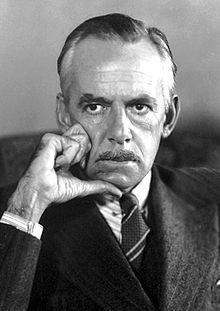
Eugene O'Neill
Eugene O'Neill was a pioneering American playwright whose works significantly shaped the landscape of modern theater. He was among the first to introduce realism to American drama, drawing inspiration from European masters like Chekhov, Ibsen, and Strindberg. O'Neill's plays often featured characters grappling with disillusionment and despair, reflecting the complexities of human experience. His most acclaimed work, Long Day's Journey into Night, is frequently regarded as one of the greatest American plays of the 20th century, alongside other classics such as A Streetcar Named Desire and Death of a Salesman. Throughout his career, O'Neill's innovative use of American English vernacular and his focus on marginalized characters set him apart from his contemporaries. He was awarded the Nobel Prize in Literature in 1936, becoming the first American playwright to receive this honor. Additionally, O'Neill remains the only playwright to have won four Pulitzer Prizes for Drama, underscoring his profound impact on the theatrical world. His legacy endures through his exploration of the human condition, making him a central figure in American literature and drama.
Famous Quotes
View all 18 quotes“I am so far from being a pessimist...on the contrary, in spite of my scars, I am tickled to death at life.””
“None of us can help the things life has done to us. They’re done before you realize it, and once they’re done they make you do other things until at last everything comes between you and what you’d like to be, and you’ve lost your true self forever.””
“Why am I afraid to dance, I who love music and rhythm and grace and song and laughter? Why am I afraid to live, I who love life and the beauty of flesh and the living colors of the earth and sky and sea? Why am I afraid to love, I who love love?””
Books from the author
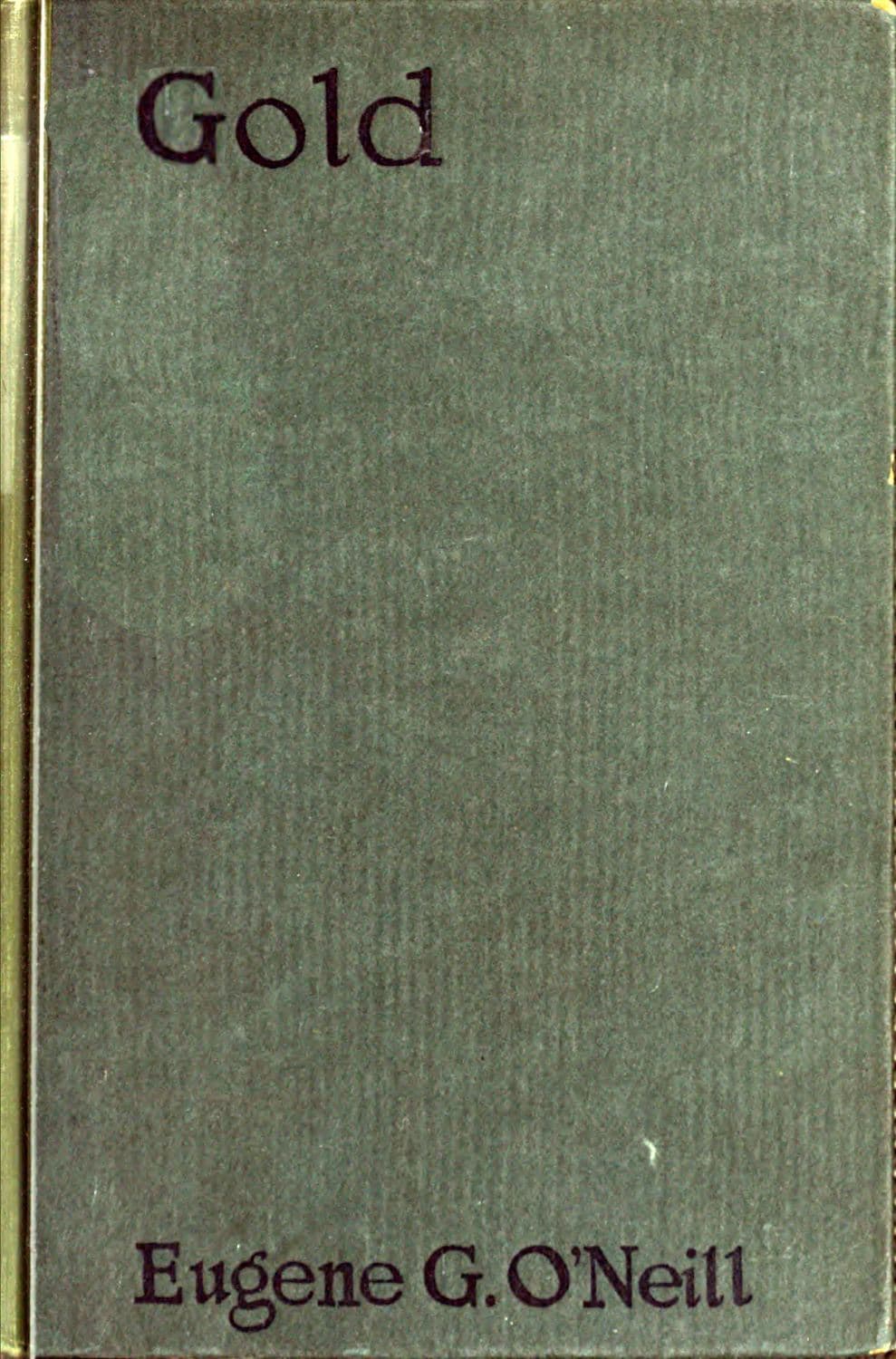


Link to this page
Add a free, dofollow link to Lex on your blog, forum, syllabus, or reading list.

<a href="https://lex-books.com/author/eugene-oneill"><img src="https://lex-books.com/badges/read-on-lex.svg" alt="Eugene O'Neill on Lex" width="160" height="40"></a>[](https://lex-books.com/author/eugene-oneill)[url=https://lex-books.com/author/eugene-oneill][img]https://lex-books.com/badges/read-on-lex.svg[/img][/url]Eugene O'Neill on Lex: https://lex-books.com/author/eugene-oneill