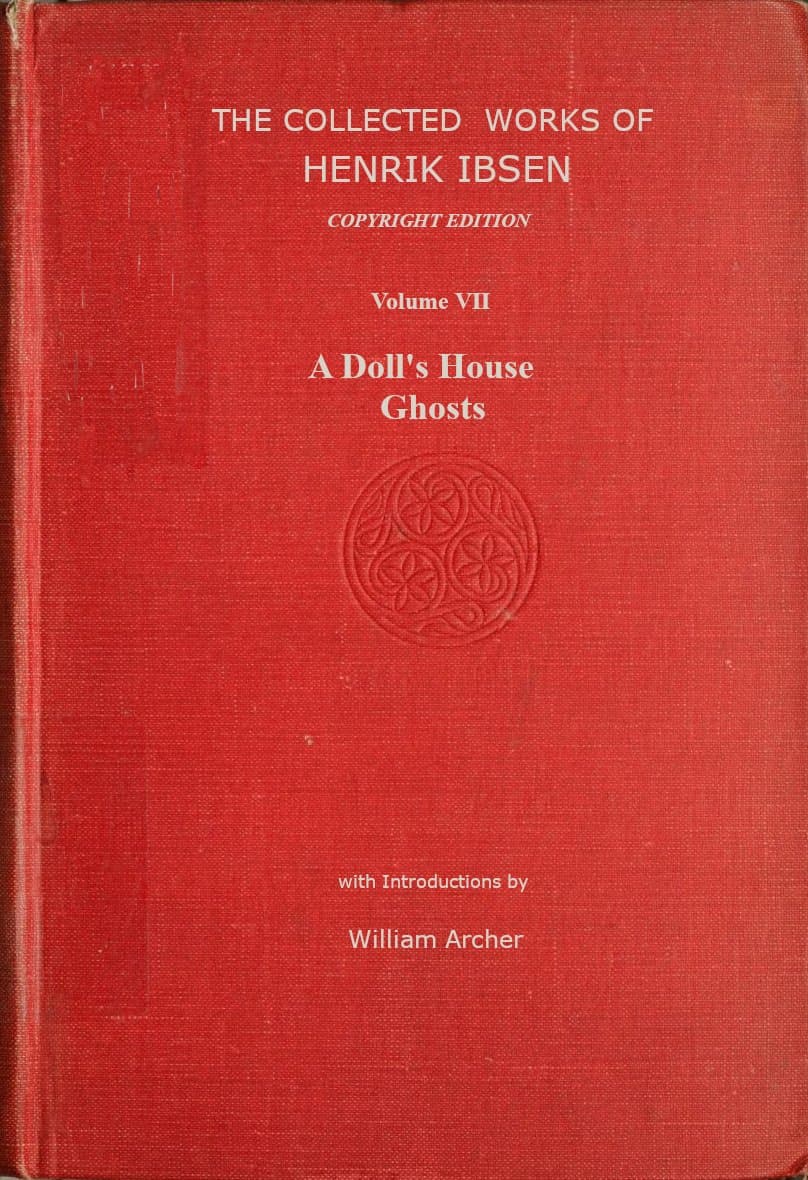
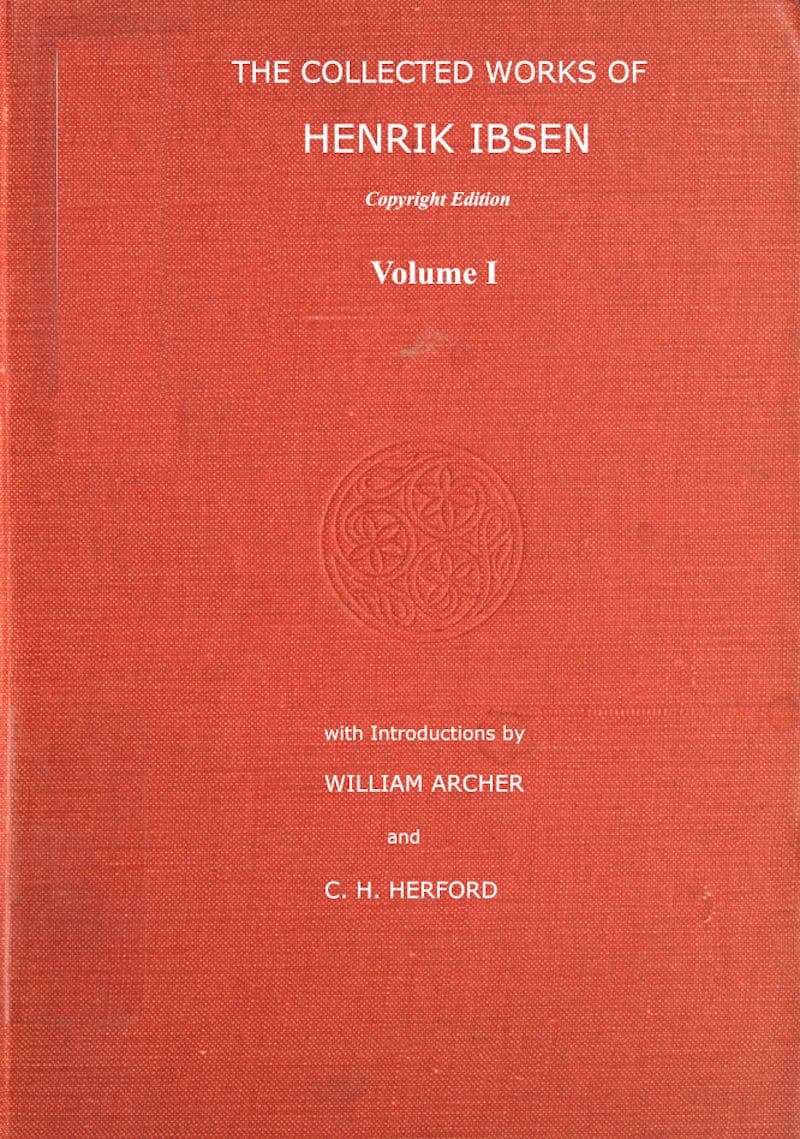
Ghosts
In a remote Norwegian farmhouse, Mrs. Alving prepares to unveil a memorial to her late husband, a respected sea captain whose virtuous reputation she has carefully maintained. But when her son Oswald returns from Paris, the past erupts into the present. What unfolds is a devastating excavation of family secrets: the syphilis her husband spread, the illegitimate child, the pastor who once seduced her and still controls her conscience. Ibsen strips away Victorian moral pretense to expose the generational inheritance of sin, disease, and hypocrisy. The ghosts are not supernatural but psychological, the weight of lies that bind each character to their role in a tragic charade. Written in 1881 when such truths could get a play banned in England, Ghosts remains theatre as surgical incision into bourgeois respectability. It is a chilling reminder that the past never stays buried, that respectability is often just another word for repression, and that the sins of parents become the suffering of children.
Editions
X-Ray
“It is the very mark of the spirit of rebellion to crave for happiness in this life””
— Henrik Ibsen
“It's not only what we have inherited from our father and mother that walks in us. It's all sorts of dead ideas, and lifeless old beliefs, and so forth. They have no vitality, but they cling to us all the same, and we can't get rid of them.””
— Henrik Ibsen
“I am half inclined to think we are all ghosts…it is not only what we have inherited from our fathers and mothers that exists again in us, but all sorts of old dead ideas and all kinds of old dead beliefs and things of that kind. They are not actually alive in us; but there they are dormant all the same, and we can never be rid of them. Whenever I take up a newspaper and read it, I fancy I see ghosts creeping between the lines. There must be ghosts all over the world. They must be as countless as the grains of the sands, it seems to me. And we are so miserably afraid of the light, all of us.””
— Henrik Ibsen
“I thought you understood where I'd lost what you call my heart at the time.””
— Henrik Ibsen
“People so easily forget their past selves.””
— Henrik Ibsen
“OSWALD: [Repeats, in a dull, toneless voice.] The sun. The sun.””
— Henrik Ibsen
“Ja, De tvang meg inn under det som De kalte plikt og skyldighet; da De lovpriste som rett og riktig hva hele mitt sinn opprørte seg imot noe vederstyggelig. Da var det jeg begynte å se Deres lærdomme efter i sømmene. Jeg ville bare pille ved en eneste knute; men da jeg hadde fått den løst, så raknet det opp alt sammen. Og så skjønte jeg at det var maskinsøm.””
— Henrik Ibsen
“What right have we human beings to happiness?””
— Henrik Ibsen
“io credo che anche noi, tutti noi non siamonient'altro che degli spettri... in noi continua a circolare e a scorrere e a vivere non soltanto ciò che abbiamo ereditatodai nostri genitori, dico il sangue paterno e materno, ma anche tutti i pensieri immaginabili che sono già stati pensati, levecchie credenze morte e sepolte, ogni specie di cose antiche e defunte a cui un tempo si è prestato fede e così via, inuna catena senza fine. Fantasmi senza vita che però si annidano nel nostro sangue, e che noi non possiamo scacciare.Basta che io prenda un giornale, e mi metta a leggere, e mi sembra di vedere degli spettri che scivolano e sgusciano frale righe... ah, devono essere tanti, innumerevoli come i granelli di sabbia nel mare... e noi tutti viviamo nell'ombra,timorosi della luce, della chiarezza, della verità..””
— Henrik Ibsen
Link to this book
Add a free, dofollow link to Lex on your blog, forum, syllabus, or reading list.

<a href="https://lex-books.com/book/ghosts-457d8985-25e0-46bf-8631-e9925d0d4110"><img src="https://lex-books.com/badges/read-on-lex.svg" alt="Read Ghosts by Henrik Ibsen free on Lex" width="160" height="40"></a>[](https://lex-books.com/book/ghosts-457d8985-25e0-46bf-8631-e9925d0d4110)[url=https://lex-books.com/book/ghosts-457d8985-25e0-46bf-8631-e9925d0d4110][img]https://lex-books.com/badges/read-on-lex.svg[/img][/url]Read Ghosts by Henrik Ibsen free on Lex: https://lex-books.com/book/ghosts-457d8985-25e0-46bf-8631-e9925d0d4110Cite this book
Reading this edition for a paper or guide? Copy a citation.
Ibsen, Henrik. Ghosts. Lex, lex-books.com/book/ghosts-457d8985-25e0-46bf-8631-e9925d0d4110.Ibsen, H. (n.d.). Ghosts. Lex. https://lex-books.com/book/ghosts-457d8985-25e0-46bf-8631-e9925d0d4110Ibsen, Henrik. Ghosts. Lex. https://lex-books.com/book/ghosts-457d8985-25e0-46bf-8631-e9925d0d4110.