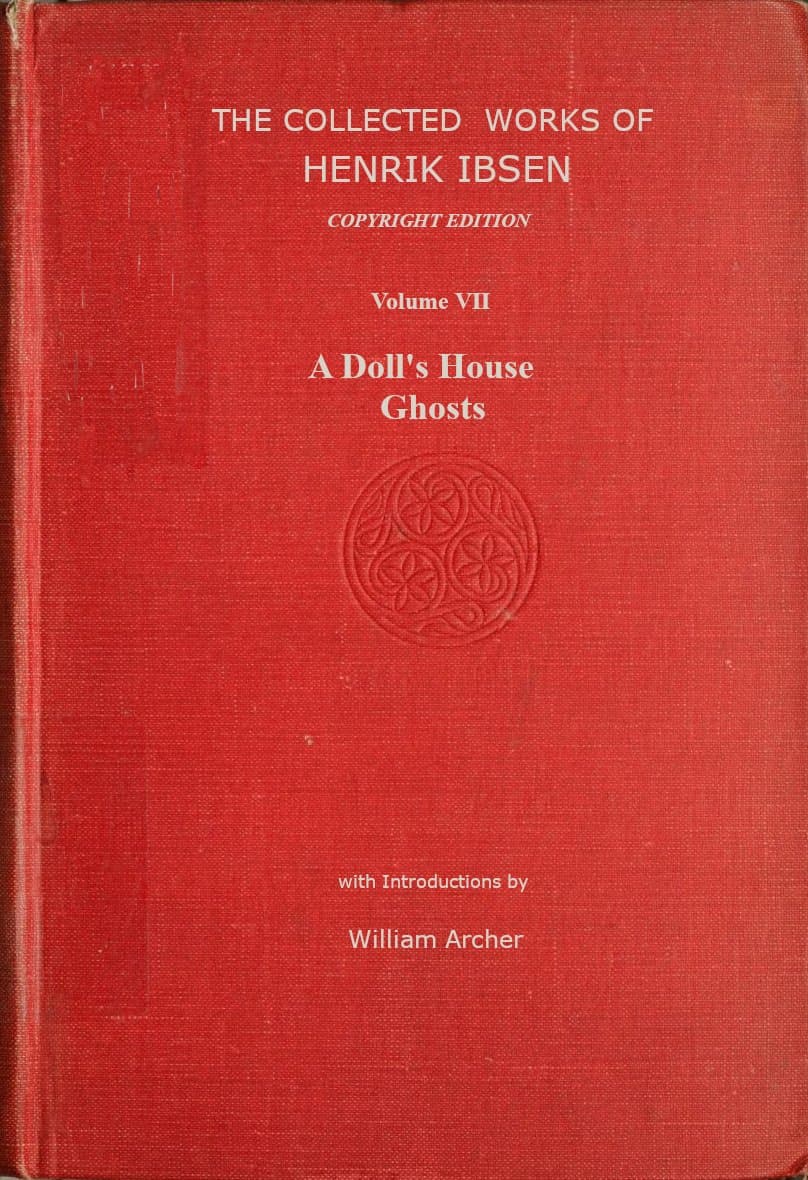
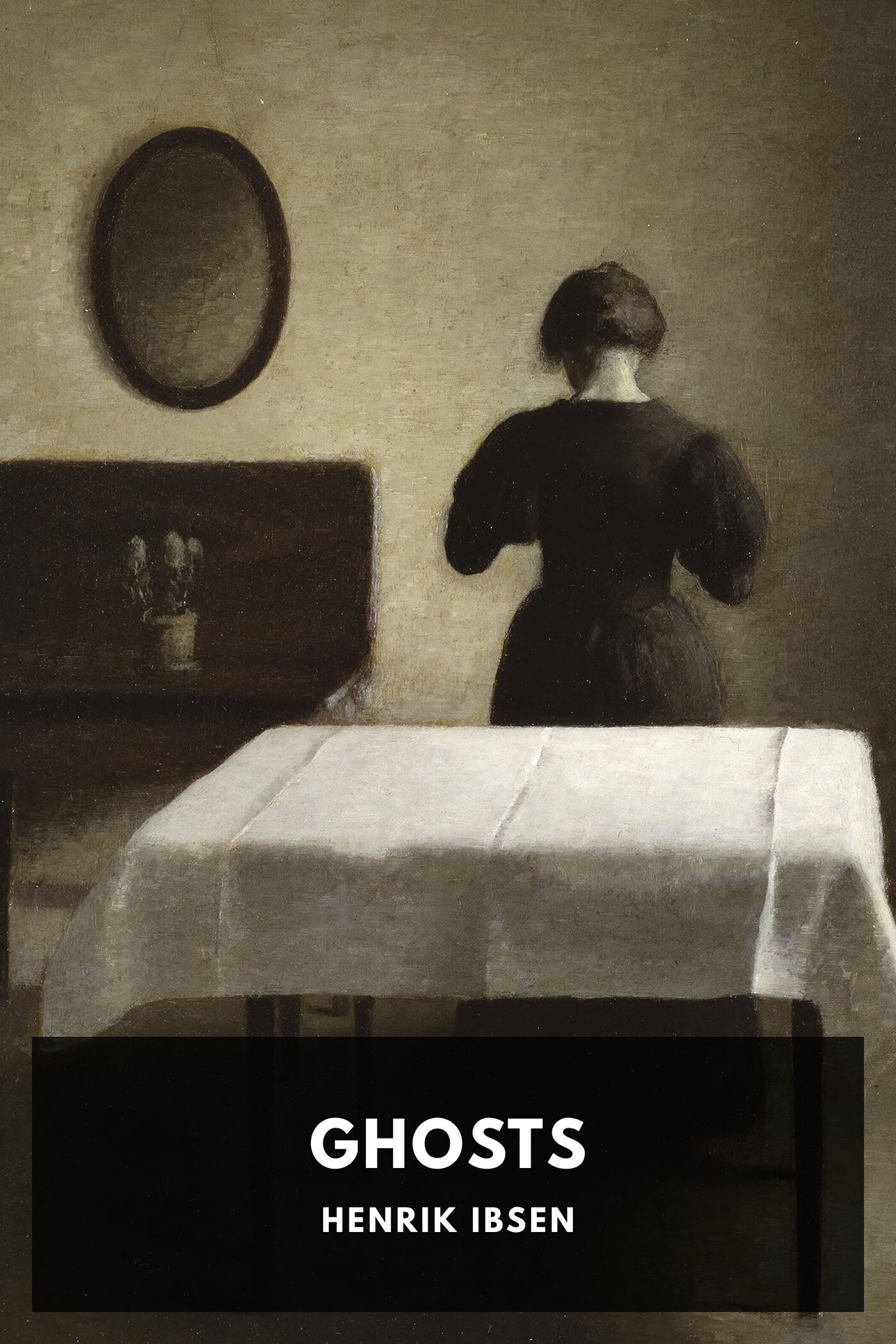
Ghosts
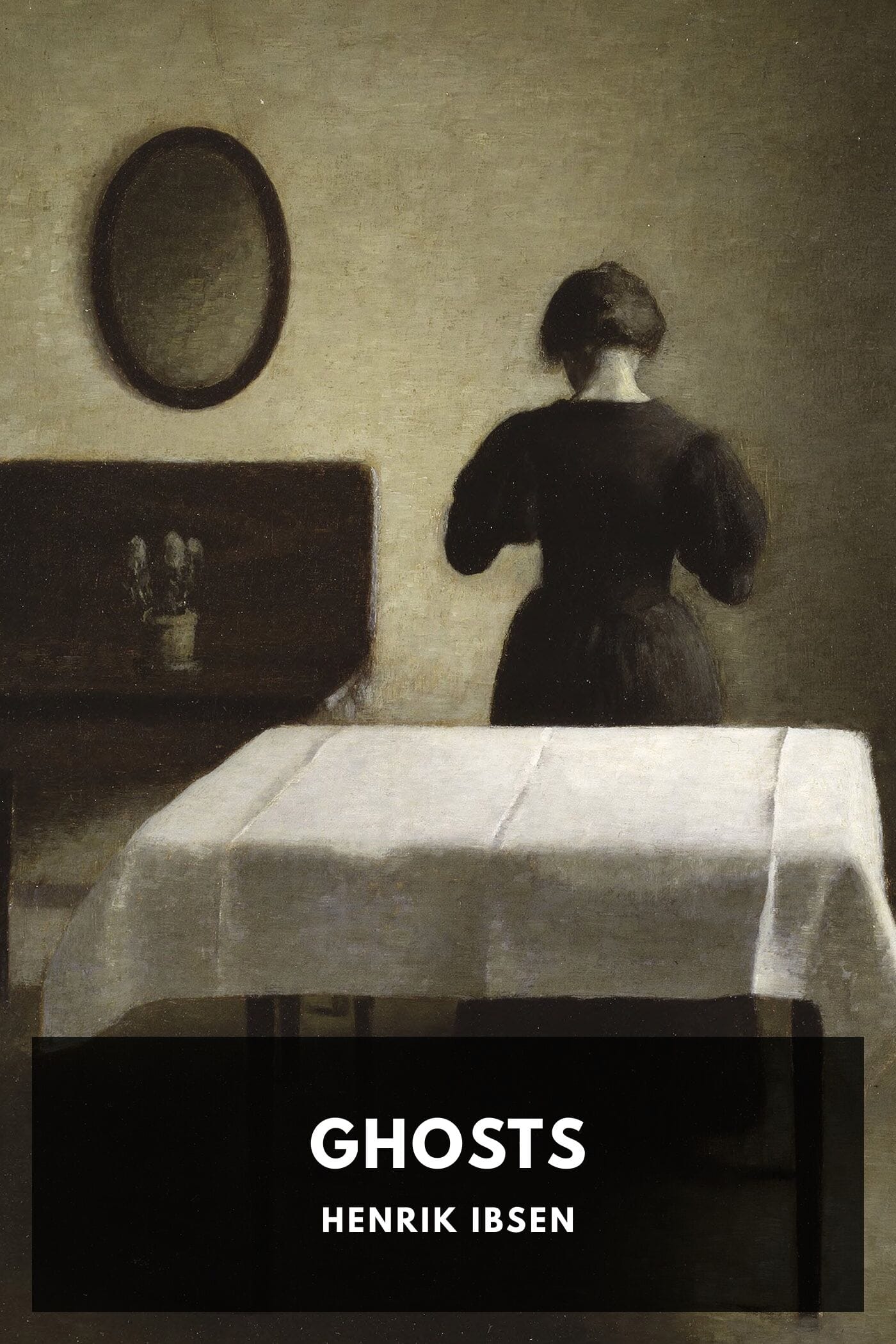
In Ibsen's searing three-act tragedy, *Ghosts*, the formidable Mrs. Alving has meticulously constructed a facade of respectability around the memory of her late husband, Captain Alving, a man she privately despises. Her son, Oswald, returns home, a promising artist whose bohemian lifestyle clashes with his mother's carefully curated world. However, Oswald carries a deeper, more insidious inheritance: the 'ghosts' of his father's debauchery manifest as a devastating illness, forcing Mrs. Alving to confront the truths she has buried for decades, including the disturbing implications for Oswald's relationship with the family's maid, Regina, his supposed half-sister. The play relentlessly peels back the layers of societal hypocrisy, revealing the rot beneath the gilded cage of 19th-century morality and its catastrophic consequences for the innocent. Written in 1881, *Ghosts* was a theatrical bombshell, igniting outrage for its frank engagement with venereal disease, incest, and euthanasia—themes deemed scandalous and unspeakable in Victorian society. Ibsen’s unflinching realism and psychological depth shattered the conventions of melodramatic theater, ushering in a new era of modern drama that dared to examine uncomfortable truths rather than escapist fantasies. Its enduring power lies in its indictment of inherited guilt, the suffocating grip of societal expectation, and the devastating price of living a lie, making it a vital and unsettling read even today.
Editions
Link to this book
Add a free, dofollow link to Lex on your blog, forum, syllabus, or reading list.

<a href="https://lex-books.com/book/ghosts-2101e0db-0ed7-43fc-838a-bd1a377a296f"><img src="https://lex-books.com/badges/read-on-lex.svg" alt="Read Ghosts by Henrik Ibsen free on Lex" width="160" height="40"></a>[](https://lex-books.com/book/ghosts-2101e0db-0ed7-43fc-838a-bd1a377a296f)[url=https://lex-books.com/book/ghosts-2101e0db-0ed7-43fc-838a-bd1a377a296f][img]https://lex-books.com/badges/read-on-lex.svg[/img][/url]Read Ghosts by Henrik Ibsen free on Lex: https://lex-books.com/book/ghosts-2101e0db-0ed7-43fc-838a-bd1a377a296fCite this book
Reading this edition for a paper or guide? Copy a citation.
Ibsen, Henrik. Ghosts. Lex, lex-books.com/book/ghosts-2101e0db-0ed7-43fc-838a-bd1a377a296f.Ibsen, H. (n.d.). Ghosts. Lex. https://lex-books.com/book/ghosts-2101e0db-0ed7-43fc-838a-bd1a377a296fIbsen, Henrik. Ghosts. Lex. https://lex-books.com/book/ghosts-2101e0db-0ed7-43fc-838a-bd1a377a296f.