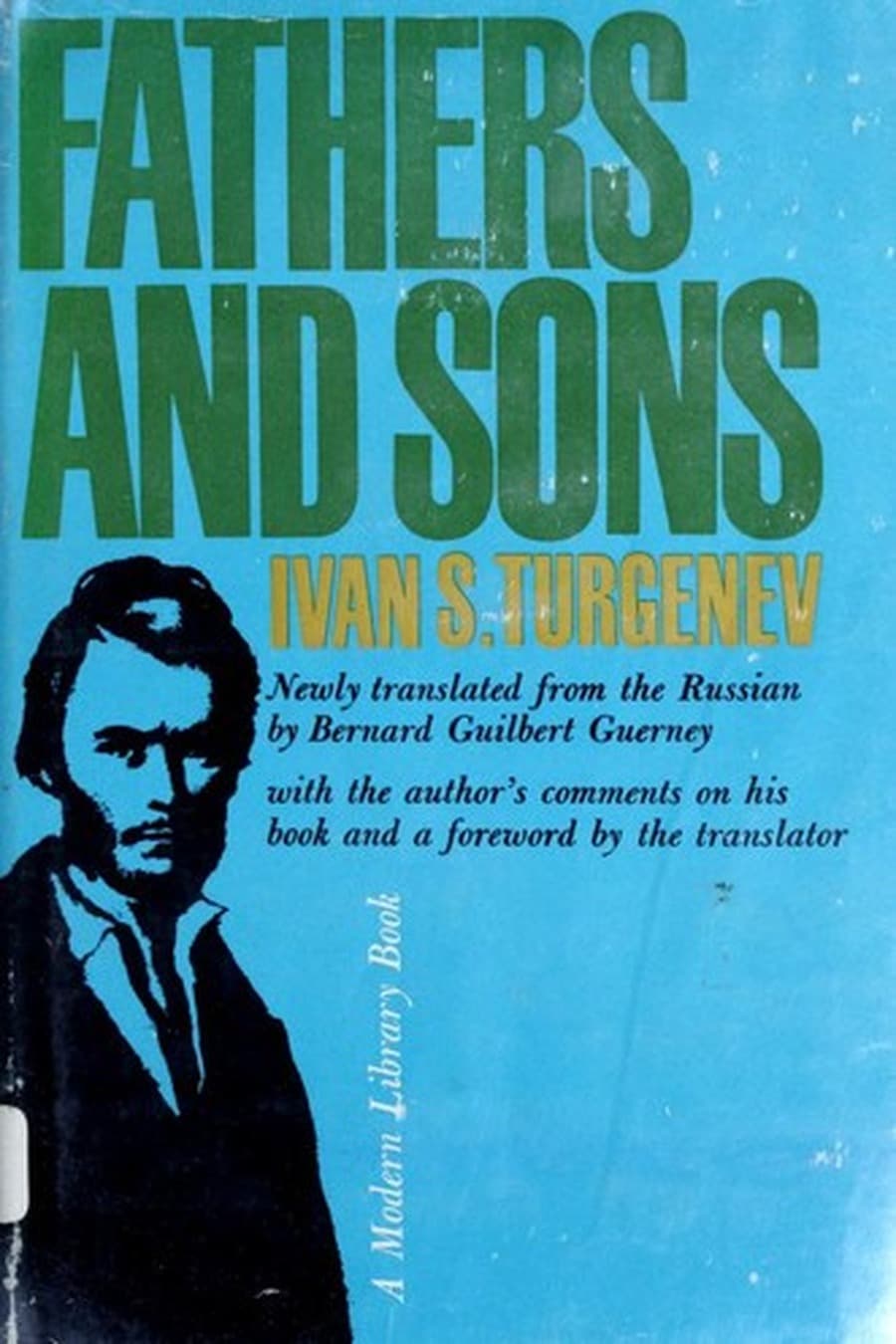
Fathers and Sons
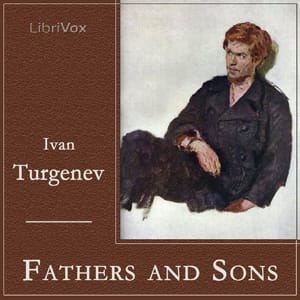
The novel that predicted the revolutionary soul. When twenty-year-old Arkady Kirsanov brings his friend Bazarov home to meet his father, he brings a force of nature into their tranquil estate. Bazarov is a nihilist: he denies every inherited truth, every sacred institution, every sentiment his elders hold dear. He believes in nothing but what can be proved by science and experience. To the older generation, he is either terrifying or exhilarating. To Arkady, he is the future. Turgenev wrote Fathers and Sons in 1862, barely a decade before the first stirrings of what would become the Russian Revolution. In Bazarov, he created the archetype of the radical who will tear down the old world - brilliant, contradictory, utterly certain, and doomed. The novel traces the collision between generations not as a simple polemic but as something far more painful: a tragedy of love across an unbridgeable divide. The fathers cannot understand the sons. The sons cannot forgive the fathers for needing to be understood. It endures because it asks a question we still cannot answer: what happens when the children are right but their certainty destroys them anyway?
Editions

Link to this book
Add a free, dofollow link to Lex on your blog, forum, syllabus, or reading list.

<a href="https://lex-books.com/book/fathers-and-sons-563893fb-8df6-4a16-aca6-a9c6fe2cefe7"><img src="https://lex-books.com/badges/read-on-lex.svg" alt="Read Fathers and Sons by Ivan Turgenev free on Lex" width="160" height="40"></a>[](https://lex-books.com/book/fathers-and-sons-563893fb-8df6-4a16-aca6-a9c6fe2cefe7)[url=https://lex-books.com/book/fathers-and-sons-563893fb-8df6-4a16-aca6-a9c6fe2cefe7][img]https://lex-books.com/badges/read-on-lex.svg[/img][/url]Read Fathers and Sons by Ivan Turgenev free on Lex: https://lex-books.com/book/fathers-and-sons-563893fb-8df6-4a16-aca6-a9c6fe2cefe7Cite this book
Reading this edition for a paper or guide? Copy a citation.
Turgenev, Ivan. Fathers and Sons. Lex, lex-books.com/book/fathers-and-sons-563893fb-8df6-4a16-aca6-a9c6fe2cefe7.Turgenev, I. (n.d.). Fathers and Sons. Lex. https://lex-books.com/book/fathers-and-sons-563893fb-8df6-4a16-aca6-a9c6fe2cefe7Turgenev, Ivan. Fathers and Sons. Lex. https://lex-books.com/book/fathers-and-sons-563893fb-8df6-4a16-aca6-a9c6fe2cefe7.