El Filibusterismo (continuación Del Noli Me Tángere)
1900
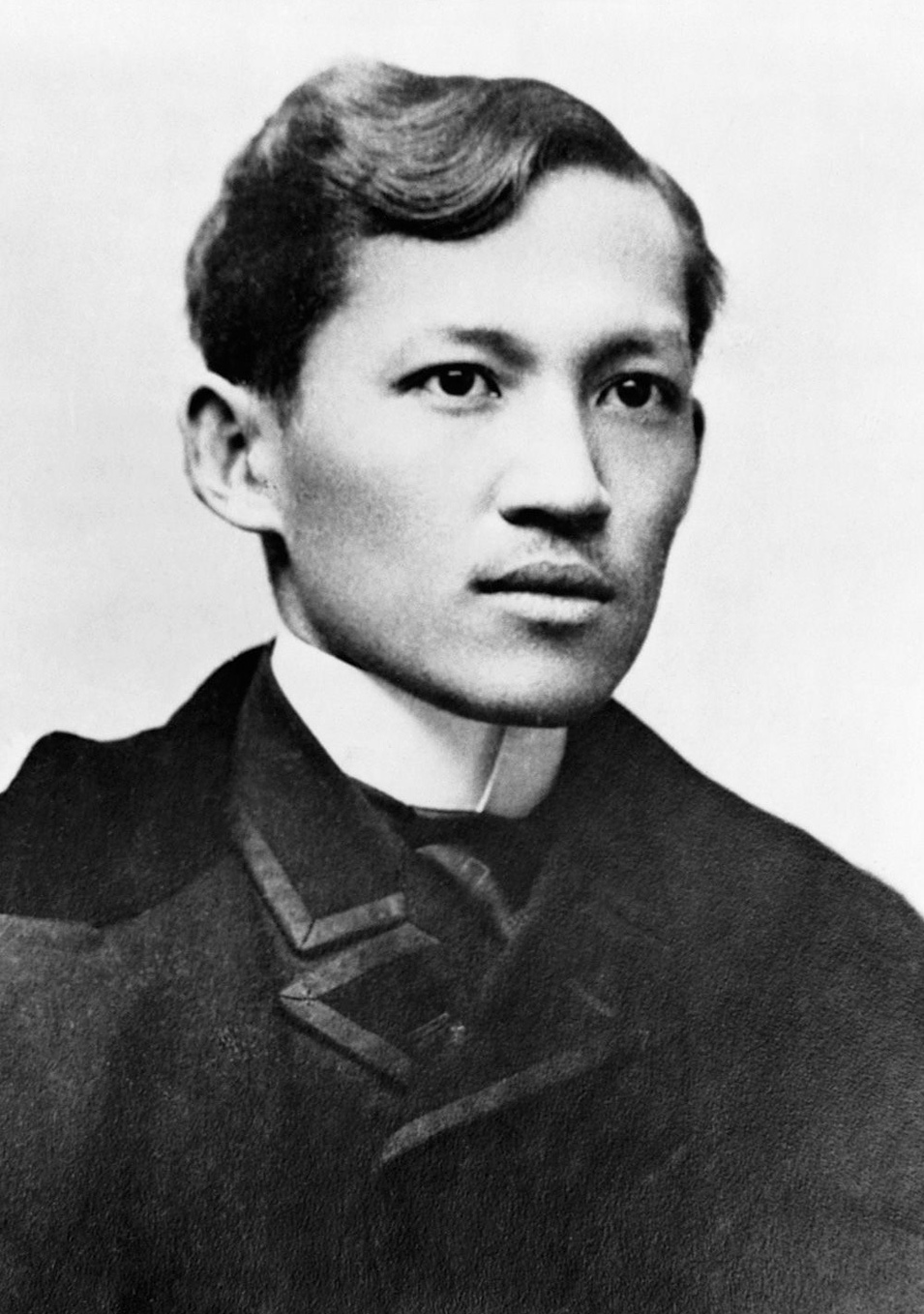
This is the darker twin of Noli Me Tangere. Where that novel exposed colonial corruption with hope, El Filibusterismo plunges into vengeance and disillusionment. Seven years have passed. Ibarra, the idealist who dared to dream of reform, has returned as Simoun, a wealthy jeweler whose fortune conceals a single purpose: to bring down the system that destroyed his family. But this is no simple tale of heroes. Simoun's revolution is poisoned by bitterness, his methods questionable, his anger a consuming fire. The novel opens on a steamship gliding up the Pasig River, a floating cross-section of Philippine society: Europeanized elites, oppressed Indios, corrupt priests, dreaming students. Through Basilio, now a young man; Cabesang Tales, a farmer driven to brigandage by injustice; Isagani, the idealistic student; and Padre Florentino, an aging priest of quiet integrity, Rizal paints a society hurtling toward rupture. The question that haunts every page: can revolution born from personal vengeance ever yield true liberation? Banned and smuggled into the Philippines, this novel helped ignite a nation. It remains essential reading for anyone who wants to understand how colonialism warps both the colonizer and the colonized, and whether the price of freedom is ever truly paid.
Editions

X-Ray
“Walang mang-aalipin kung walang paaalipin.””
— José Rizal
“Nalilimot ng bawat isa sa inyo na habang napag-iingatan ang isang bayan ang kaniyang wika, napag-iingatan din nito ang katibayan ng kaniyang paglaya, katulad ng pagpapanatili ng isang tao sa kaniyang kasarinlan, upang mapanatili niya ang kaniyang sariling paraan ng pag-iisip. Ang wika ang pag-iisip ng bayan.””
— José Rizal
“Why independence, if the slaves of today will be the tyrants of tomorrow?””
— José Rizal
“Napakatamis ng tubig at naiinom, bagaman lumulunod sa alak at serbesa at pumapatay sa apoy. Nagiging singaw ito kapag pinainitan; kapag naligalig, nagiging karagatan na minsan nang pumuksa sa sangkatauhan at yumanig sa dibdib ng mundo.””
— José Rizal
“A lie among the starsIs a comfortable lie.””
— José Rizal
“Kapag may mga uban na po akong tulad ng sa inyo at ginugunita ang nakaraan at makita kong gumawa ako alang-alang sa sarili lamang, hindi ginhawa ang magagawa't nararapat gawin ukol sa bayang nagbigay sa akin ng lahat, ukol sa mga mamamayang tumutulong sa aking mabuhay, kapag nagkagayon po, magiging tinik sa akin ang bawat uban, at sa halip na ikaliwalhati ko'y dapat kong ikahiya.””
— José Rizal
“The glory of saving a country doesn't mean having to use the measures that contributed to its ruin!””
— José Rizal
“Ano sa makatwid ang isang Unibersidad? Isang institusyon para hindi matuto? Nagtitipon-tipon ba ang ilang tao sa ngalan ng kaalaman at pagtuturo para hadlangang matuto ang iba?””
— José Rizal
“When a people holds onto its language, it holds onto a semblance of freedom, like a man who holds onto his independence when he retains his own way of thinking. Language is the thought of a people.””
— José Rizal
Link to this book
Add a free, dofollow link to Lex on your blog, forum, syllabus, or reading list.

<a href="https://lex-books.com/book/el-filibusterismo-continuaci-n-del-noli-me-t-ngere-f07204d9-03a4-479c-8af9-1c8b0e42e448"><img src="https://lex-books.com/badges/read-on-lex.svg" alt="Read El Filibusterismo (continuación Del Noli Me Tángere) by José Rizal free on Lex" width="160" height="40"></a>[](https://lex-books.com/book/el-filibusterismo-continuaci-n-del-noli-me-t-ngere-f07204d9-03a4-479c-8af9-1c8b0e42e448)[url=https://lex-books.com/book/el-filibusterismo-continuaci-n-del-noli-me-t-ngere-f07204d9-03a4-479c-8af9-1c8b0e42e448][img]https://lex-books.com/badges/read-on-lex.svg[/img][/url]Read El Filibusterismo (continuación Del Noli Me Tángere) by José Rizal free on Lex: https://lex-books.com/book/el-filibusterismo-continuaci-n-del-noli-me-t-ngere-f07204d9-03a4-479c-8af9-1c8b0e42e448Cite this book
Reading this edition for a paper or guide? Copy a citation.
Rizal, José. El Filibusterismo (continuación Del Noli Me Tángere). Lex, lex-books.com/book/el-filibusterismo-continuaci-n-del-noli-me-t-ngere-f07204d9-03a4-479c-8af9-1c8b0e42e448.Rizal, J. (1900). El Filibusterismo (continuación Del Noli Me Tángere). Lex. https://lex-books.com/book/el-filibusterismo-continuaci-n-del-noli-me-t-ngere-f07204d9-03a4-479c-8af9-1c8b0e42e448Rizal, José. El Filibusterismo (continuación Del Noli Me Tángere). Lex. https://lex-books.com/book/el-filibusterismo-continuaci-n-del-noli-me-t-ngere-f07204d9-03a4-479c-8af9-1c8b0e42e448.