Mi Ultimo Adiós
1896
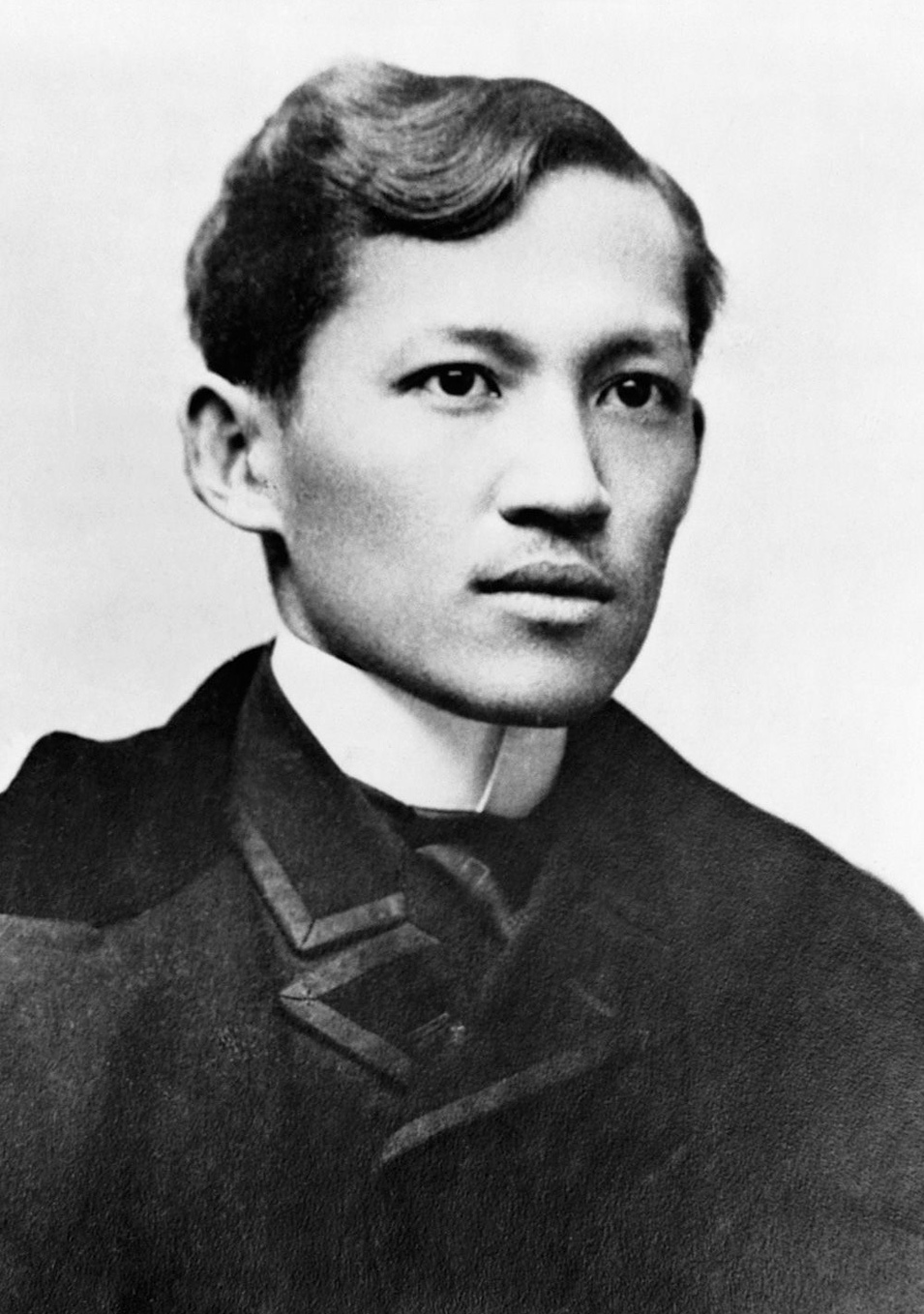
One of the most haunting farewell poems ever written, composed in a coconut oil lamp by a man facing a firing squad. José Rizal wrote this on the eve of his execution, hiding the verses in a lamp that would not reach his family until after the bullets did. The poem needs no title. Its opening line, Adiós, Patria adorada, has become sacred text in the Philippines. In fourteen stanzas of perfect Spanish verse, Rizal bids farewell to everything he loves: the archipelago's shores, the morning sun, his mother, his sisters, his compatriots who will survive him. He asks that no one weep for him, that they scatter flowers on his grave instead. But the poem is not merely elegy. It is accusation. It is demand. It is the refusal to let his death mean surrender. This is the poem that made Rizal a martyr, the verses that transformed a writer into a nation. It has been memorized by schoolchildren, whispered at protests, carried by freedom fighters. More than a century later, it remains the pulse of Filipino identity. For anyone who believes a poem can change the world, this is proof.
Editions
X-Ray
“Voy donde no hay esclavos, verdugos ni opresores””
— José Rizal
Link to this book
Add a free, dofollow link to Lex on your blog, forum, syllabus, or reading list.

<a href="https://lex-books.com/book/mi-ultimo-adi-s-959600eb-496f-413d-8aff-e8a9e80d2c12"><img src="https://lex-books.com/badges/read-on-lex.svg" alt="Read Mi Ultimo Adiós by José Rizal free on Lex" width="160" height="40"></a>[](https://lex-books.com/book/mi-ultimo-adi-s-959600eb-496f-413d-8aff-e8a9e80d2c12)[url=https://lex-books.com/book/mi-ultimo-adi-s-959600eb-496f-413d-8aff-e8a9e80d2c12][img]https://lex-books.com/badges/read-on-lex.svg[/img][/url]Read Mi Ultimo Adiós by José Rizal free on Lex: https://lex-books.com/book/mi-ultimo-adi-s-959600eb-496f-413d-8aff-e8a9e80d2c12Cite this book
Reading this edition for a paper or guide? Copy a citation.
Rizal, José. Mi Ultimo Adiós. Lex, lex-books.com/book/mi-ultimo-adi-s-959600eb-496f-413d-8aff-e8a9e80d2c12.Rizal, J. (1896). Mi Ultimo Adiós. Lex. https://lex-books.com/book/mi-ultimo-adi-s-959600eb-496f-413d-8aff-e8a9e80d2c12Rizal, José. Mi Ultimo Adiós. Lex. https://lex-books.com/book/mi-ultimo-adi-s-959600eb-496f-413d-8aff-e8a9e80d2c12.