Effi Briest
1895
Effi Briest is seventeen when she marries Baron von Innstetten, a civil servant twenty years her senior, more for security than passion. He is ambitious, emotionally distant, and expects her to embody the staid dignity of Prussian aristocracy while he pursues his career. Isolated in a remote garrison town, Effi finds brief solace in an affair with Major Crampas, a married man with a dangerous charm. Years pass, the romance fades into distant memory, and Effi becomes a dutiful wife and mother. Then, almost by accident, Innstetten discovers the old letters. What follows is swift, brutal, and utterly devoid of melodrama: a duel, a death, and a quiet annihilation. Fontane's masterpiece lies in its understated precision. This is not a novel of grand passions but of slow suffocation, of a woman who wanted to live and was crushed by the weight of expectation. It stands alongside Anna Karenina and Madame Bovary, yet it is sharper, stranger, and more deeply unsettling in its refusal to offer redemption.
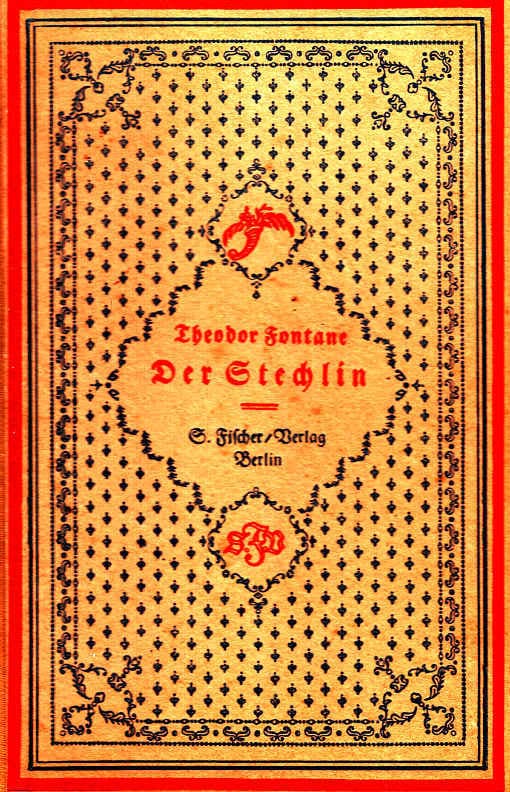
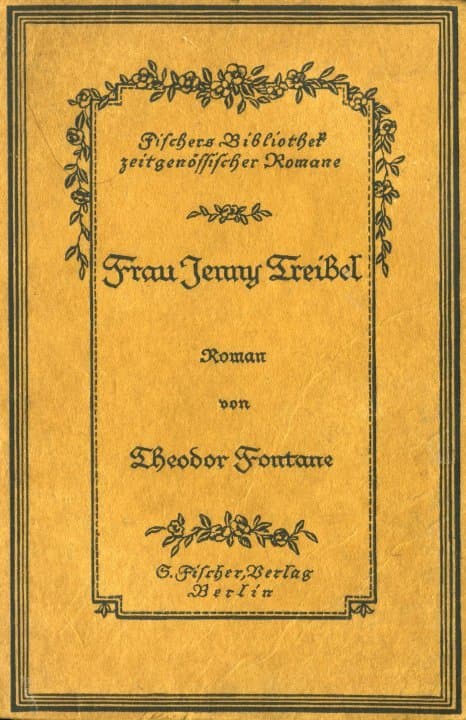
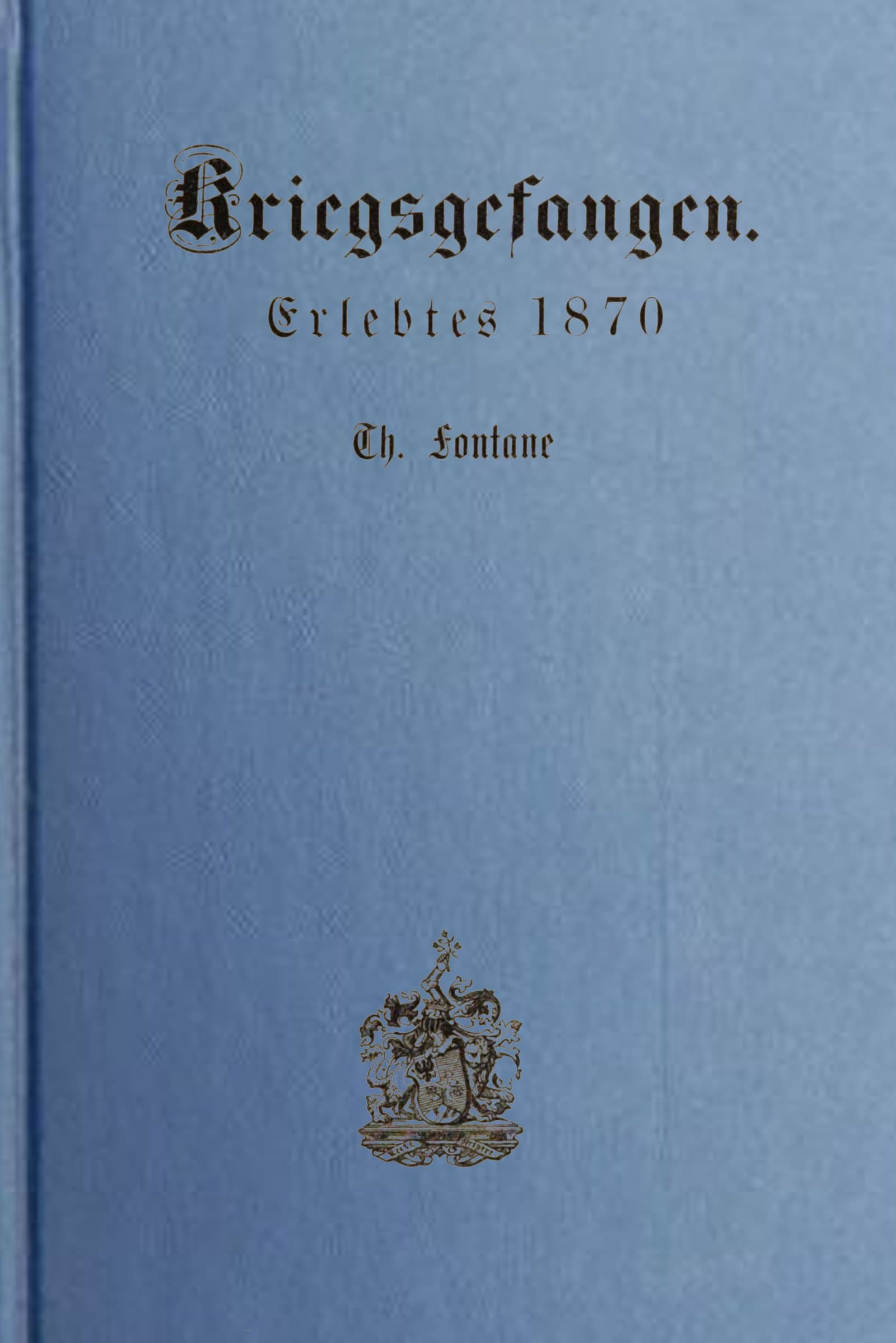
Editions
X-Ray
“Ich liebe dich ja… wie heißt es doch, wenn man einen Zweig abbricht und die Blätter abreißt? Von Herzen, mit Schmerzen, über alle Maßen.””
— Theodor Fontane
“Wir müssen verführerisch sein, sonst sind wir gar nichts.””
— Theodor Fontane
“Aber man lebt doch nicht bloß in einer Welt, um schwach und zärtlich zu sein und alles mit Nachsicht zu behandeln, was gegen Gesetz und Gebot ist und was die Menschen verurteilen und, vorläufig wenigstens, auch noch - mit Recht verurteilen. (S.234)””
— Theodor Fontane
“Alles, was uns Freude machen soll, ist an Zeit und Umstände gebunden, und was uns heute noch beglückt, ist morgen wertlos.””
— Theodor Fontane
“Aber er hatte lange genug gelebt, um zu wissen, dass alle Zeichen trügen und dass wir in unsrer Eifersucht, trotz ihrer hundert Augen, oft noch mehr in die Irre gehen, als in der Blindheit unsres Vertrauens.””
— Theodor Fontane
“Although she’s so bright and vivacious, almost passionate, maybe even because of this, she’s not someone for whom love is the important thing, or at least not what we would term love. She talks about it of course, dwells on it even, in a tone of conviction up to a point, but only because she has read somewhere that love is the highest thing, the most beautiful, most splendid thing.””
— Theodor Fontane
“Mich ekelt, was ich getan; aber was mich noch mehr ekelt, das ist eure Tugend.””
— Theodor Fontane
“Ich war immer eine schwache Christin; aber ob wir doch vielleicht von da oben stammen und, wenn es hier vorbei ist, in unsere himmlische Heimat zurückkehren, zu den Sternen oben oder noch drüber hinaus! Ich weiß es nicht, ich will es auch nicht wissen, ich habe nur die Sehnsucht.””
— Theodor Fontane
“For they’re ’uman too, even if they are Chinese, so I suppose it’s just the same for them as it is for us.””
— Theodor Fontane
Link to this book
Add a free, dofollow link to Lex on your blog, forum, syllabus, or reading list.

<a href="https://lex-books.com/book/effi-briest-a58bf394-95a1-43e7-a04d-2a8a3fdeca9e"><img src="https://lex-books.com/badges/read-on-lex.svg" alt="Read Effi Briest by Theodor Fontane free on Lex" width="160" height="40"></a>[](https://lex-books.com/book/effi-briest-a58bf394-95a1-43e7-a04d-2a8a3fdeca9e)[url=https://lex-books.com/book/effi-briest-a58bf394-95a1-43e7-a04d-2a8a3fdeca9e][img]https://lex-books.com/badges/read-on-lex.svg[/img][/url]Read Effi Briest by Theodor Fontane free on Lex: https://lex-books.com/book/effi-briest-a58bf394-95a1-43e7-a04d-2a8a3fdeca9eCite this book
Reading this edition for a paper or guide? Copy a citation.
Fontane, Theodor. Effi Briest. Lex, lex-books.com/book/effi-briest-a58bf394-95a1-43e7-a04d-2a8a3fdeca9e.Fontane, T. (1895). Effi Briest. Lex. https://lex-books.com/book/effi-briest-a58bf394-95a1-43e7-a04d-2a8a3fdeca9eFontane, Theodor. Effi Briest. Lex. https://lex-books.com/book/effi-briest-a58bf394-95a1-43e7-a04d-2a8a3fdeca9e.