Ecclesiazusae
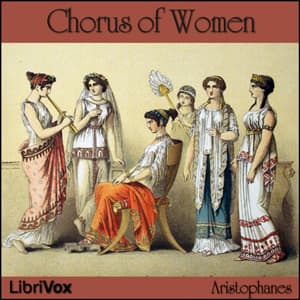
In ancient Athens, Aristophanes imagined something radical: women seizing total political control. Disguising themselves as men, they infiltrate the assembly and vote themselves into power, then proceed to overhaul society entirely. Property becomes communal. Marriages are rearranged by lottery. The old order, with its corruption and inequality, is swept away in favor of a utopian experiment that is both genuinely idealistic and absolutely ridiculous. The play's genius lies in its double edge: it's a satire on the failures of Athenian democracy, yes, but also a wild thought experiment about what happens when the excluded gain power. The comedy escalates into absurdist territory as young lovers try to navigate the new rules of courtship, with predictably chaotic results. Written during a period of political chaos after the Peloponnesian War, Ecclesiazusae asks whether any ideology can survive contact with human nature. Nearly 2,500 years later, it remains startlingly contemporary: a comedy about gender, power, and the utopias we build and destroy.
X-Ray