Ecclesiastes
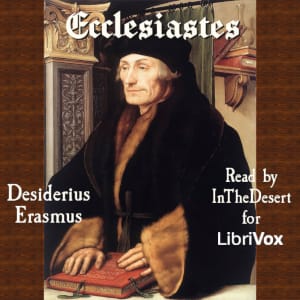
Ecclesiastes, the biblical meditation on life's fleeting nature and the search for meaning, receives its definitive Renaissance interpretation in this work by Desiderius Erasmus. Written in the early sixteenth century as Europe teetered on the edge of religious transformation, Erasmus approaches the ancient 'Preacher' with the tools of humanist scholarship: precise Greek, deep patristic learning, and a reformer’s urgency. His treatise functions both as exegesis and as a manual for those who would preach this most unsettling of biblical books to their flocks. The 'vanity of vanities' that opens Ecclesiastes was precisely the kind of message that needed careful handling, and Erasmus provided his clergy readers with the intellectual and pastoral resources to proclaim it faithfully. Here is Erasmus the scholar-priest at work, not yet the iconoclast who would publish Erasmus's Greek New Testament, but already the mind that would reshape how Europe read its sacred texts.
Editions

Link to this book
Add a free, dofollow link to Lex on your blog, forum, syllabus, or reading list.

<a href="https://lex-books.com/book/ecclesiastes-48219baa-07e3-4b5b-a36b-33670a35ffe6"><img src="https://lex-books.com/badges/read-on-lex.svg" alt="Read Ecclesiastes by Desiderius Erasmus free on Lex" width="160" height="40"></a>[](https://lex-books.com/book/ecclesiastes-48219baa-07e3-4b5b-a36b-33670a35ffe6)[url=https://lex-books.com/book/ecclesiastes-48219baa-07e3-4b5b-a36b-33670a35ffe6][img]https://lex-books.com/badges/read-on-lex.svg[/img][/url]Read Ecclesiastes by Desiderius Erasmus free on Lex: https://lex-books.com/book/ecclesiastes-48219baa-07e3-4b5b-a36b-33670a35ffe6Cite this book
Reading this edition for a paper or guide? Copy a citation.
Erasmus, Desiderius. Ecclesiastes. Lex, lex-books.com/book/ecclesiastes-48219baa-07e3-4b5b-a36b-33670a35ffe6.Erasmus, D. (n.d.). Ecclesiastes. Lex. https://lex-books.com/book/ecclesiastes-48219baa-07e3-4b5b-a36b-33670a35ffe6Erasmus, Desiderius. Ecclesiastes. Lex. https://lex-books.com/book/ecclesiastes-48219baa-07e3-4b5b-a36b-33670a35ffe6.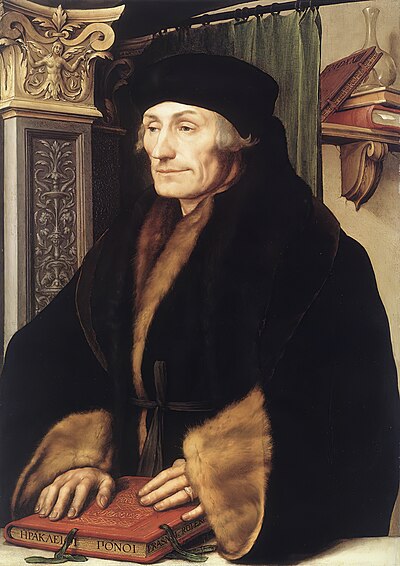
![Two Dyaloges (c. 1549): Wrytten in Laten by the Famous Clerke, D. Erasm[US] of Roterodame, One Called Polyphemus or the Gospeller, the Other Dysposyng of Thynges and Names, Translated in to Englyshe by Edmonde Becke.](/_next/image?url=https%3A%2F%2Fd3b2n8gj62qnwr.cloudfront.net%2FCOVERS%2Fgutenberg_covers75k%2Febook-14500.png&w=3840&q=75)