Dr. Esperanto’s International Language, Introduction and Complete Grammar
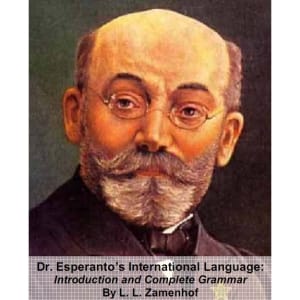
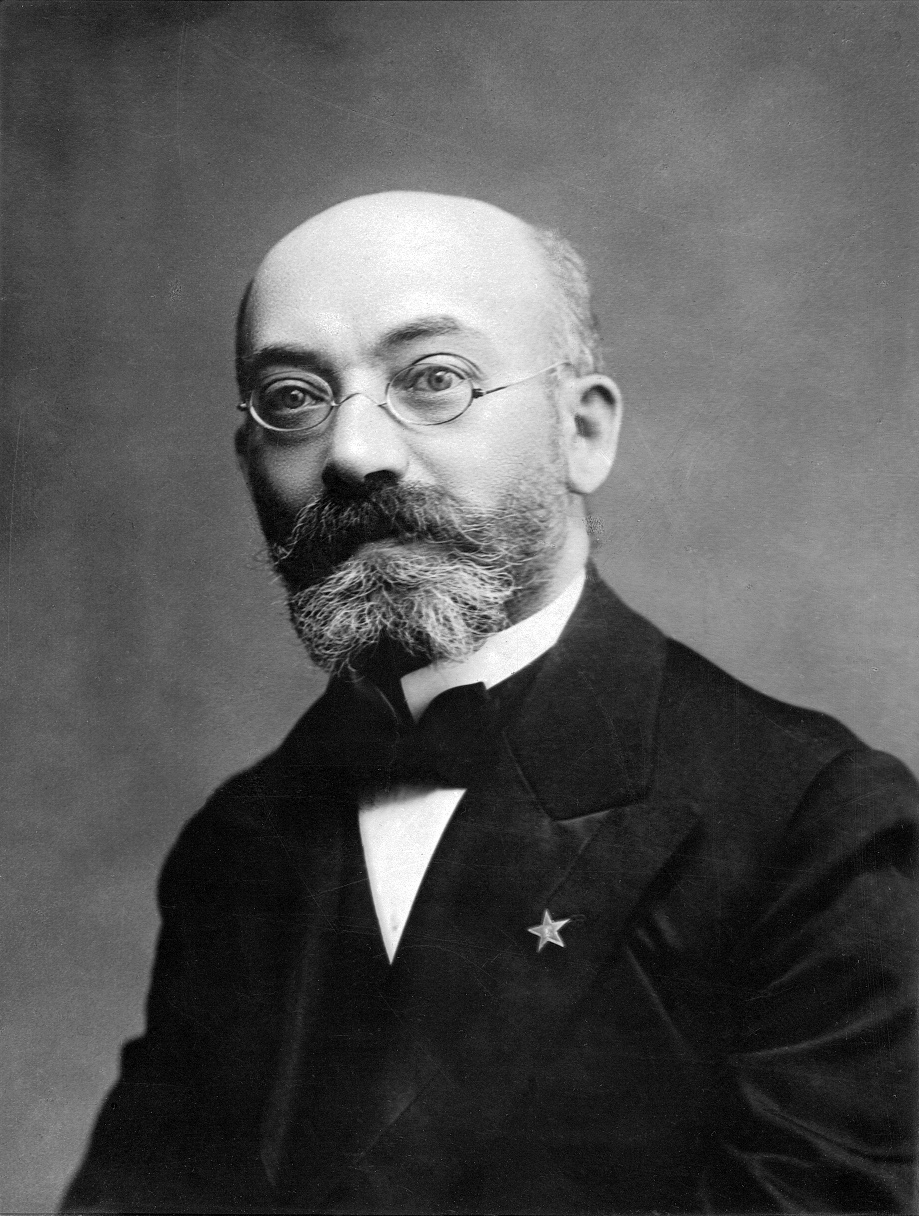
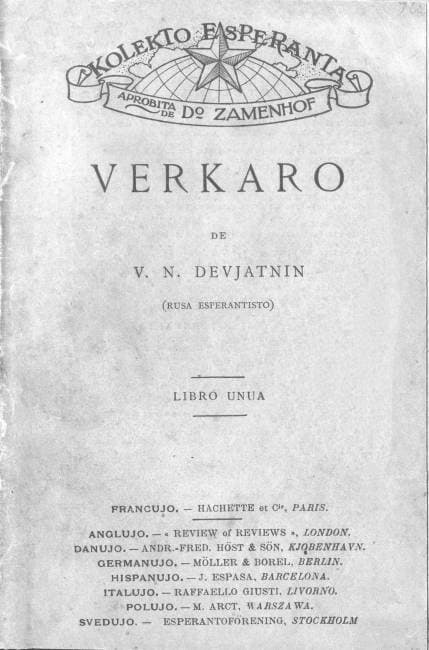
In 1887, a young Polish eye doctor published a radical idea between two covers: a neutral language anyone could learn in weeks, designed not to replace mother tongues but to bridge them. L.L. Zamenhof, writing as Dr. Esperanto ("the one who hopes"), had spent years perfecting a grammar of radical simplicity and a vocabulary drawn from European roots. The result was this book: forty pages that would spark a movement, inspire thousands to gather under the green star, and endure for over a century as the foundational text of the world's most successful constructed language. Zamenhof believed that linguistic barriers breed suspicion, and that a shared second tongue could foster the understanding his divided homeland so desperately needed. This is that original vision, nearly unchanged from its first appearance in four languages. The root words number only about 900, yet they were designed to combine with elegant precision. Whether you come to it as a language learner, a history buff, or someone curious about one of humanity's grander utopian experiments, this is where it all began.
Editions

Link to this book
Add a free, dofollow link to Lex on your blog, forum, syllabus, or reading list.

<a href="https://lex-books.com/book/dr-esperanto-s-international-language-introduction-and-complete-grammar-1b8c6320-b9b4-4a45-8234-76bb3d1e3bdf"><img src="https://lex-books.com/badges/read-on-lex.svg" alt="Read Dr. Esperanto’s International Language, Introduction and Complete Grammar by L. L. Zamenhof free on Lex" width="160" height="40"></a>[](https://lex-books.com/book/dr-esperanto-s-international-language-introduction-and-complete-grammar-1b8c6320-b9b4-4a45-8234-76bb3d1e3bdf)[url=https://lex-books.com/book/dr-esperanto-s-international-language-introduction-and-complete-grammar-1b8c6320-b9b4-4a45-8234-76bb3d1e3bdf][img]https://lex-books.com/badges/read-on-lex.svg[/img][/url]Read Dr. Esperanto’s International Language, Introduction and Complete Grammar by L. L. Zamenhof free on Lex: https://lex-books.com/book/dr-esperanto-s-international-language-introduction-and-complete-grammar-1b8c6320-b9b4-4a45-8234-76bb3d1e3bdfCite this book
Reading this edition for a paper or guide? Copy a citation.
Zamenhof, L. L.. Dr. Esperanto’s International Language, Introduction and Complete Grammar. Lex, lex-books.com/book/dr-esperanto-s-international-language-introduction-and-complete-grammar-1b8c6320-b9b4-4a45-8234-76bb3d1e3bdf.Zamenhof, L. L. (n.d.). Dr. Esperanto’s International Language, Introduction and Complete Grammar. Lex. https://lex-books.com/book/dr-esperanto-s-international-language-introduction-and-complete-grammar-1b8c6320-b9b4-4a45-8234-76bb3d1e3bdfZamenhof, L. L.. Dr. Esperanto’s International Language, Introduction and Complete Grammar. Lex. https://lex-books.com/book/dr-esperanto-s-international-language-introduction-and-complete-grammar-1b8c6320-b9b4-4a45-8234-76bb3d1e3bdf.