Discourse on Metaphysics
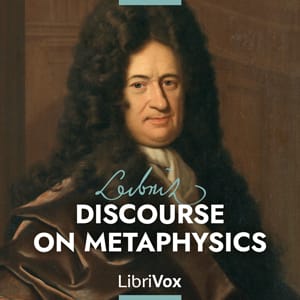
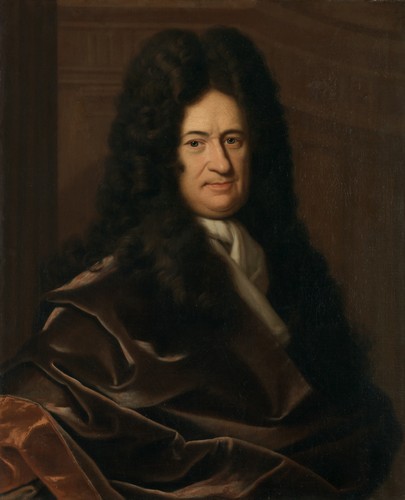
In 1686, Leibniz composed a dense and electrifying meditation on the nature of reality, written for a royal patron but aimed at nothing less than a complete overhaul of how we understand being itself. He argues that the world is not a vast machine, as Descartes proposed, but a infinite collection of simple substances he calls monads, each reflecting the whole universe from its own unique perspective. These are not dead matter but living, perceiving entities, and God, in Leibniz's audacious system, has chosen this very world from among all possible worlds precisely because it maximizes harmony and complexity. The treatise wrestles with the ancient puzzle of how the soul relates to the body, with the perplexities of free will against divine foreknowledge, and with the nature of causation itself. Leibniz challenges the mechanical philosophy to account for final causes, for purpose, for why anything exists rather than nothing. The Discourse remains essential reading because it asks the questions that still haunt philosophy: What is a thing? Why is there something rather than nothing? And what does it mean to say that reality is rational through and through?
Editions

Link to this book
Add a free, dofollow link to Lex on your blog, forum, syllabus, or reading list.

<a href="https://lex-books.com/book/discourse-on-metaphysics-081f024e-9b23-40d1-a92e-f85c5433cd64"><img src="https://lex-books.com/badges/read-on-lex.svg" alt="Read Discourse on Metaphysics by Gottfried Wilhelm Leibniz free on Lex" width="160" height="40"></a>[](https://lex-books.com/book/discourse-on-metaphysics-081f024e-9b23-40d1-a92e-f85c5433cd64)[url=https://lex-books.com/book/discourse-on-metaphysics-081f024e-9b23-40d1-a92e-f85c5433cd64][img]https://lex-books.com/badges/read-on-lex.svg[/img][/url]Read Discourse on Metaphysics by Gottfried Wilhelm Leibniz free on Lex: https://lex-books.com/book/discourse-on-metaphysics-081f024e-9b23-40d1-a92e-f85c5433cd64Cite this book
Reading this edition for a paper or guide? Copy a citation.
Leibniz, Gottfried Wilhelm. Discourse on Metaphysics. Lex, lex-books.com/book/discourse-on-metaphysics-081f024e-9b23-40d1-a92e-f85c5433cd64.Leibniz, G. W. (n.d.). Discourse on Metaphysics. Lex. https://lex-books.com/book/discourse-on-metaphysics-081f024e-9b23-40d1-a92e-f85c5433cd64Leibniz, Gottfried Wilhelm. Discourse on Metaphysics. Lex. https://lex-books.com/book/discourse-on-metaphysics-081f024e-9b23-40d1-a92e-f85c5433cd64.