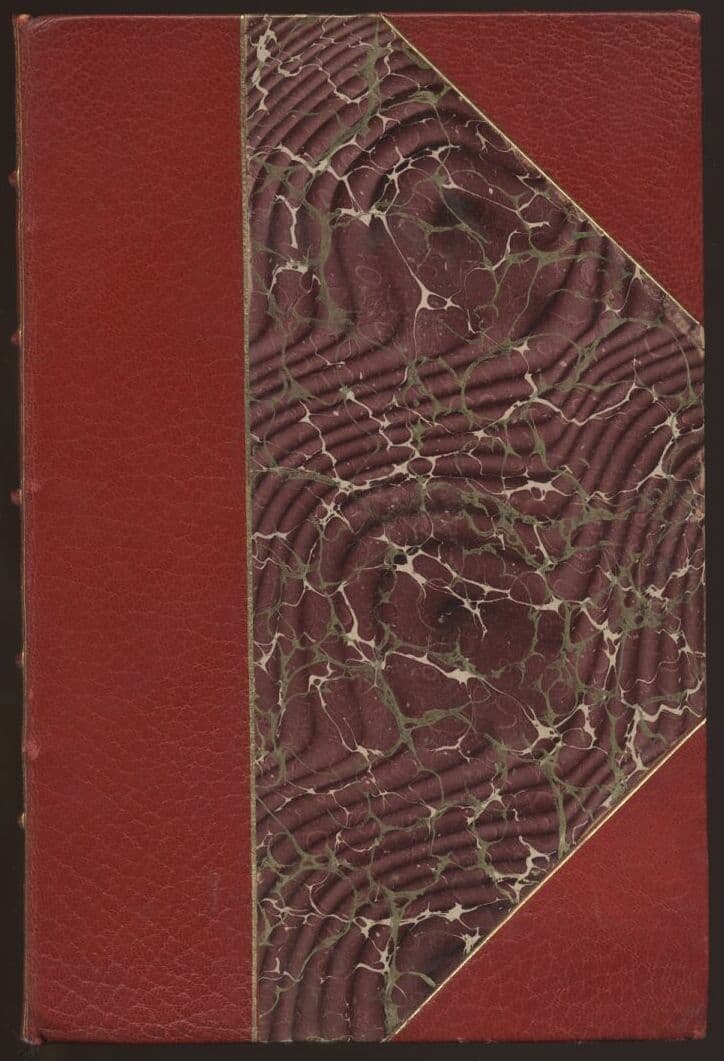
Discipline
1814
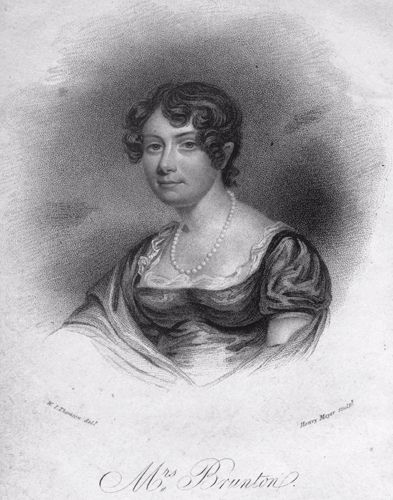
In 1814, Mary Brunton dared to ask: what happens to a woman who refuses to be taught? Ellen Percy is wealthy, brilliant, and unbearable, the product of a mother's doting and a father's distant disapproval. When she leaves childhood behind, she discovers that the world has rigid plans for girls like her: compliance or ruin. Brunton traces Ellen's agonizing evolution from spoiled, self-important girl to a woman who must reckon with the terrible costs of her own pride, the hidden machinery of her mother's choices, and a society that treats women as either objects of desire or objects of pity. The novel builds toward something genuinely dark: the horror of false imprisonment in an asylum, where women's voices are erased entirely. Yet what distinguishes Discipline from its contemporaries is Brunton's commitment to psychological truth, her insistence that Ellen's growth must come from within, not from punishment. This is a novel about the radical possibility of self-determination, written when such ideas were dangerous. It deserves to be read alongside Austen, not as her shadow, but as her fierce, less compromising cousin.
Editions
X-Ray
“I was awakended from the deepest sleep, by a cry wild and horrible. It was followed by shouts of dissonant laughter, unlike the cheering sounds of human mirth. They seemed but the body's convulsion, in which the spirit had no part.””
— Mary Brunton
“A dark and shapeless dread rushed across my mind; but the cup was already full, and I could bear no more. I sunk down in strong convulsions.””
— Mary Brunton
Link to this book
Add a free, dofollow link to Lex on your blog, forum, syllabus, or reading list.

<a href="https://lex-books.com/book/discipline-0aa48442-bdc8-4ae8-85ba-55f015c29c60"><img src="https://lex-books.com/badges/read-on-lex.svg" alt="Read Discipline by Mary Brunton free on Lex" width="160" height="40"></a>[](https://lex-books.com/book/discipline-0aa48442-bdc8-4ae8-85ba-55f015c29c60)[url=https://lex-books.com/book/discipline-0aa48442-bdc8-4ae8-85ba-55f015c29c60][img]https://lex-books.com/badges/read-on-lex.svg[/img][/url]Read Discipline by Mary Brunton free on Lex: https://lex-books.com/book/discipline-0aa48442-bdc8-4ae8-85ba-55f015c29c60Cite this book
Reading this edition for a paper or guide? Copy a citation.
Brunton, Mary. Discipline. Lex, lex-books.com/book/discipline-0aa48442-bdc8-4ae8-85ba-55f015c29c60.Brunton, M. (1814). Discipline. Lex. https://lex-books.com/book/discipline-0aa48442-bdc8-4ae8-85ba-55f015c29c60Brunton, Mary. Discipline. Lex. https://lex-books.com/book/discipline-0aa48442-bdc8-4ae8-85ba-55f015c29c60.