Dickens in Camp
1922
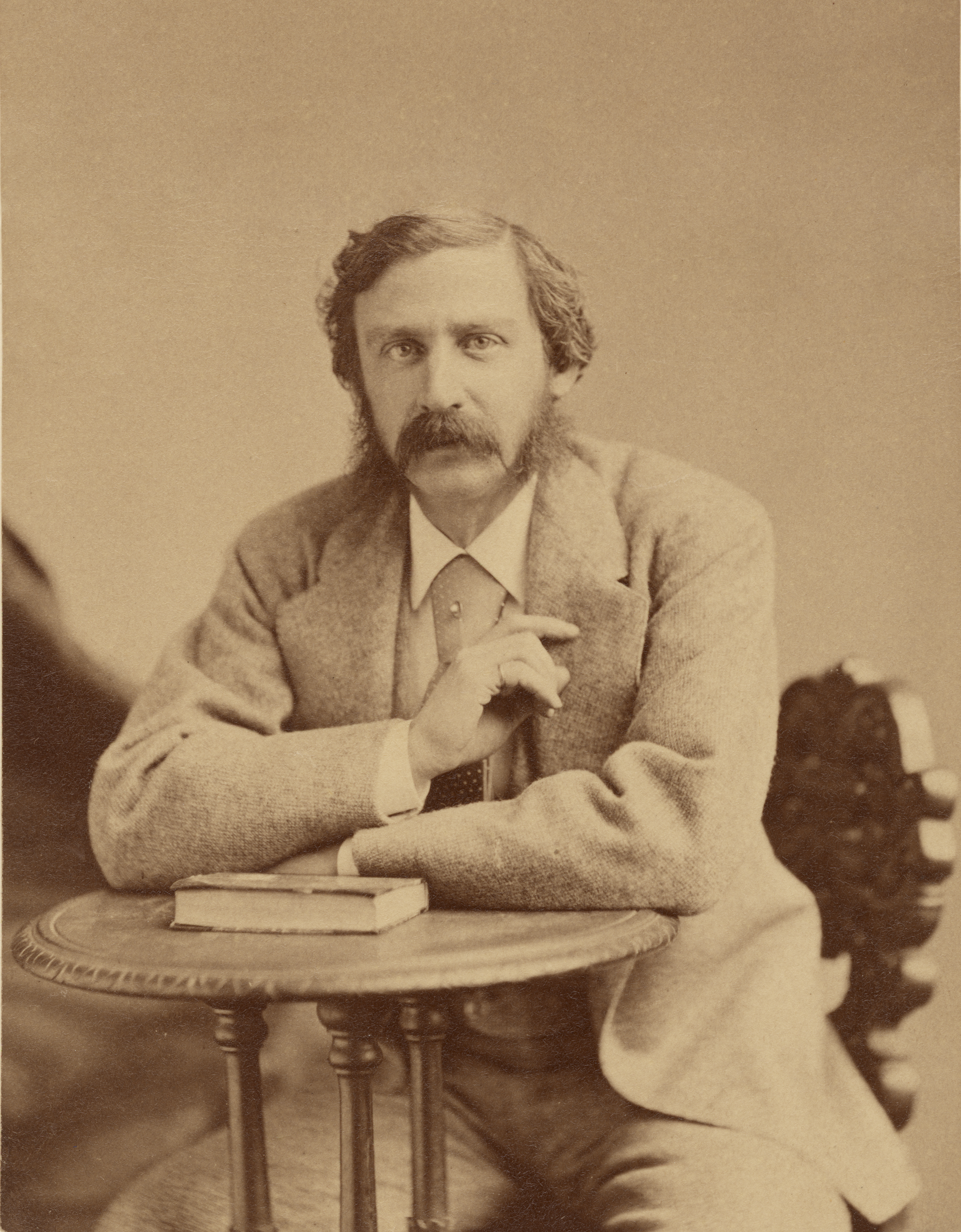
In the cold hills of California, a group of exhausted miners gathers around a dying fire. One of them opens a worn copy of Dickens, and begins to read aloud. The scene is simple: men, dirt, the distant promise of gold. But something shifts as the words of Little Nell fill the mountain air. The poem captures a singular, achingly beautiful moment when literature cuts through the weight of labor and loneliness, offering these men something richer than any fortune they might find in the earth. Bret Harte wrote this tribute decades after Charles Dickens electrified American audiences during his 1867 reading tour. It's both a love letter to a literary hero and a meditation on why stories matter at all. The miners don't need Dickens to escape their lives; they need him to feel human within them. The poem interweaves the English countryside of Dickens' imagination with the brutal California wilderness, creating a bridge between worlds through the simple act of reading aloud. What makes this poem endure is its honesty about what literature provides: not escape, but presence. Not fantasy, but the feeling that someone, somewhere, understood something true about being alive. For anyone who has ever found comfort in a book among strangers, this is a quiet, luminous portrait of that sacred exchange.
Editions
X-Ray
Link to this book
Add a free, dofollow link to Lex on your blog, forum, syllabus, or reading list.

<a href="https://lex-books.com/book/dickens-in-camp-37436385-731f-4c55-b0de-c8779905a369"><img src="https://lex-books.com/badges/read-on-lex.svg" alt="Read Dickens in Camp by Bret Harte free on Lex" width="160" height="40"></a>[](https://lex-books.com/book/dickens-in-camp-37436385-731f-4c55-b0de-c8779905a369)[url=https://lex-books.com/book/dickens-in-camp-37436385-731f-4c55-b0de-c8779905a369][img]https://lex-books.com/badges/read-on-lex.svg[/img][/url]Read Dickens in Camp by Bret Harte free on Lex: https://lex-books.com/book/dickens-in-camp-37436385-731f-4c55-b0de-c8779905a369Cite this book
Reading this edition for a paper or guide? Copy a citation.
Harte, Bret. Dickens in Camp. Lex, lex-books.com/book/dickens-in-camp-37436385-731f-4c55-b0de-c8779905a369.Harte, B. (1922). Dickens in Camp. Lex. https://lex-books.com/book/dickens-in-camp-37436385-731f-4c55-b0de-c8779905a369Harte, Bret. Dickens in Camp. Lex. https://lex-books.com/book/dickens-in-camp-37436385-731f-4c55-b0de-c8779905a369.