Dernier Jour d’un Condamné (Version 2)
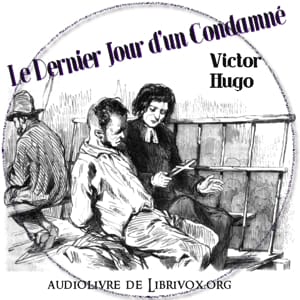
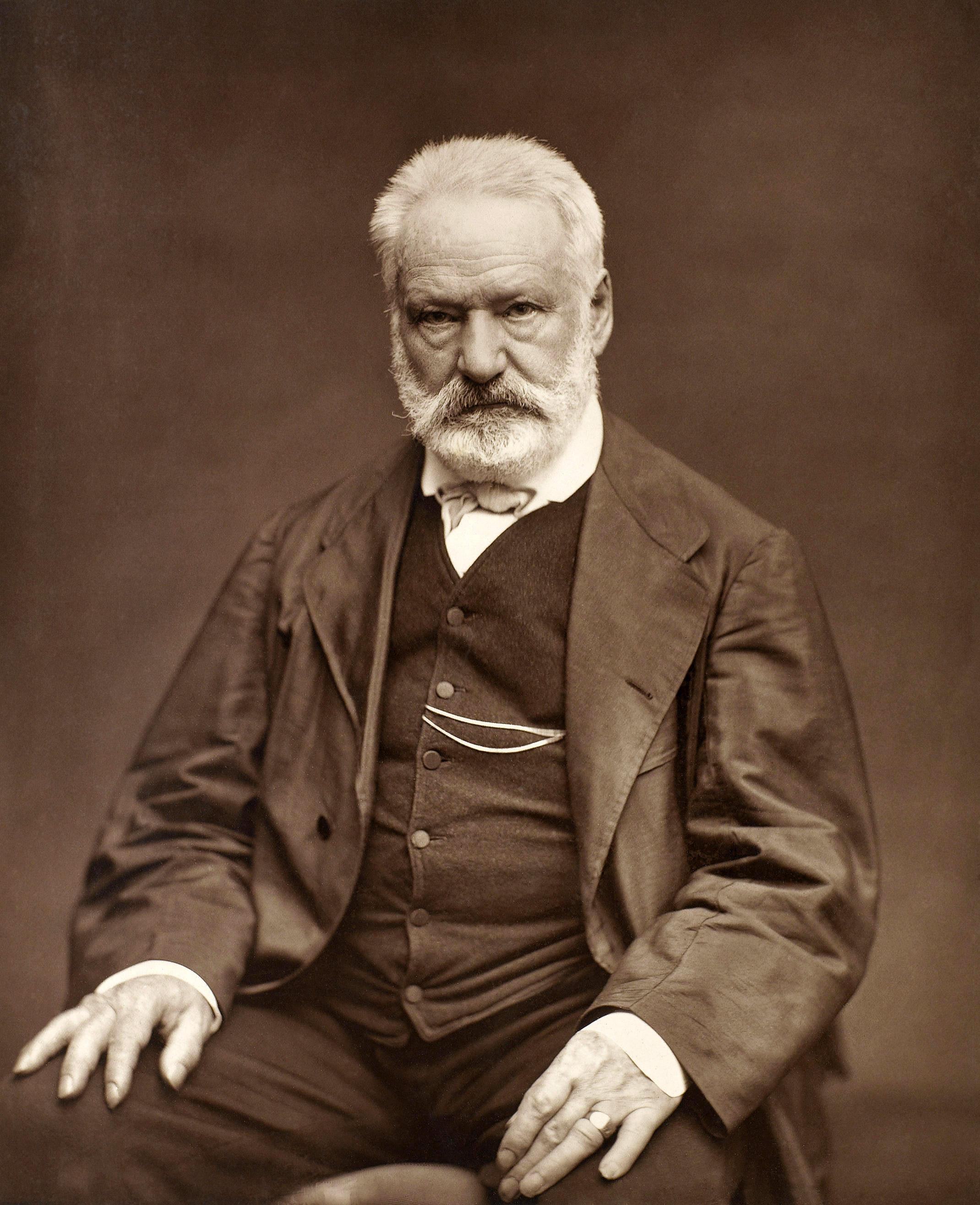
In 1829, Victor Hugo imagined the unimaginable: the last thirty-seven days of a man waiting to die. Written as the unbroken diary of an unnamed condemned prisoner who acknowledges his crime but refuses to be reduced to it, this slim, devastating novel thrusts readers inside the mind of someone for whom every sunrise is a countdown. We feel the weight of hours dragging, the arbitrary cruelty of the justice system, and the unbearable stillness of a cell where hope and despair take turns strangling the soul. Hugo spares nothing: the grotesque spectacle of the chained convicts in the courtyard, the畸形 curiosity of the crowd that will gather at dawn to watch a man die, the grotesque machinery of state execution dressed up as ceremony. But the real power lies in what the prisoner refuses to become. Even in extremity, he remains human, thinking, feeling, raging against a system that has decided his worth before hearing his full story. This is not merely a plea against capital punishment, though it succeeded in changing French law. It is an act of radical empathy, a demand that we look at the condemned not as an abstraction but as someone who, hours before dying, still wonders what the stars mean.
Editions

Link to this book
Add a free, dofollow link to Lex on your blog, forum, syllabus, or reading list.

<a href="https://lex-books.com/book/dernier-jour-d-un-condamn-version-2-2d987c26-cdbe-4adc-9675-69d74cb030bb"><img src="https://lex-books.com/badges/read-on-lex.svg" alt="Read Dernier Jour d’un Condamné (Version 2) by Victor Hugo free on Lex" width="160" height="40"></a>[](https://lex-books.com/book/dernier-jour-d-un-condamn-version-2-2d987c26-cdbe-4adc-9675-69d74cb030bb)[url=https://lex-books.com/book/dernier-jour-d-un-condamn-version-2-2d987c26-cdbe-4adc-9675-69d74cb030bb][img]https://lex-books.com/badges/read-on-lex.svg[/img][/url]Read Dernier Jour d’un Condamné (Version 2) by Victor Hugo free on Lex: https://lex-books.com/book/dernier-jour-d-un-condamn-version-2-2d987c26-cdbe-4adc-9675-69d74cb030bbCite this book
Reading this edition for a paper or guide? Copy a citation.
Hugo, Victor. Dernier Jour d’un Condamné (Version 2). Lex, lex-books.com/book/dernier-jour-d-un-condamn-version-2-2d987c26-cdbe-4adc-9675-69d74cb030bb.Hugo, V. (n.d.). Dernier Jour d’un Condamné (Version 2). Lex. https://lex-books.com/book/dernier-jour-d-un-condamn-version-2-2d987c26-cdbe-4adc-9675-69d74cb030bbHugo, Victor. Dernier Jour d’un Condamné (Version 2). Lex. https://lex-books.com/book/dernier-jour-d-un-condamn-version-2-2d987c26-cdbe-4adc-9675-69d74cb030bb.