Custom and Myth
1884
Andrew Lang had a problem with the way scholars explained myths. In 1884, the dominant theory held that myths were nothing more than linguistic ghosts, degraded echoes of ancient solar observations and natural phenomena. Lang thought this was nonsense. This collection of essays is his argument against the establishment, a passionate assault on the 'comparative mythology' of his day. What emerges instead is something more radical: the claim that myths are not corruptions of language but expressions of universal human psychology. Lang traces identical stories across Greek, Indian, Native American, and Australian traditions, heroic quests, animal tales, cosmological myths, and argues that these recurrences reveal something fundamental about the human mind. By studying 'savage' beliefs alongside classical texts, Lang demonstrated that primitive psychology persists in civilized societies. This was controversial then. It laid the groundwork for everything Joseph Campbell would later popularize. The book matters now because it asks the same question we still ask: why do humans tell the same stories? Lang's answer, that myths mirror the human experience rather than the sky, feels intuitively true, even when his Victorian assumptions about 'savages' have not aged well. For readers curious about where the study of myth began, this is where it got interesting.
Editions
X-Ray
Link to this book
Add a free, dofollow link to Lex on your blog, forum, syllabus, or reading list.

<a href="https://lex-books.com/book/custom-and-myth-31954be5-938d-4bf6-a391-c5327eeb2d25"><img src="https://lex-books.com/badges/read-on-lex.svg" alt="Read Custom and Myth by Andrew Lang free on Lex" width="160" height="40"></a>[](https://lex-books.com/book/custom-and-myth-31954be5-938d-4bf6-a391-c5327eeb2d25)[url=https://lex-books.com/book/custom-and-myth-31954be5-938d-4bf6-a391-c5327eeb2d25][img]https://lex-books.com/badges/read-on-lex.svg[/img][/url]Read Custom and Myth by Andrew Lang free on Lex: https://lex-books.com/book/custom-and-myth-31954be5-938d-4bf6-a391-c5327eeb2d25Cite this book
Reading this edition for a paper or guide? Copy a citation.
Lang, Andrew. Custom and Myth. Lex, lex-books.com/book/custom-and-myth-31954be5-938d-4bf6-a391-c5327eeb2d25.Lang, A. (1884). Custom and Myth. Lex. https://lex-books.com/book/custom-and-myth-31954be5-938d-4bf6-a391-c5327eeb2d25Lang, Andrew. Custom and Myth. Lex. https://lex-books.com/book/custom-and-myth-31954be5-938d-4bf6-a391-c5327eeb2d25.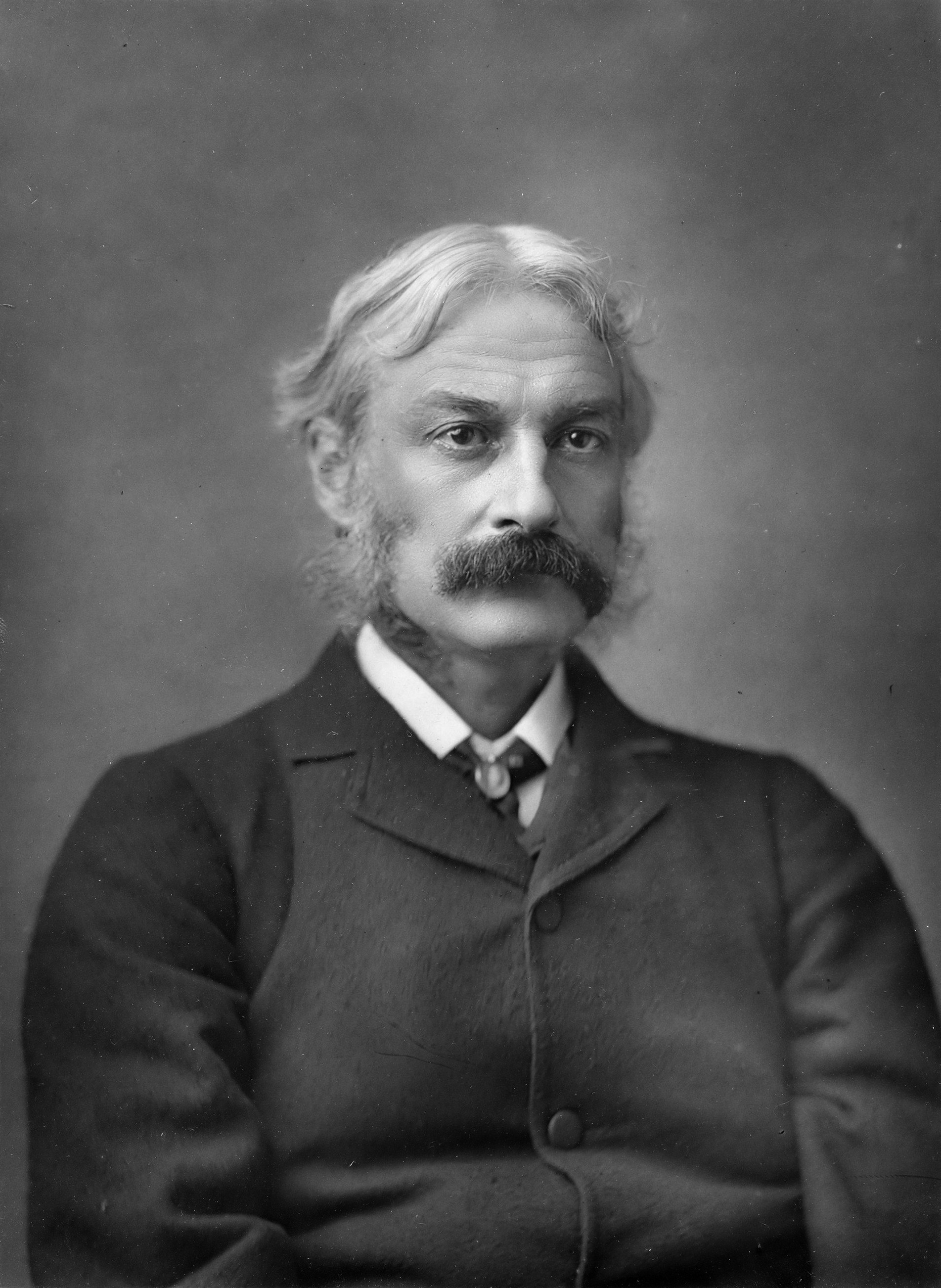



![XXXII Ballades in Blue China [1885]](/_next/image?url=https%3A%2F%2Fd3b2n8gj62qnwr.cloudfront.net%2FCOVERS%2Fgutenberg_covers75k%2Febook-51160.png&w=3840&q=75)