Cosmos: A Sketch of a Physical Description of The Universe: Introduction
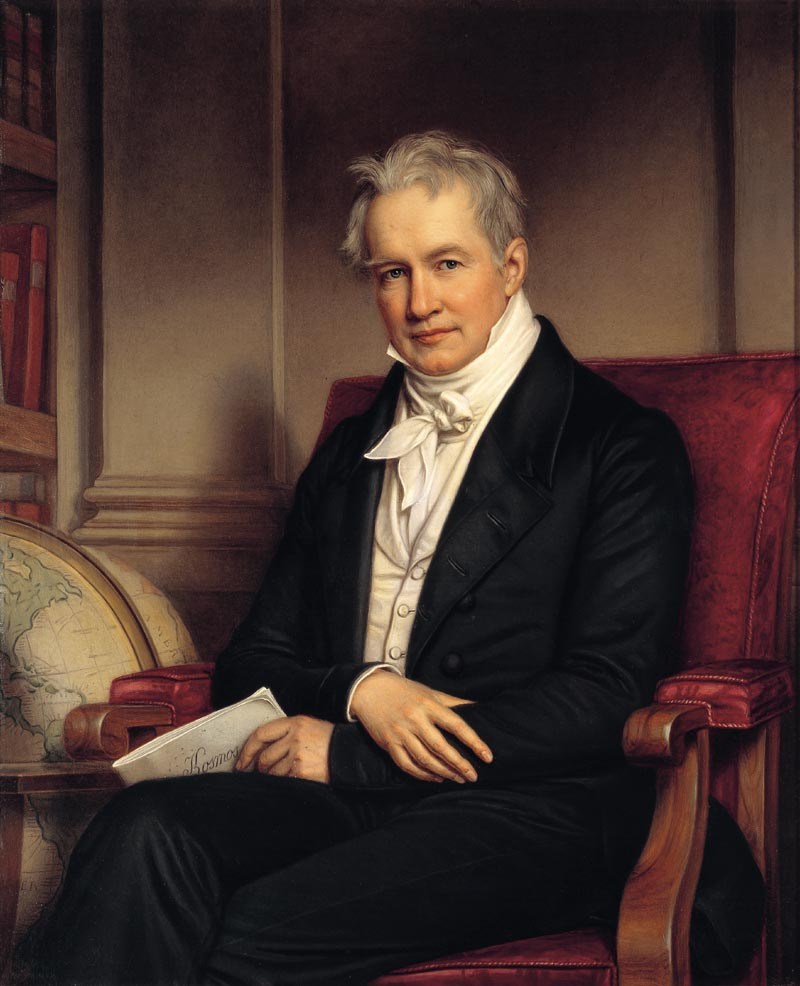
Before science fractured into specialties, one man held the whole of nature in his mind. Alexander von Humboldt's "Cosmos" (1845-1862) stands as the final flowering of Renaissance polymathy, a sweeping attempt to describe the entire physical universe in a single work. The Introduction serves as both manifesto and wonder: Humboldt argues that nature is a web of interconnected forces, that beauty and science belong together, and that the observer must feel the grandeur they contemplate. He wanders from star systems to hummingbirds, from ocean currents to human perception, weaving observation into philosophy with lyrical precision. What emerges is a vision of unity that feels almost heretical in an age of narrow expertise. This is science as poetry, curiosity as calling. The Introduction remains a portal into a world where knowing everything was still possible, and where the act of description itself became a form of reverence. For readers weary of fragmented disciplines, Humboldt offers the profound satisfaction of seeing the whole.
Editions

Link to this book
Add a free, dofollow link to Lex on your blog, forum, syllabus, or reading list.

<a href="https://lex-books.com/book/cosmos-a-sketch-of-a-physical-description-of-the-universe-introduction-381216e3-d7f8-4a64-8a21-69707962c14a"><img src="https://lex-books.com/badges/read-on-lex.svg" alt="Read Cosmos: A Sketch of a Physical Description of The Universe: Introduction by Alexander von Humboldt free on Lex" width="160" height="40"></a>[](https://lex-books.com/book/cosmos-a-sketch-of-a-physical-description-of-the-universe-introduction-381216e3-d7f8-4a64-8a21-69707962c14a)[url=https://lex-books.com/book/cosmos-a-sketch-of-a-physical-description-of-the-universe-introduction-381216e3-d7f8-4a64-8a21-69707962c14a][img]https://lex-books.com/badges/read-on-lex.svg[/img][/url]Read Cosmos: A Sketch of a Physical Description of The Universe: Introduction by Alexander von Humboldt free on Lex: https://lex-books.com/book/cosmos-a-sketch-of-a-physical-description-of-the-universe-introduction-381216e3-d7f8-4a64-8a21-69707962c14aCite this book
Reading this edition for a paper or guide? Copy a citation.
Humboldt, Alexander von. Cosmos: A Sketch of a Physical Description of The Universe: Introduction. Lex, lex-books.com/book/cosmos-a-sketch-of-a-physical-description-of-the-universe-introduction-381216e3-d7f8-4a64-8a21-69707962c14a.Humboldt, A. V. (n.d.). Cosmos: A Sketch of a Physical Description of The Universe: Introduction. Lex. https://lex-books.com/book/cosmos-a-sketch-of-a-physical-description-of-the-universe-introduction-381216e3-d7f8-4a64-8a21-69707962c14aHumboldt, Alexander von. Cosmos: A Sketch of a Physical Description of The Universe: Introduction. Lex. https://lex-books.com/book/cosmos-a-sketch-of-a-physical-description-of-the-universe-introduction-381216e3-d7f8-4a64-8a21-69707962c14a.