Cookery and Dining in Imperial Rome
1935
Cookery and Dining in Imperial Rome
1935
Translated by Joseph Dommers Vehling
The oldest cookbook in existence is also the most ancient time machine we have. Attributed to Apicius and compiled from sources dating to the 1st century CE, this remarkable text survives not as fragments or scholarly reconstructions but as actual recipes: instructions for fig-fed pork, salt fish balls simmered in wine sauce, pumpkin Alexander style, nut custard turnovers, and a rose pie that required grinding petals into the filling. These aren't approximations or culinary archaeology fantasies. They are precise directions for dishes that real Romans ate while the Colosseum was still new. What makes this book extraordinary isn't just the recipes themselves but what they reveal about a civilization that considered dinner the highest art form. Roman dining was theater, medicine, politics, and pleasure intertwined. The ingredients can be strange to modern palates (flamingo tongues, dormice, fermented fish sauce), but the impulse to experiment, to combine sweet with savory, to stuff something inside something else, feels startlingly familiar. Joseph D. Vehling's 1935 translation restored these recipes to English for the first time in generations, accompanying them with historical context that makes the ancient kitchen come alive.
Editions
X-Ray
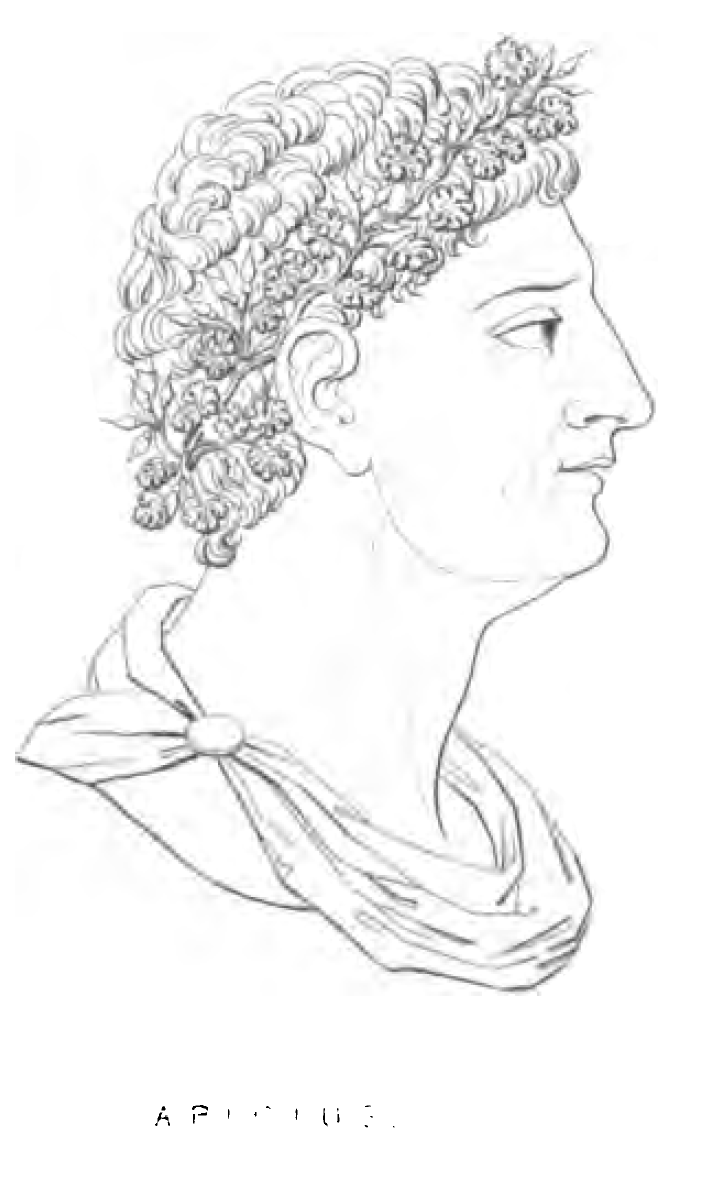
The legendary Roman gourmet and gastronomer who lived during the reigns of Augustus and Tiberius (80 BC - 40 AD). Known for his extravagant spending on food and his culinary innovations.
The translator and editor of this English edition of Apicius. A professional cook and scholar who combined practical culinary experience with classical education.
Former Professor of Anthropology at the University of Chicago who wrote the introduction. Praised Vehling's unique qualifications for the translation work.
Roman emperor notorious for gluttony, after whom several dishes in the cookbook are named. Represents the excess associated with Imperial Roman dining.
About Cookery and Dining in Imperial Rome
Chapter Summaries
- Introduction
- Starr introduces Vehling's unique qualifications as both a classical scholar and professional cook, explaining why no previous English translation existed and praising this work's significance.
- Preface
- Vehling explains his methodology, sources, and the challenges of translating this ancient cookbook, emphasizing its importance for understanding Roman private life.
- Book I
- Contains recipes for spiced wines, preservation methods, and basic sauces. Includes the famous conditum paradoxum (spiced wine) and various techniques for keeping foods fresh.
Key Themes
- Cultural Preservation
- The book represents an effort to preserve ancient Roman culinary culture through careful translation and interpretation of historical recipes and cooking methods.
- Gastronomic Evolution
- Explores how cooking techniques and food preferences have evolved from ancient Rome to modern times, showing both continuity and change in culinary traditions.
- Social Class and Food
- Reveals how elaborate cuisine was a marker of wealth and status in Roman society, with complex dishes requiring expensive ingredients and skilled labor.
Characters
- Apicius (Marcus Gabius Apicius)(protagonist)
- The legendary Roman gourmet and gastronomer who lived during the reigns of Augustus and Tiberius (80 BC - 40 AD). Known for his extravagant spending on food and his culinary innovations.
- Joseph Dommers Vehling(major)
- The translator and editor of this English edition of Apicius. A professional cook and scholar who combined practical culinary experience with classical education.
- Frederick Starr(major)
- Former Professor of Anthropology at the University of Chicago who wrote the introduction. Praised Vehling's unique qualifications for the translation work.
- Vitellius(minor)
- Roman emperor notorious for gluttony, after whom several dishes in the cookbook are named. Represents the excess associated with Imperial Roman dining.
- Vinidarius(minor)
- A 5th-century compiler who created excerpts from Apicius, providing additional recipes that supplement the main text.
Link to this book
Add a free, dofollow link to Lex on your blog, forum, syllabus, or reading list.

<a href="https://lex-books.com/book/cookery-and-dining-in-imperial-rome-87a9c1b7-93d9-44f4-8dd4-c3093dfdc19e"><img src="https://lex-books.com/badges/read-on-lex.svg" alt="Read Cookery and Dining in Imperial Rome by Apicius free on Lex" width="160" height="40"></a>[](https://lex-books.com/book/cookery-and-dining-in-imperial-rome-87a9c1b7-93d9-44f4-8dd4-c3093dfdc19e)[url=https://lex-books.com/book/cookery-and-dining-in-imperial-rome-87a9c1b7-93d9-44f4-8dd4-c3093dfdc19e][img]https://lex-books.com/badges/read-on-lex.svg[/img][/url]Read Cookery and Dining in Imperial Rome by Apicius free on Lex: https://lex-books.com/book/cookery-and-dining-in-imperial-rome-87a9c1b7-93d9-44f4-8dd4-c3093dfdc19eCite this book
Reading this edition for a paper or guide? Copy a citation.
Apicius. Cookery and Dining in Imperial Rome. Lex, lex-books.com/book/cookery-and-dining-in-imperial-rome-87a9c1b7-93d9-44f4-8dd4-c3093dfdc19e.Apicius (1935). Cookery and Dining in Imperial Rome. Lex. https://lex-books.com/book/cookery-and-dining-in-imperial-rome-87a9c1b7-93d9-44f4-8dd4-c3093dfdc19eApicius. Cookery and Dining in Imperial Rome. Lex. https://lex-books.com/book/cookery-and-dining-in-imperial-rome-87a9c1b7-93d9-44f4-8dd4-c3093dfdc19e.